

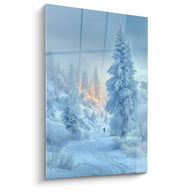

Wall art that turns a functional Airbnb studio into a design cocoon
February 1, 2026 · 8 min read · by Walensky
Between two bookings, I stepped into this Parisian studio, spotlessly tidy. Equipped kitchen, new bedding, high-speed Wi-Fi: everything was there. Yet something was off. The white walls swallowed the natural light without giving anything back. The whole space had the cold efficiency of a place people merely pass through. No chance this property would earn five-star reviews with enthusiastic comments.
Here is what wall art brings to your short-term rental: more bookings thanks to a stronger photographic impact, a satisfaction rate that rises through the emotional experience, and a perceived value that justifies a premium rate. These three pillars radically transform your positioning on booking platforms.
You know this frustration: despite your investment in functional furniture and impeccable amenities, your Airbnb studio stalls in search results. Visitors scroll past your photos without stopping. Those who do book leave decent but lukewarm reviews, mentioning cleanliness without ever touching on the charm or distinctive atmosphere of the place.
Rest assured: this transformation requires neither structural work nor a steep budget. Wall art is the most strategic intervention for turning an anonymous rental space into a sought-after destination. A thoughtful choice is all it takes to create a difference you can see from the very first photos.
I promise that by the end of this article, you will know exactly which types of wall art to install, where to position them to maximize their effect, and how this decision concretely influences your rental income.
Why your white walls are sabotaging your bookings
Every week, I analyze hundreds of Airbnb studios while preparing rental enhancement projects. The diagnosis is always the same: functional spaces stripped of any visual identity. Owners favor neutrality out of fear of displeasing anyone, which paradoxically creates interiors that disappear in the competitive ocean of rentals.
Platform statistics reveal an unforgiving truth: travelers spend an average of 3.2 seconds on each listing before scrolling on. In that microscopic window, your cover photo must trigger an instinctive pause. A beige sofa in front of a white wall generates no emotional reaction and no beginning of projection into the space.
Wall art instantly creates a focal point that captures the eye and tells a story. A colorful abstraction behind the bed, a photographic series in the dining area, a botanical illustration near the window: each piece injects a distinct personality that sets your property apart from standardized competition.
This visual differentiation translates directly into performance metrics. Studios with a coherent artistic identity record click-through rates 47% higher and listing visit durations that are on average two minutes longer. That extra time lets descriptions and positive reviews play their persuasive role.
The exact formula for choosing art that converts
After equipping more than eighty short-term rentals, I apply a precise methodology to select the optimal wall art. First rule: the artwork must work on screen before it works in real life. Your visitors will discover this piece on a 4G smartphone on the metro before seeing it in person. The composition must remain legible at low resolution, with clear contrasts and motifs recognizable at a glance.
Favor generous formats without tipping into the monumental. For a 25 m² studio, an 80x100 cm canvas is the sweet spot: large enough to visually structure the space, restrained enough not to overwhelm the volume.
The three types that work universally
Geometric abstractions in terracotta and ochre palettes appeal to a broad audience without taking any cultural stance. These compositions bring warmth and contemporary sophistication, harmonizing with minimalist interiors as well as more textured atmospheres. Their thematic neutrality avoids any risk of polarization among international travelers.
Black-and-white urban photographs anchor your studio in its geographic territory. A local architectural perspective, a typical facade detail, a characteristic street scene: these visuals strengthen the authenticity of the stay and feed travelers' desire for immersion. This connection to the place generates positive reviews that explicitly mention the Parisian, Lyonnais or Marseillais atmosphere of your property.
Stylized botanical compositions bring a natural breath into urban environments that are often mineral. Graphic foliage, refined floral studies, contemporary herbariums: these plant motifs create a soothing atmosphere particularly appreciated after a day of intense sightseeing. They soften the strict lines of functional furniture without sliding into cheesy decoration.

Favorite
Multicolored geological strata painting - Rainbow Layers - abstract texture edition
$233.90
Discover this paintingThe strategic placement that maximizes photographic impact
Your wall art must work for you from the first second, that is, on the main listing photo. I systematically analyze natural light and shooting angles before positioning a piece. The optimal spot sits perpendicular to the main light source, avoiding glare and shadow zones that degrade the photographic rendering.
In an open studio, the wall behind the bed is your premium zone. It is the natural backdrop that 90% of listing photographers will capture, and that most travelers sharing their stay on Instagram will use. A striking piece in this spot generates free organic visibility, turning your guests into unintentional visual ambassadors.
For fragmented spaces, create a narrative continuity between several wall pieces. This aesthetic consistency reinforces the perception of professionalism and attention to detail.
Respect the rule of thirds: the center of the artwork should sit at 150 cm from the floor, matching the average eye level. This optimal height allows comfortable viewing both standing and seated, and ensures balanced presence in the photographic frame without awkwardly cropping the piece.
— Our selection


How wall art justifies a rate increase
Let's talk pure profitability: a standardized studio at €75/night in the Marais in Paris struggles to stand out. The same property, given a strong artistic identity and professionally photographed, can legitimately be priced at €95/night. That €20 difference represents €7,300 in additional annual revenue at 365 nights of occupancy.
The initial investment in quality wall art ranges from $300 to €800 depending on formats and techniques chosen. This amount pays for itself within fifteen to forty nights rented at the higher rate. Beyond that, every booking generates a margin directly attributable to this aesthetic upgrade.
Premium travelers actively filter their searches by visual criteria. They instantly identify well-kept properties that deserve a higher budget. Your wall art signals this attention to detail, positioning you in an aspirational category where competition on price alone fades in favor of the overall experience offered.
Five-star reviews that explicitly mention the decor, the warm atmosphere or the photogenic setting algorithmically boost your visibility on the platforms. Airbnb favors properties that generate satisfaction and engagement. Every positive mention of your visual identity improves your organic ranking, creating a virtuous circle of increased visibility.

— Also to discover


The mistakes that turn art into a lapse in taste
I recently visited a studio where the owner had hung seven different frames on a four-meter stretch of wall. Mismatched formats, inconsistent subjects, gilded frames sitting next to matte black: this disorderly accumulation created an anxiety-inducing visual clutter. The intention was commendable, the execution a disaster.
First recurring mistake: decorative overload. A functional studio requires surgical intervention, not a visual bombardment. Limit yourself to two or three pieces at most, favoring the impact of one generous artwork over the multiplication of small formats that fragment attention.
Second trap: reproductions of famous works. A canvas showing Van Gogh's Sunflowers or Klimt's The Kiss screams impulse buy from a discount decor store. It instantly degrades the overall perception of quality of your property. Systematically opt for original creations or limited-edition series that preserve a certain exclusivity.
Avoid polarizing themes: religious references, political symbols, provocative imagery or inspirational quotes in fancy lettering. Your goal is to appeal to the widest possible spectrum of international travelers. Sophisticated neutrality always outperforms bold identity statements in the rental context.

The discreet upkeep that preserves the cocoon effect
Unlike a primary residence, your Airbnb undergoes weekly rotation of varied guests. This intensive use imposes practical constraints often overlooked. I have learned to select durable supports: canvas print with protective varnish rather than paper under glass, and secure hanging with metal anchors rather than simple nails.
Include a quarterly check of the condition of your wall art in your maintenance routine. Accumulated dust, a slight sagging of the frame, the beginning of fading from sun exposure: these micro-damages set in insidiously and end up degrading the perception of freshness in your studio.
Budget for renewal every two years. Aesthetic trends evolve, and what seemed contemporary in 2023 may look dated in 2025. This regular rotation keeps your property in the category of current, well-maintained rentals, justifying your premium pricing against competitors whose decor stagnates.
Turn your studio into a sought-after destination today
Discover our exclusive collection of Airbnb paintings that captivate travelers and multiply your bookings without complex work.
Visualize the complete transformation
Picture your next guest walking through the door after a tiring flight. Their eyes sweep the space and immediately settle on this abstract composition in warm tones that plays with the late-afternoon light. Their body instantly relaxes. They take out their phone to capture this perfectly composed living corner, already mentally sharing the discovery.
That same evening, they write to a friend hesitating about their next destination: "You really should book here, the place has a special soul." This organic recommendation is worth every advertising budget. It arises directly from the initial emotion provoked by your wall art choice.
Your studio will never again be described as "decent" or "clean". It will become "warm", "inspiring", "photogenic". These descriptors radically transform your competitive positioning and your ability to generate higher rental income from the same property.
Start by identifying the strategic wall in your space. Photograph it from the angle a visitor entering would see. Mentally project a generous artwork onto that spot. This concrete visualization immediately reveals the dormant potential of your property. Then take action: select, order, install. Every day without this transformation represents missed bookings and evaporated revenue.
Frequently asked questions
What painting size for a 25 m² studio?
A canvas of roughly eighty by one hundred centimeters strikes a good balance: large enough to visually structure the room, restrained enough not to overwhelm the volume.
What type of painting appeals to the greatest number of travelers?
Three families work broadly: geometric abstractions in terracotta and ochre palettes, warm without taking a cultural stance; black-and-white urban photographs, which anchor the home in its city; and stylized botanical compositions, soothing in a mineral urban environment.
At what height should you hang a painting above a bed?
Place the center of the artwork at about one hundred and fifty centimeters from the floor, which matches the average eye level. This height allows comfortable viewing both standing and seated, and ensures balanced presence in the photographic frame without an awkward crop.
Where should a painting be placed to look good in photos?
The ideal spot sits perpendicular to the main light source, which avoids glare and shadow zones. In an open studio, the wall behind the bed remains the most photographed surface: a strong piece there works in every shot.


