

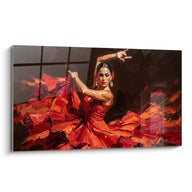


Painting Ballroom Dance
The Ballroom Dance Painting captures the timeless elegance and passion of the ballroom. This collection celebrates the art of choreography through refined works depicting waltzes, tangos and foxtrots. Each creation showcases the grace of ballroom dancers in their harmonious movements. Perfect for lovers of elegant dance wall art, this collection brings sophistication and romance to your interior. Transform your walls into an artistic celebration of movement and beauty.
 Elegant Couple in Blue and Gold Dress Wall Art - Passionate Embrace - Ballroom Dance Edition$249.90
 Elderly Couple in Pink and Gold Mosaic on Balcony Wall Art - White Hair in the Wind - Ballroom Dance Edition$249.90
 Teal and White Couple Wall Art on Textured Shard Background - White Flower in Hair - Ballroom Dance Edition$199.90
 Couple Waltzing Wall Art in White Dress and Golden Wheatfield - Waltz of the Wheat - Ballroom Dance Edition$249.90
 Couple Wall Art in Teal Blue and Textured White - Suspended Embrace - Ballroom Dance Edition$249.90
 Dancers in Red and Anthracite in Tango Wall Art - Vertigo of the Tango - Ballroom Dance Edition$249.90
 Couple Dancing Under a Red Streetlamp Wall Art - Waltz in the Snow - Ballroom Dance Edition$249.90
 Dancers in a Coral Dress and Anthracite Suit Wall Art - Waltz in the Rain - Ballroom Dance Edition$249.90
 Elegant couple in red dress and black tuxedo Wall Art - Nocturnal Intoxication - Ballroom Dance Edition$249.90
 Couple in gold and teal reverse dip Wall Art - Suspended breath - Ballroom Dance Edition$249.90
 Couple in blue and black before large windows Wall Art - Distant urban silhouette - Ballroom Dance Edition$249.90
 Couple in the Snow Midnight Blue and Ivory Wall Art - Snowy Waltz - Ballroom Dance Edition$249.90
 Black and Ivory Couple in a Whirl Wall Art - Captivating Waltz - Ballroom Dance Edition$249.90
 Elegant Couple Waltzing in Burgundy and Gold Wall Art - Waltz Under the Lights - Ballroom Dance Edition$249.90
 Dancing Couple Blue Dress Golden Beach Wall Art - Waves and Spray - Ballroom Dance Edition$249.90
 Ivory and Grey Couple on Stone Bridge Wall Art - Reflection in the Pond - Ballroom Dance Edition$249.90
 Dance Steps White and Blue Skirt Wall Art - Evening Waltz - Ballroom Dance Edition$249.90
 Couple on a Golden Balcony at Sunset Wall Art - Eternal Waltz - Ballroom Dance Edition$249.90
 Tango Couple in Red and Blue Dress Wall Art - Blazing Waltz - Ballroom Dance Edition$249.90
 Couple on a Rooftop at Sunset Wall Art - Embrace at Dusk - Ballroom Dance Edition$249.90
 Ochre and black Couple Wall Art in whirlwind - Loving whirl - Ballroom Dancing Edition$249.90
 Tango Couple Wall Art in red and black dress - Passionate momentum - Ballroom Dancing Edition$249.90
 Couple dancing in ochre and blue marquetry Wall Art - Suspended twirl - Ballroom Dancing Edition$249.90
 Red and grey couple tango Wall Art - Waltz of lovers - Ballroom Dance Edition$249.90
In the same family
Also explore the theme Music
-
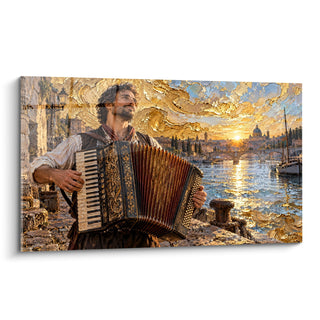 Accordion26
artworks
-
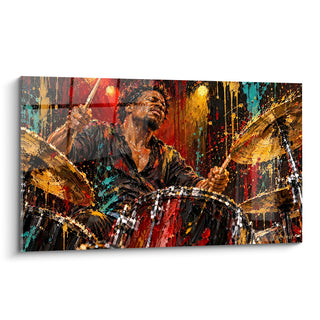 Battery40
artworks
-
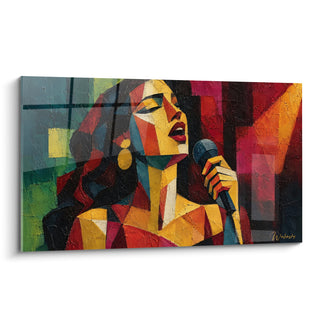 Song33
artworks
-
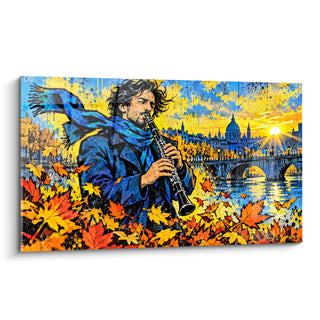 Clarinet3
artworks
-
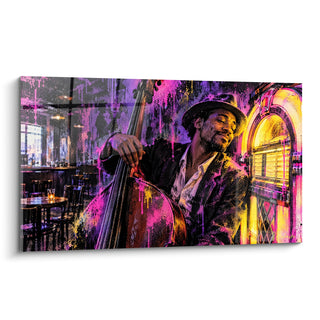 Double bass28
artworks
-
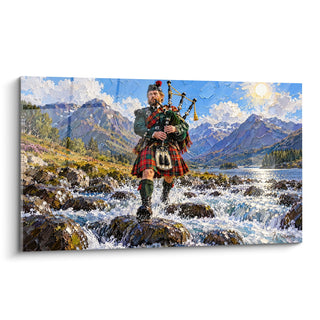 Bagpipes13
artworks
-
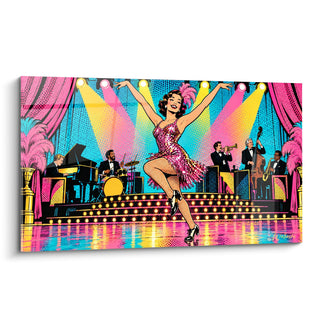 Disco51
artworks
-
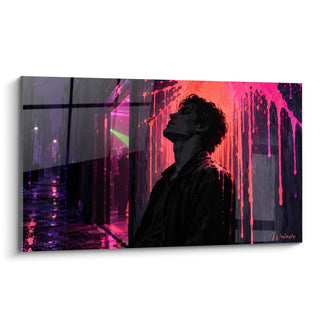 Nightclub26
artworks
-
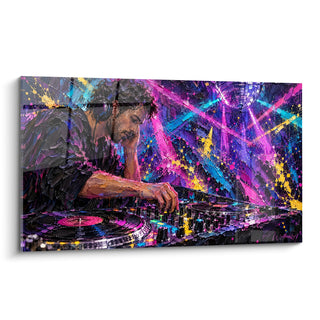 DJ66
artworks
-
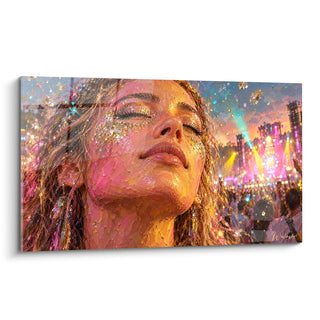 Electro27
artworks
-
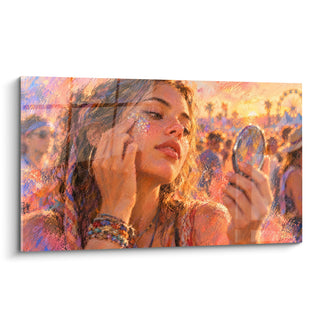 Music Festival11
artworks
-
 Flute14
artworks
-
 Panpipes20
artworks
-
 Funk13
artworks
-
 Guitar108
artworks
-
 Handpan20
artworks
-
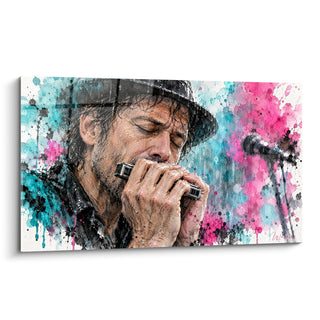 Harmonica3
artworks
-
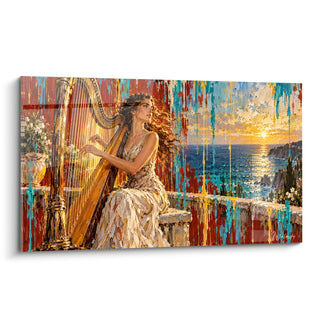 Harp18
artworks
-
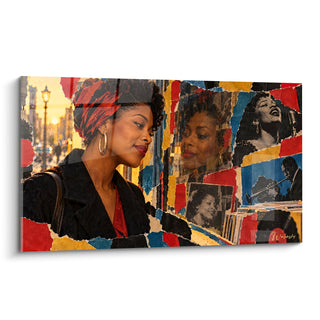 Old School Hip Hop40
artworks
-
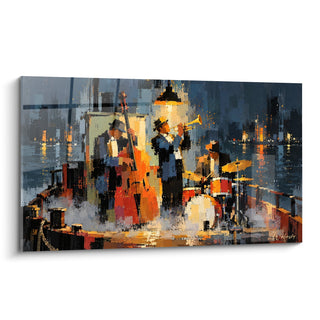 Jazz8
artworks
-
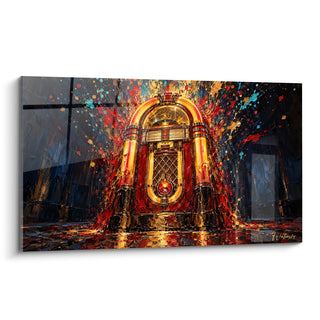 Jukebox12
artworks
-
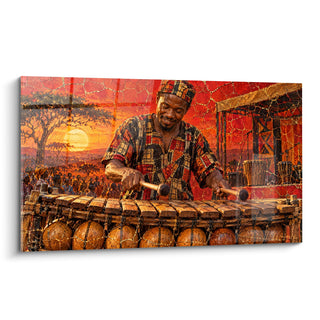 Various Musicians61
artworks
-
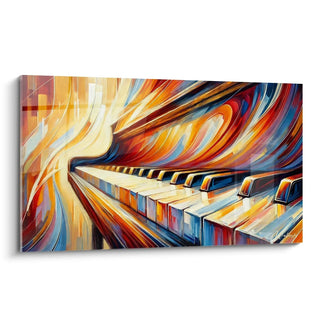 Musical note21
artworks
-
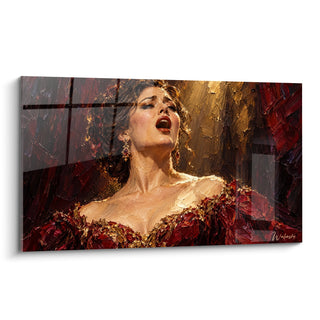 Opera23
artworks
-
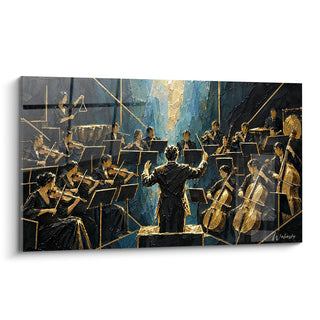 Orchestra6
artworks
-
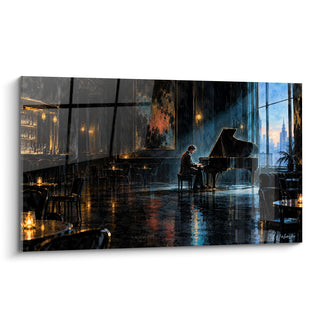 Piano295
artworks
-
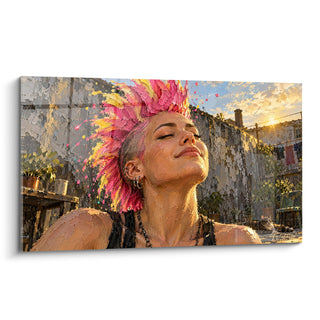 Punk35
artworks
-
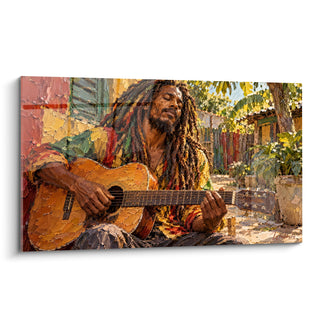 Reggae13
artworks
-
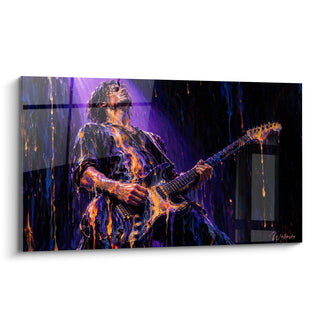 Rock48
artworks
-
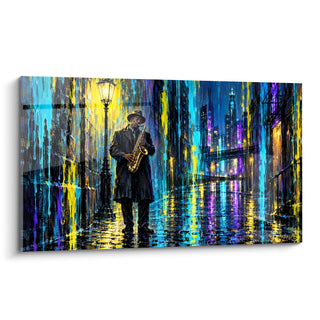 Saxophone64
artworks
-
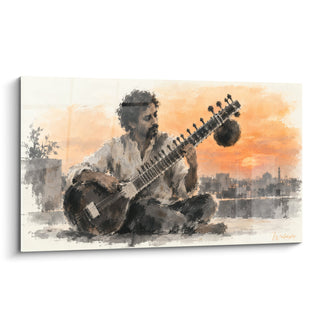 Sitar15
artworks
-
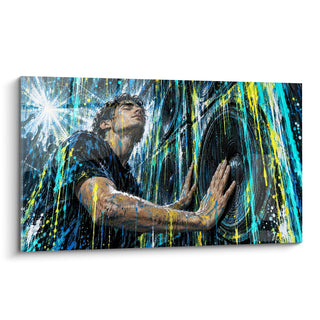 Sound System3
artworks
-
 Music Star66
artworks
-
 Drum9
artworks
-
 Trumpet14
artworks
-
 Tuba4
artworks
-
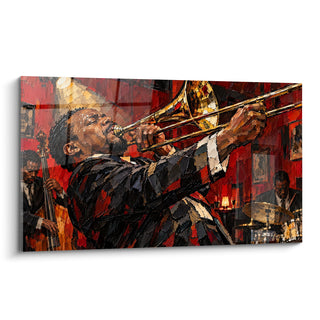 Trombone2
artworks
-
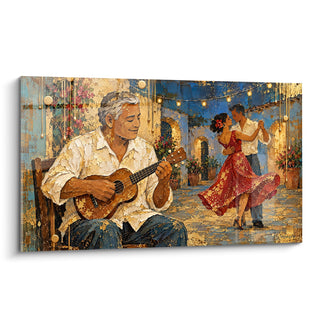 Ukulele41
artworks
-
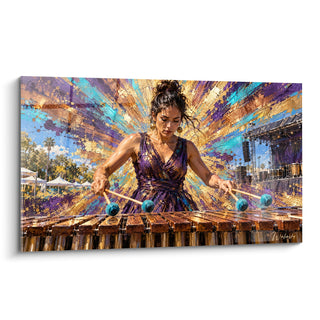 Vibraphone1
artwork
-
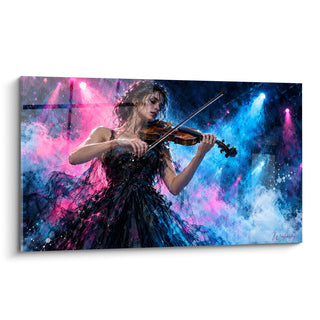 Violin237
artworks
-
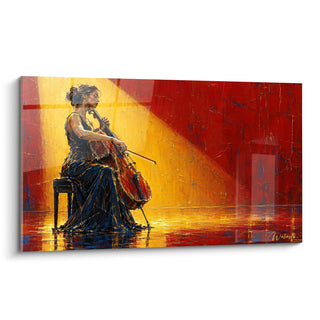 Cello56
artworks
-
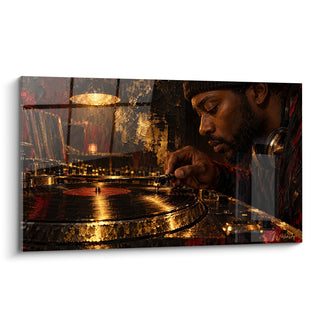 Vinyl43
artworks

All about Painting Ballroom Dance
- Ballroom Dance Painting Overview
- The dizziness of fabric in motion
- Night lights and cobblestones
- The line that replays the past
This collection brings together paintings devoted to ballroom dance, where each canvas captures a suspended instant between two dancers: an outstretched arm, a dress flying, a glance exchanged in the midst of movement. These works do not merely freeze bodies; they convey a shared emotion, that of the complicity born when two people move in unison.
The ballroom dance paintings in this set explore varied worlds: dance halls under dimmed lights, nighttime quays in the rain, snowy streets lit by a street lamp. This diversity of settings and palettes, from sage green to scarlet red, allows everyone to find the canvas that will resonate with the atmosphere of their room.
What unites these works, beyond the subject, is a shared way of telling movement: techniques close to engraving, watercolor, or pencil sketching, which give each scene a living texture and an almost musical rhythm. Hanging a ballroom dance painting means inviting into your home that graceful and nostalgic energy at once.
This collection is for those who love interiors rich in history and emotion, fans of romantic scenes as much as dynamic compositions. Whether you seek the muted ambiance of an old cabaret or a more contemporary glow, these paintings offer a wall presence that tells the story of a gesture, the grace of a couple in motion.
Why do dresses take up so much space in these ballroom dance paintings?
Why does the dress always seem about to take flight?
In these ballroom dance paintings, the dancer's dress is never static: it unfurls in ample folds, swings out, or whirls, sometimes filling the entire lower part of the composition. This choice is not an aesthetic accident but inherits a pictorial tradition in which fabric becomes the true witness of movement, even more than faces or arms. By suspending the fabric at its peak, the artist freezes the instant when the music reaches its climax, just before the return to calm. Hanging such a canvas brings into your home that precise moment of contained energy, a visual breath that enlivens a wall otherwise silent.
What do the colors of the fabrics say in these ballroom scenes?
The gold, coral, burgundy, or ochre that dominate these ballroom dance paintings were not chosen at random: these are shades that historically evoked the luxury of dance halls lit by candles or gas, where shimmering fabrics caught every reflection of light. This warm palette creates a striking contrast with the dancers' dark costumes, heightening the theatricality of the scene. In an interior, this interplay of contrasts immediately draws the eye and warms the space, bringing a touch of discreet splendor without ever tipping into ostentation.
Does moving fabric change how a room is perceived?
These ballroom dance paintings, through the breadth of their painted drapery, introduce a rare visual dynamic into a setting often made of fixed lines and motionless objects. The gaze is drawn into the curve of the fabric, as if it were following the dance step itself. This effect is especially sought after by those who want to bring rhythm to a room without resorting to abstract or geometric forms. The movement suggested by the canvas then becomes a full compositional element, capable of transforming the perception of a corridor, an entrance, or an entire living room.
What urban settings reveal in these ballroom dance paintings
Why do so many scenes take place in rain or snow?
Several ballroom dance paintings in this collection place their dancers not in an enclosed hall but on a wet quay or a snowy street, bathed in the light of a street lamp. This choice of setting reflects a romantic tradition that associates dance with the unexpected, a gesture stolen outside the conventions of an official ballroom. Rain and snow, rendered through streaks or suspended flakes, add an almost cinematic dimension to the scene. For an interior, this type of canvas introduces a nocturnal, melancholic atmosphere, ideal for spaces where one seeks a silent yet inhabited presence.
What do the street lamps and quays in the background symbolize?
The golden street lamp or quay that borders some of these canvases are not mere backdrops: they anchor the scene in a European urban imagery of the last century, when dancing also took place outdoors, at popular balls or spontaneous reunions. The presence of modest architectural elements, far from the splendor of ballrooms, gives these ballroom dance paintings a more intimate and accessible dimension. Hung in an entrance or corridor, this type of work evokes an almost personal memory, like a snapshot stolen from another era.
Does the nocturnal setting change the emotion the scene conveys?
Unlike illuminated ballrooms, the nighttime and outdoor settings of some of these ballroom dance paintings establish a more muted, almost confidential tension. The surrounding darkness concentrates attention on the couple and on the warm light that illuminates them, heightening the intimacy of the gesture. This atmosphere is particularly suited to living spaces where one seeks a discreet yet emotionally charged presence, far from the exuberance of a party scene. The contrast between the dark background and the brightness of the couple creates a natural focal point, without extra compositional effort.
Where does the old-fashioned look of these ballroom dance paintings come from?
Why do some canvases resemble old engravings?
Many ballroom dance paintings in this collection adopt dense hatching and a line close to engraving or print, a technique inherited from press illustrations and posters of the early twentieth century. This graphic choice gives the scene an almost tactile texture, as if the paper or canvas carried the memory of another time. This vintage aesthetic, far from being a mere stylistic effect, places dance within a historical continuity, that of the popular balls immortalized by period illustrators. For an interior, this graphic rendering brings a bold character, different from a smoother classical painting.
How does the technique of watercolor or pencil change the emotion of the scene?
Some ballroom dance paintings favor watercolor runs or a dense, crosshatched pencil line, in the manner of a sketch never fully finished. This deliberate imperfection, far from weakening the composition, heightens the impression of movement and spontaneity, as if the scene had just been captured on the spot. This rawer, more sensitive rendering contrasts with the frozen precision of a photograph and invites a more emotional than analytical reading of the work. In a living room or bedroom, this texture brings a visual warmth conducive to reverie and memory.
Do these old techniques have a different effect depending on the room?
The choice of an old graphic technique in a ballroom dance painting directly influences the mood of a room: a canvas with fine, dark hatching suits a study or library where one seeks a sober, literary presence, while a watercolor with vibrant tones animates a living room or dining room more. This variety of renderings allows the collection to be adapted to very different uses without ever losing the coherence of the central subject. It is this technical diversity, as much as thematic, that distinguishes a collection devoted to ballroom dance from a simple set of portraits of couples.
FAQ on ballroom dance paintings
Why does ballroom dance inspire so many paintings compared to other dances?
Ballroom dance combines close contact, elegant attire, and ample movement, three elements that lend themselves particularly well to painting: the embracing couple's gesture offers a naturally balanced composition, while moving fabric allows play with color and texture. This visual richness explains its recurring presence in pictorial and decorative art.
Is a ballroom dance painting suitable for someone who does not dance themselves?
Yes, these works are not addressed only to dancers: they mainly appeal to those moved by the idea of complicity and elegance they convey. The scene speaks more of a bond between two people than of a technical practice, which makes it accessible to anyone who appreciates depictions of shared emotion and grace in movement.
How to choose between a ballroom scene and a street scene in this collection?
A ballroom scene, with its soft lights and muted setting, suits spaces where one seeks a discreet party atmosphere, such as a living room or dining room. A street or quay scene, more nocturnal and melancholic, is better suited to an entrance or corridor where one wants a more intimate and silent presence.
Further reading
Our articles on this topic
- Classical dance painting: how to decorate an elegant living room with grace
- Pairing Degas and the Modern Living Room: A Guide to Colour Harmonies and Styles
- Which art deco painting to choose for an elegant living room?
- Which Degas-inspired painting to choose for each room of your home
- Do Tango Dancing Couples Paintings Express Passion and Desire?
- Gold haute couture art deco painting for the living room: the guide to pairing
L'art qui suscite l'envie
Maison belge d'art mural grand format
14 jourspour changer d'avis*
Protection Walenskyincluse
Fabriquéen Italie
FormatXXL
Kit de fixationtoujours fourni
* Hors tableaux personnalisés et tailles personnalisées


