



Clarinet Painting
The Clarinet Painting collection brings together canvases where a lone musician blows into his instrument before blazing skies, surrounded by fallen leaves or urban lights. Each clarinet painting captures that suspended breath between the black wood and the silver of the keys, that unique way the instrument carries a melody without ever shouting. A vibrant tribute to street music, designed for lovers of jazz, brass, and night atmospheres charged with emotion.
 Clarinet Wall Art N°2 - Abstract Music Edition$249.90
 Clarinet Wall Art No.1 - Abstract Music Edition$249.90
 Musician Wall Art with Orange and Blue Leaves - Melody in the Wind - Clarinet Edition$249.90
In the same family
Also explore the theme Music
-
 Accordion26
artworks
-
 Battery40
artworks
-
 Song33
artworks
-
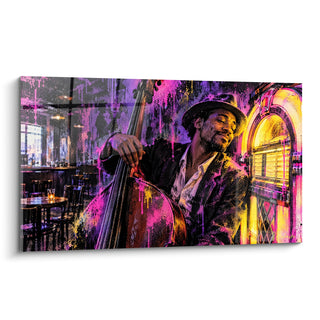 Double bass28
artworks
-
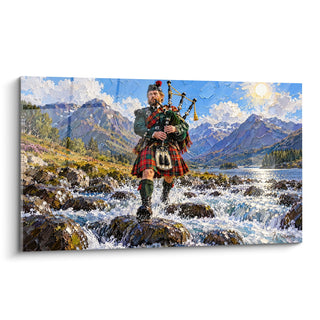 Bagpipes13
artworks
-
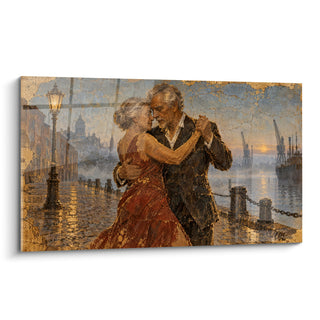 Ballroom dance34
artworks
-
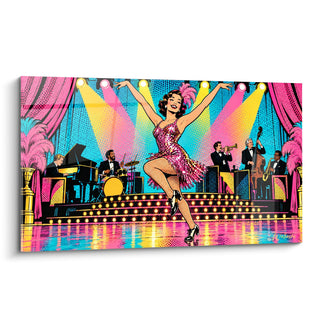 Disco51
artworks
-
 Nightclub26
artworks
-
 DJ66
artworks
-
 Electro27
artworks
-
 Music Festival11
artworks
-
 Flute14
artworks
-
 Panpipes20
artworks
-
 Funk13
artworks
-
 Guitar108
artworks
-
 Handpan20
artworks
-
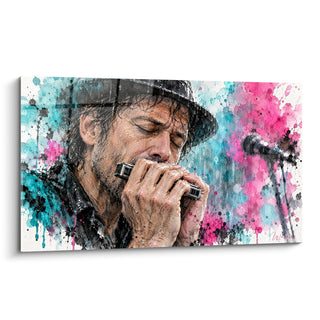 Harmonica3
artworks
-
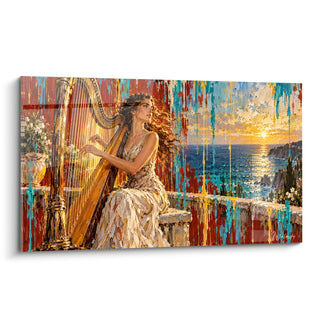 Harp18
artworks
-
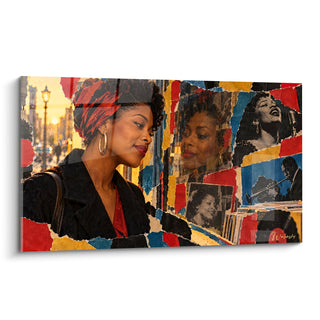 Old School Hip Hop40
artworks
-
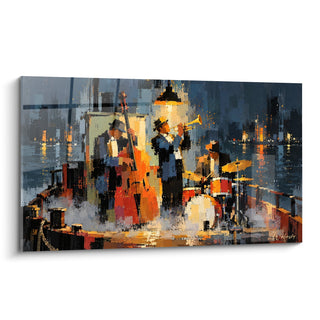 Jazz8
artworks
-
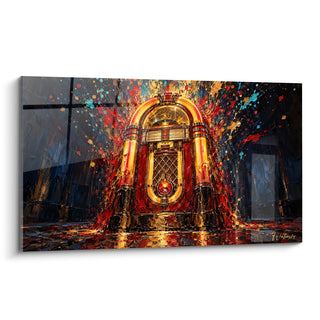 Jukebox12
artworks
-
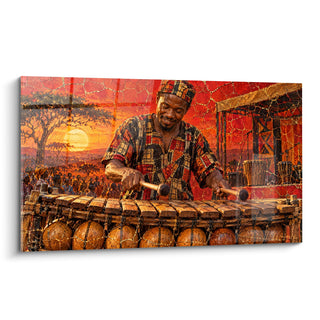 Various Musicians61
artworks
-
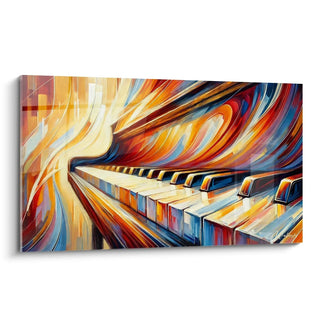 Musical note21
artworks
-
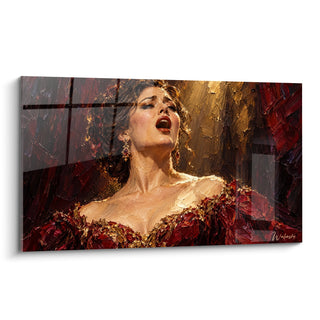 Opera23
artworks
-
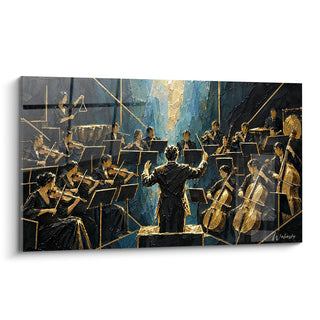 Orchestra6
artworks
-
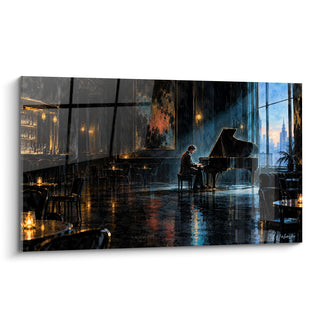 Piano295
artworks
-
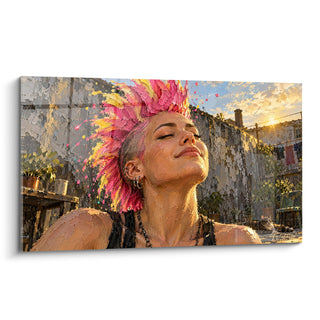 Punk35
artworks
-
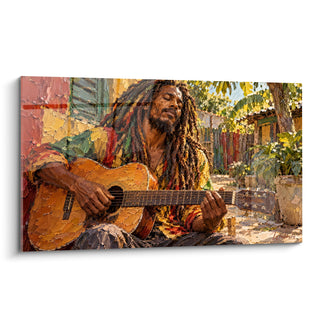 Reggae13
artworks
-
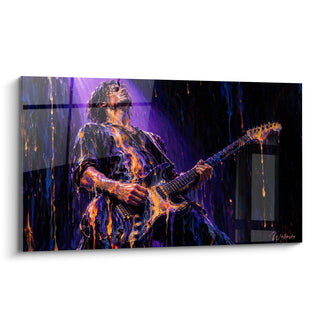 Rock48
artworks
-
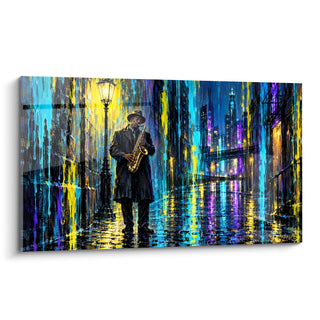 Saxophone64
artworks
-
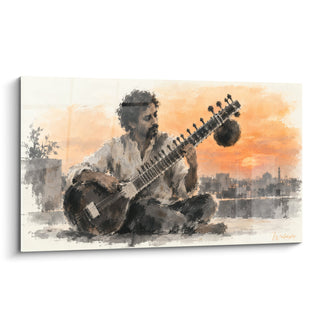 Sitar15
artworks
-
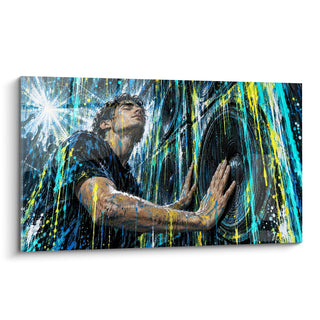 Sound System3
artworks
-
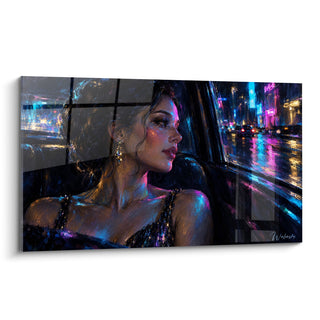 Music Star66
artworks
-
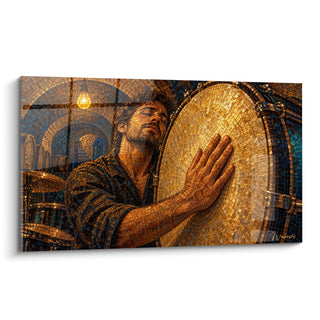 Drum9
artworks
-
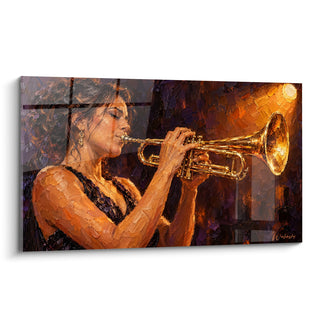 Trumpet14
artworks
-
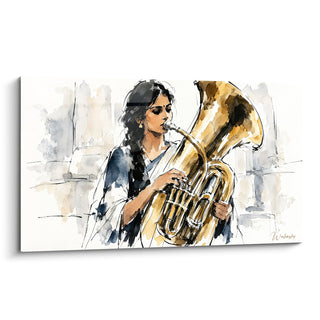 Tuba4
artworks
-
 Trombone2
artworks
-
 Ukulele41
artworks
-
 Vibraphone1
artwork
-
 Violin237
artworks
-
 Cello56
artworks
-
 Vinyl43
artworks

All about Clarinet Painting
- Clarinet Painting Overview
- The black and silver breath
- Late-day light
- The passing musician
The Clarinet Painting collection gathers works devoted to this particular instrument, half wood, half metal, capable of moving from a low murmur to a high cry within a single musical phrase. Here the clarinet is never a mere object placed: it is always in action, held by inhabited hands, surrounded by colors that convey the vibration of the sound rather than its mere appearance.
What unites these paintings is the tension between the instrument's black rigor and the chromatic explosion surrounding it: golden skies, blazing foliage, urban reflections. Each canvas transforms a fleeting musical moment into a lasting composition, where the musician's gesture becomes a pretext for a visual symphony of warm and cool tones.
This collection is for those who keep a vivid memory of a street concert, a jazz tune heard around a bridge, or simply for anyone who likes music to enter the décor without ever passing through sound. It naturally finds its place in a living room, a creative studio, or any space where one wishes emotion to circulate differently than through words.
Beyond the instrument itself, these works tell of a certain idea of the suspended instant, the one where a musician, alone before the world, transforms air into something that lingers. It is this silent intensity that the Clarinet Painting collection seeks to bring into an interior.
What the clarinet's material says about these paintings
Why does black wood dominate the composition so much?
On each clarinet painting, the black, lustrous body of the instrument sharply contrasts with the brilliant backgrounds surrounding it. This choice is not merely aesthetic:ebony or grenadilla, woods traditionally used to make clarinets, offer a density and profound blackness that, in the image, create a visual anchor. Set against a yellow sky or a bluish river, this dark mass immediately captures the eye and structures the whole canvas, reminding us that the instrument remains the gravitational center of the scene, even drowned in color.
Silver keys, a detail that changes everything?
The play of light on the metallic keys, visible in these clarinet paintings, is never incidental: each silvery reflection signals the movement of the fingers, the speed of a musical line. This complex mechanism, inherited from the nineteenth-century refinements that gave the instrument its present agility, becomes here a graphic motif in its own right. Artists insist on these small metallic glints to suggest tempo and the velocity of a solo, without ever needing to represent the sound itself.
How does this material change an interior?
Hanging a clarinet painting brings into your home this contrast between dark rigor and precise shimmer. In a room with neutral tones, this canvas introduces a strong visual accent without ever becoming overwhelming, since the black silhouette of the instrument remains compact and legible even from a distance. It is a choice suited to those who prefer clear-cut strokes over diffuse patterns, and who seek a single focal point rather than a multiplication of details.
The twilight palette running through these clarinet paintings
Why does the setting sun return so often?
Clarinet paintings almost always favor an end-of-day light, golden and low, that sets the background of the composition ablaze. This choice echoes the instrument's historical role in evening brass band concerts and street performances that once punctuated the close of working days, when popular music took over public squares. This raking light, in practice, lengthens the musician's shadows and deepens the relief of his face, heightening the intensity of the instant depicted.
Where does this contrast between burning yellow and deep blue come from?
On these canvases, the saffron yellow of the sky stands head-on against the rich blue of the clothing or water, a colour pairing that is anything but arbitrary. This pair of complementary colours, used since the early days of expressionist painting, creates an optical vibration that the eye perceives as an almost audible tension. Applied to the scene of a musician playing the clarinet, this effect visually conveys the intensity of a held note, that contained energy that precedes or prolongs a sound.
What atmosphere does this bring into your home?
A clarinet painting bathed in this late-day light brings a particular warmth, different from that of a simple decorative sunset, because it always stays tied to a precise human gesture. It suits living spaces where you want an inhabited presence rather than a simple coloured backdrop, a space that tells a story rather than merely illustrating a landscape.
The wandering figure staged in these clarinet paintings
Why does this musician always seem alone and in motion?
Clarinet paintings rarely show a static musician or a formal performance: he is almost always caught outdoors, hair and scarf carried by the wind, as if surprised in a stolen moment. This figure recalls the tradition of the travelling musician, the one who played on bridges, in parks or near train stations, bearing music without a fixed stage. This solitude in motion gives the scene an almost romantic dimension, that of a character you glimpse once and never forget.
What does the presence of architecture in the background symbolise?
A bridge, a dome or an urban silhouette often takes shape behind the musician on these canvases, anchoring the scene in a specific place without ever fully naming it. This architecture set back acts as a silent witness, suggesting that the music belongs as much to the city as to the one playing it. The clarinet painting then becomes the story of an encounter between a fleeting sound and a setting that, for its part, has endured for centuries.
Who does this solitary figure speak to most?
This image of the passing musician particularly appeals to those who cherish fleeting moments and unexpected encounters with art in public space. It speaks to a nostalgic gaze, sensitive to the idea that a melody heard only once can leave a lasting mark on memory, far more than a planned concert in a closed hall.
FAQ on clarinet paintings
Why is the clarinet depicted with so much mechanical detail in these paintings?
Because its key system, more complex than that of many wind instruments, visually conveys the musician's virtuosity. Artists insist on these silver mechanisms to suggest the technical skill of the playing, a nod to an instrument known for being demanding, which requires years of practice before one masters its breath and fingering.
Is this type of painting better suited to a jazz lover than to a classical music enthusiast?
Both worlds meet here, but the street atmosphere, the vivid colours and the free framing evoke the spirit of improvised jazz more than the rigour of a classical orchestra. A fan of bebop or of nocturnal urban scenes will find a more direct echo there than a purist of chamber music.
Why choose a clarinet painting over a work featuring another wind instrument?
The clarinet has a slender, elongated silhouette and a very recognisable black and silver contrast, which visually sets it apart from the golden brass of a saxophone or trumpet. This choice suits someone seeking a more restrained palette, where the intensity comes from gesture and light rather than from gleaming metal.
Further reading
Our articles on this topic
- Clarinet acrylic print: recreate a vintage musician atmosphere at home
- Colorful pop art clarinet painting: the centerpiece of a creative office
- Black and white musician painting for living room: which musical style for which mood?
- Jazz orchestra painting: creating a hushed atmosphere in a professional office
- Golden Flute Painting on Black Background: Art Deco in the Form of a Musical Instrument
- Vibraphone jazz painting: the rare instrument that elevates a modern living room
L'art qui suscite l'envie
Maison belge d'art mural grand format
14 jourspour changer d'avis*
Protection Walenskyincluse
Fabriquéen Italie
FormatXXL
Kit de fixationtoujours fourni
* Hors tableaux personnalisés et tailles personnalisées


