




Painting Double Bass
Here the jazz night clings to the wall. The Double Bass Painting collection gathers scenes where the instrument becomes a confidant, shoulder held tight, strings caressed, in smoky clubs or ember-lit twilights. Violet and golden paint drips run through the silhouettes like a music you would see rather than hear. Each canvas captures that suspended moment when the musician disappears behind his melody, giving your interior a vibrant, nocturnal intensity unlike any other.
 Music Wall Art Burgundy and Orange Double Bass Splashed - Fine Gold Strings - Music Edition$499.90
 Blue and Yellow Music Wall Art with Splattered Double Bass - Golden Spiral Volute - Music Edition$499.90
 Purple and Orange Music Wall Art Bassist and Drummer - Singer on Stage - Music Edition$499.90
 Music Wall Art sage green and terracotta bearded double bassist - Moment of concentration - Music Edition$499.90
 Pink Fuchsia and Yellow Music Bass Checkboard Wall Art - Urban Elegance - Music Edition$499.90
 Music Bassist Pink Yellow Houndstooth Pattern Wall Art - Note of Elegance - Music Edition$559.90
 Music Wall Art sage green and peach contrabass hat - Half-closed eyes - Music Edition$499.90
 Brown and Golden Musician Wall Art on a Quay - Melody of Dusk - Double Bass Edition$499.90
 Girl Wall Art dark dress and pink glittering pointillism - Bun adorned with pearls - Double Bass Edition$499.90
 Hatted Musician Walking in Orange and Blue Light Wall Art - Last Nocturnal Note - Double Bass Edition$499.90
 Musician Playing Facing Raging Waves Wall Art - Challenge of the Elements - Double Bass Edition$499.90
 Laughing Musician in Red and Emerald Tones Wall Art - Nocturnal Burst of Laughter - Double Bass Edition$499.90
 Blue and Orange Musician Wall Art with Leg Stretched Back - Dark Checkered Window - Double Bass Edition$499.90
 Musician Laughing on a Terrace at Sunset Artwork - Laughter Under the Garlands - Double Bass Edition$499.90
 Little Girl in Pink Dress Double Bass Pointillist Wall Art - First Recital - Double Bass Edition$499.90
 Orange Pier Musician Double Bass Wall Art - Dusk Serenade - Double Bass Edition$499.90
 Double Bass Player in the Crowded Subway Colorful Wall Art - Melody in the Crowd - Double Bass Edition$499.90
 Musician Wall Art Golden and Midnight Blue Stained Glass - Fragmented Light - Double Bass Edition$499.90
 Musician Head Thrown Back Blazing Red and Purple Background Wall Art - Ecstatic Raised Face - Double Bass Edition$499.90
 Musician Blue and Red Silhouette on Stage Wall Art - Before the Concert - Double Bass Edition$499.90
 Musician pointillist blue and purple in an empty studio Wall Art - Large luminous window - Double Bass Edition$499.90
 Black and Mahogany Musician Wall Art in Rehearsal - Moment of Focus - Double Bass Edition$499.90
 Black and Gold Musician Wall Art under a Bulb - Night Solo - Double Bass Edition$499.90
 Purple and Gold Musician Wall Art by the Jukebox - Electric Jazz Night - Double Bass Edition$499.90
In the same family
Also explore the theme Music
-
 Accordion26
artworks
-
 Battery40
artworks
-
 Song33
artworks
-
 Clarinet3
artworks
-
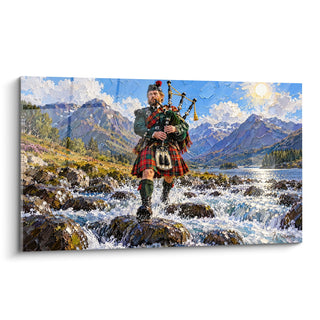 Bagpipes13
artworks
-
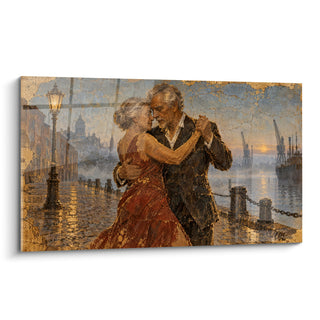 Ballroom dance34
artworks
-
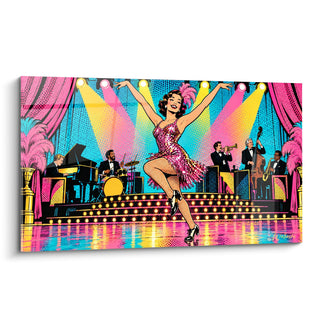 Disco51
artworks
-
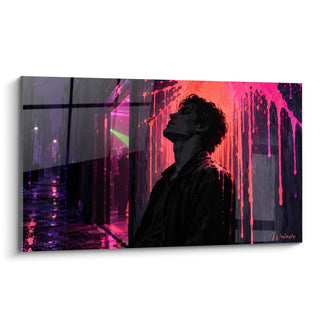 Nightclub26
artworks
-
 DJ66
artworks
-
 Electro27
artworks
-
 Music Festival11
artworks
-
 Flute14
artworks
-
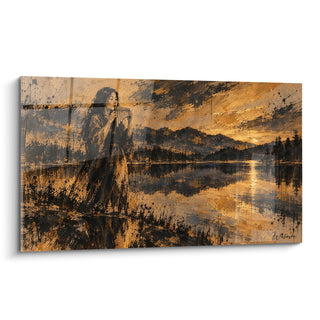 Panpipes20
artworks
-
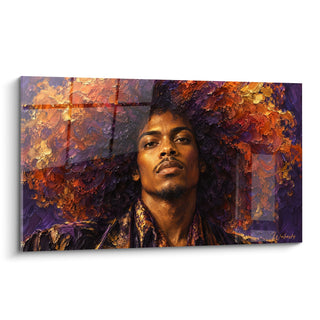 Funk13
artworks
-
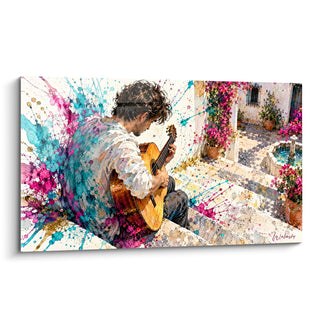 Guitar108
artworks
-
 Handpan20
artworks
-
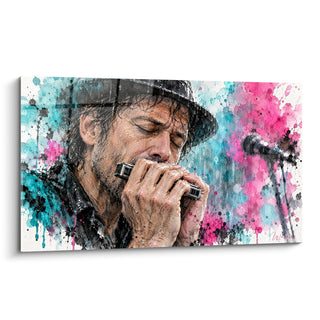 Harmonica3
artworks
-
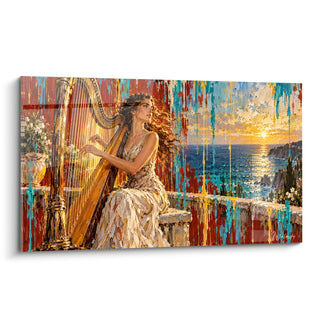 Harp18
artworks
-
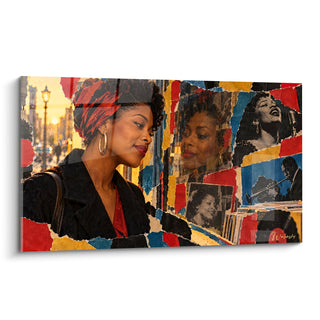 Old School Hip Hop40
artworks
-
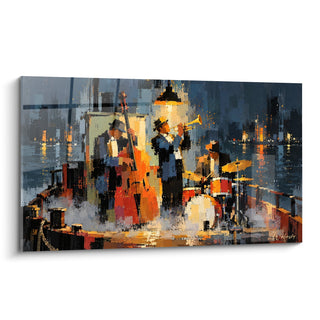 Jazz8
artworks
-
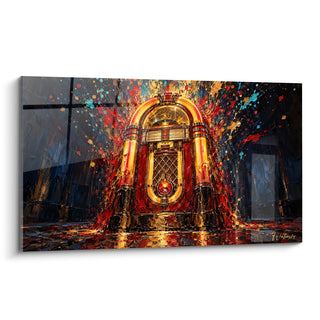 Jukebox12
artworks
-
 Various Musicians61
artworks
-
 Musical note21
artworks
-
 Opera23
artworks
-
 Orchestra6
artworks
-
 Piano295
artworks
-
 Punk35
artworks
-
 Reggae13
artworks
-
 Rock48
artworks
-
 Saxophone64
artworks
-
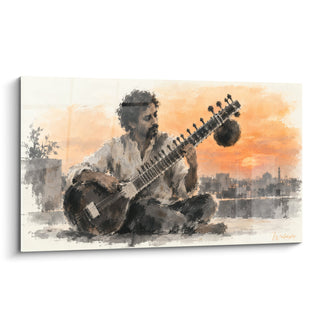 Sitar15
artworks
-
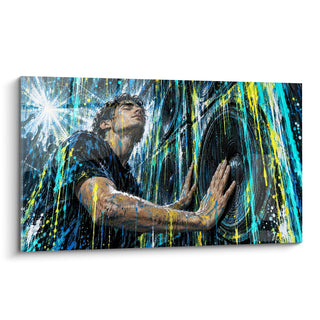 Sound System3
artworks
-
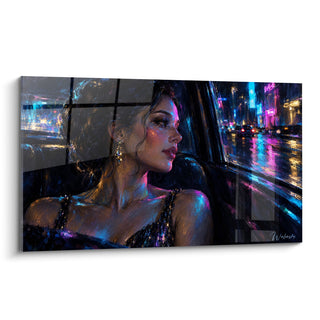 Music Star66
artworks
-
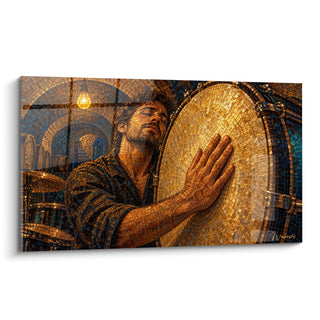 Drum9
artworks
-
 Trumpet14
artworks
-
 Tuba4
artworks
-
 Trombone2
artworks
-
 Ukulele41
artworks
-
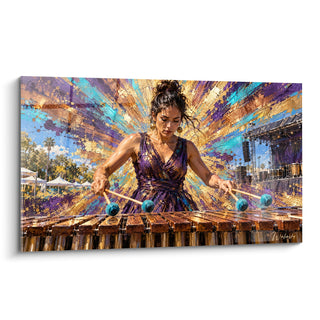 Vibraphone1
artwork
-
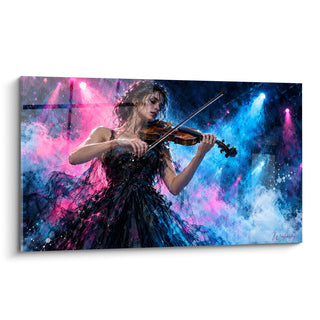 Violin237
artworks
-
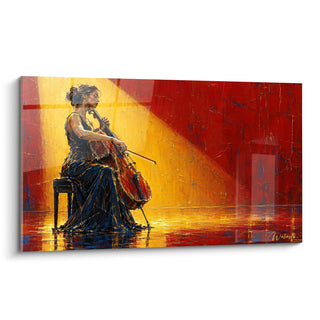 Cello56
artworks
-
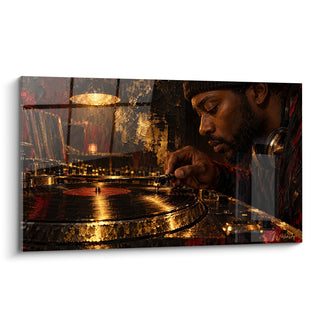 Vinyl43
artworks

All about Painting Double Bass
- Double Bass Painting presentation
- The Body Against the Instrument
- Club Lights and Twilights
- Matter and the Painter's Gesture
The Double Bass Painting collection brings together works in which the instrument is never a mere accessory: it is embraced, carried, held close to the body like a stage partner. Each canvas captures a musician caught up in his own music, eyes closed or face crossed by a frank laugh, in dimly lit club settings or blazing twilights.
What unites these paintings is a shared tension between painterly matter and musical subject: drips, splatters and impasto literally spatter the silhouettes, as if the vibration of the strings extended into the paint itself. The palettes swing between electric violets, warm golds and deep reds, each establishing a different atmosphere that is always inhabited.
This collection speaks to those who want to hang an emotion rather than a backdrop: jazz lovers, nostalgics of smoky clubs, or simply curious people drawn to a painting that moves without ever animating. It suits a living room seeking character, an office wanting depth, or any wall deserving a presence rather than filler.
Beyond its musical subject, the Double Bass Painting offers a rhythmic visual experience, where the deep black of the silhouettes dialogues with almost electric bursts of colour. It is a collection for those who like painting to narrate a moment rather than describe a frozen scene.
What the musician's posture tells in every Double Bass Painting
Why is the double bass always embraced and never simply set down?
On these canvases the instrument is never kept at a distance: it is held tight, shouldered, almost embraced. This physical closeness comes from the very size of the double bass, which forces the musician to wrap his whole body around it to draw out a sound, unlike a violin or guitar that can be played at arm's length. The Double Bass Painting conveys this required union of flesh and wood, where the hand glides over the low strings with an almost tender slowness. Hung at home, this embracing gesture gives the wall a bodily presence, far from more distant musical scenes.
Where does the tilt of the torso found on every canvas come from?
The musician always tilts his head slightly, as if absorbed in an inner vibration rather than turned toward an audience. This posture comes from playing the double bass itself, a low instrument whose resonances are felt as much as heard, requiring the performer to listen almost physically to his own sound. The Double Bass Painting translates this introspection through half-closed eyes or a face turned upward, never frontal. For whoever hangs it, it is the assurance of a work that never looks the viewer straight in the eye, but draws them into its own silence.
Why do these silhouettes seem always in motion despite the stillness of the canvas?
The vertical drips of paint running over jackets and faces create an illusion of continuous vibration, as if the low sound of the instrument materialised into coloured streaks. This painterly technique, close to spontaneous urban gesture, gives a visual rhythm that a fine-brush, static portrait could not provide. The Double Bass Painting thus plays on a paradox: a fixed image that nevertheless seems to resonate. On a wall, this effect continuously captures the gaze, unlike a classical painting that is exhausted after a first glance.
The palette that sets each Double Bass Painting apart from an ordinary jazz scene
Why do violet and gold dominate so many of these compositions?
Electric violet evokes the artificial lighting of jazz clubs, those coloured bulbs that bathe night scenes in an unreal glow, while gold recalls the warm neon of jukeboxes and old lamps. This chromatic opposition gives the Double Bass Painting the look of being lit from within, as if the canvas itself held a light source. In a living room, this combination creates a subdued ambiance without darkening the room, a light that warms rather than saddens.
What does the shift toward orange, twilight tones on some canvases signify?
When the scene leaves the club for a jetty or an outdoor setting, the palette changes radically: electric violets give way to blazing oranges and reds, like a sky igniting at sunset. This choice conveys a different relationship with music, more solitary and contemplative, far from the nocturnal effervescence of bars. The Double Bass Painting thus shows that the instrument carries two distinct imaginaries: one urban and electric, the other almost pastoral. For an interior, this choice of warm tones brings a more soothing touch than a club scene.
Why do some canvases opt for blue and red rather than violet?
Compositions mixing electric blue and deep red move away from the hushed club to evoke a concert stage, with its spotlights and vertical bands of light. This more frank, contrasting palette conveys a different tension, that of the moment just before the music rather than the moment of fully living it. The Double Bass Painting demonstrates here its ability to vary atmospheres without ever losing its identity. Hung in a passageway, this livelier version draws attention with more immediacy than a subdued scene.
The technique that shapes each Double Bass Painting beyond its musical subject
Why does the paint seem to drip down these portraits of musicians?
The vertical drips running across faces and jackets borrow from the gesture of graffiti and projected paint, a technique that lets chance sculpt part of the image. Applied to a subject as controlled as double bass playing, this spontaneity creates a deliberate contrast between the precision of the musical gesture and the overflow of the painterly gesture. The Double Bass Painting draws its strength from this friction between control and letting go. On a wall, this effect gives a work that always seems freshly painted, never frozen in time.
Where does this street-mural quality that dresses some of these canvases come from?
The use of splatters and sprayed paint directly recalls urban art and its walls painted with spray cans, a language born in the street and transposed here onto a jazz subject traditionally associated with the hushed elegance of clubs. This meeting of two worlds, pavement and stage, gives the Double Bass Painting a contemporary energy that refreshes the classic imagery of the musician. For a contemporary interior, this means a work that speaks as much to jazz lovers as to those sensitive to a rawer, more current aesthetic.
Why do some canvases rely on the thickness of knife-applied paint?
When paint is applied in thick, textured layers, it literally sculpts the musician's face, lending the light falling on it an almost sculptural relief. This dense matter contrasts with the fluid drips of the other canvases and establishes a more tactile relationship with the image. The Double Bass Painting thus reveals two possible painterly writings for the same instrument: the fluidity of the projected gesture or the relief of the applied gesture. On a wall, this thickness catches grazing light and changes appearance with the time of day.
FAQ on double bass paintings
Why does the double bass appear so often in jazz imagery rather than another string instrument?
Because its size imposes a unique physical presence: the musician does not play it at a distance, he carries it, embraces it, supports it. This bodily closeness makes it a more expressive pictorial subject than a violin or guitar, offering painters a broad gesture and a silhouette recognisable among all, ideal for inhabited, lively compositions.
Are these paintings suitable for someone who doesn't particularly listen to jazz?
Yes, because the intensity of the colours and the painterly gesture often take precedence over the musical reference itself. These works appeal as much to jazz lovers as to those drawn to expressive painting with bold tones, for whom the musician becomes a pretext for a vibrant composition rather than a precise musical tribute.
What is the difference between a club scene and an outdoor scene in this collection?
Club scenes rely on artificial lights, violet and gold, for a nocturnal and intimate atmosphere. Outdoor scenes, at twilight or beside a river, adopt orange tones that are more soothing. The choice depends on the desired mood: electric and hushed, or contemplative and solitary.
Further reading
Our articles on this topic
- Which jazz painting size should you choose based on wall surface?
- Colorful abstract jazz painting: how to bring a white wall to life?
- Music painting and industrial decor: a guide to the right pairings by room
- Jazz vintage wall decor for an adult bedroom with a moody speakeasy vibe
- Gold saxophone painting on a dark background: the jazzy, elegant touch for an adult bedroom
- How can a drum kit painting be integrated into a room with dark walls?
L'art qui suscite l'envie
Maison belge d'art mural grand format
14 jourspour changer d'avis*
Protection Walenskyincluse
Fabriquéen Italie
FormatXXL
Kit de fixationtoujours fourni
* Hors tableaux personnalisés et tailles personnalisées


