


Accordion Painting
The Accordion Painting collection gathers scenes where music becomes color: festive cobblestone squares, dusk over harbors, Venetian canals and urban alleys, all crossed by the same bellows fully opened in bright light. Each accordion painting captures that suspended moment when the instrument breathes, between pearly keys and golden reflections. A vibrant atmosphere for those who love interiors alive with movement and shared joy.
 Accordion Player Music Wall Art Sepia Loop Leaning on Instrument - Musical Contemplation - Music Collection$249.90
 Accordion Player Music Wall Art Sepia Bronze Brown Curls - Melancholy Breath - Music Edition$249.90
 Fisherman Wall Art in White and Turquoise on Stone Wall - Palm Tree and Fishing Nets - Accordion Edition$249.90
 Fisherman in Yellow Oilskin and Black Boots Wall Art - Harbour Melody - Accordion Edition$249.90
 Dancer Wall Art in Golden and Fuchsia Mosaic - Cabaret Fever - Accordion Edition$249.90
 Cuban Musician in Flowered Dress Wall Art - Dancing in the Alley - Accordion Edition$249.90
 Gondolier Wall Art Burgundy and Blue, Playing Standing - Venetian Serenade - Accordion Edition$249.90
 Musician Wall Art in Gold with Scarlet Roses - Joyful Floral Celebration - Accordion Edition$249.90
 Accordion Musician in Turquoise and Violet with Loose Hair Wall Art - Melodic Flight - Accordion Edition$249.90
 Smiling Musician Wall Art in Red and Ochre Tones - Market Melody - Accordion Edition$249.90
 Musician with Golden Streaks and Dark Dress Wall Art - Evening Melody - Accordion Edition$249.90
 Sailor Wall Art Blue and Purple Cap at the Harbor - Distant Sailing Ships - Accordion Edition$249.90
 Old Man and Urban Silhouette at Sunset - Melody of Dusk - Accordion Edition$249.90
 Accordion Musician in Red and Gold at the Dragon Parade Wall Art - New Year Revelry - Accordion Edition$249.90
 Flamenco Dancer in Ochre Red Dress - Fiery Andalusian Alley - Accordion Edition$249.90
 Smiling Accordionist Wall Art with Red and Gold Hair - Village Festival - Accordion Edition$249.90
 Punk Musicians in Pink and Yellow Wall Art - Urban Musical Duel - Accordion Edition$249.90
 Musician in Red Jacket on Windswept Cliff Wall Art - Challenge Against the Waves - Accordion Edition$249.90
 Elderly Musician Eyes Closed Burgundy Gold Accordion Wall Art - Musical Trance - Accordion Edition$249.90
 Blonde Musician in Pink and Orange Tunnel Wall Art - Glossy Tiled Corridor - Accordion Edition$249.90
 Redhead Musician on Pink and Turquoise Cobblestone Street Wall Art - Rainy Night in the City - Accordion Edition$249.90
 Redhead Musician on Cobbled Square Wall Art - Village Festival - Accordion Edition$249.90
 Musician Wall Art in Turquoise and Pink Dress - Dancing in the Sunshine - Accordion Edition$249.90
 Golden Musician Wall Art by the Italian River - Sunset Serenade - Accordion Edition$249.90
In the same family
Also explore the theme Music
-
 Battery40
artworks
-
 Song33
artworks
-
 Clarinet3
artworks
-
 Double bass28
artworks
-
 Bagpipes13
artworks
-
 Ballroom dance34
artworks
-
 Disco51
artworks
-
 Nightclub26
artworks
-
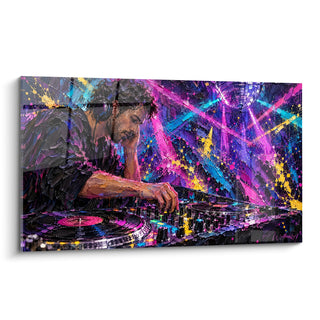 DJ66
artworks
-
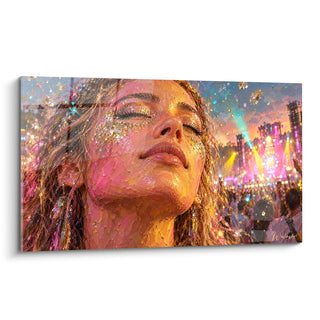 Electro27
artworks
-
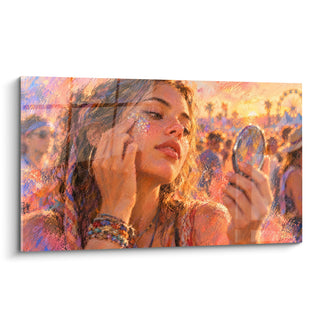 Music Festival11
artworks
-
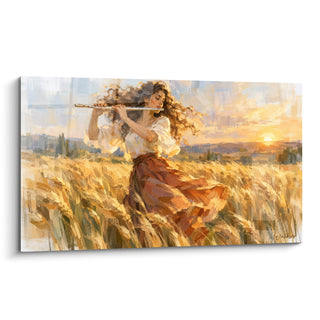 Flute14
artworks
-
 Panpipes20
artworks
-
 Funk13
artworks
-
 Guitar108
artworks
-
 Handpan20
artworks
-
 Harmonica3
artworks
-
 Harp18
artworks
-
 Old School Hip Hop40
artworks
-
 Jazz8
artworks
-
 Jukebox12
artworks
-
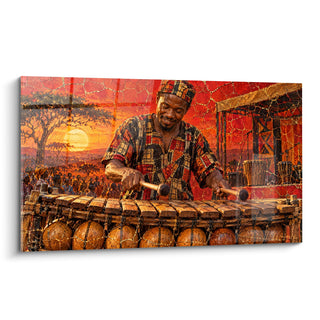 Various Musicians61
artworks
-
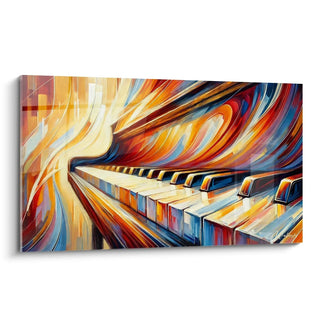 Musical note21
artworks
-
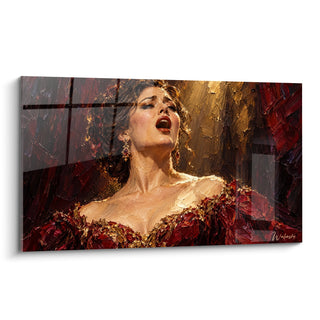 Opera23
artworks
-
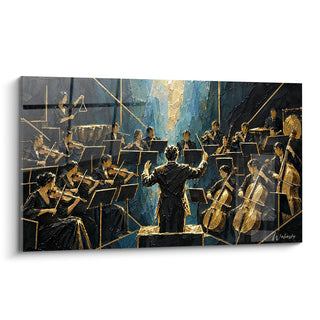 Orchestra6
artworks
-
 Piano295
artworks
-
 Punk35
artworks
-
 Reggae13
artworks
-
 Rock48
artworks
-
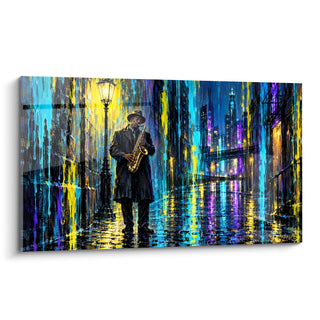 Saxophone64
artworks
-
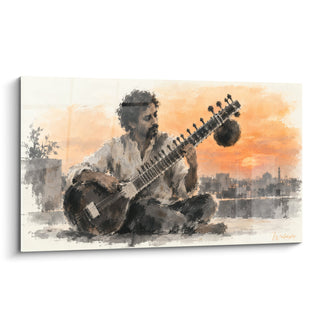 Sitar15
artworks
-
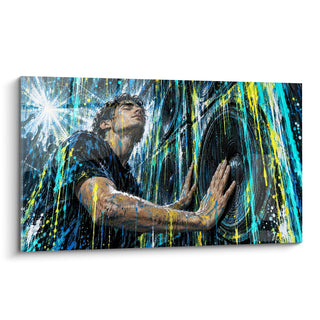 Sound System3
artworks
-
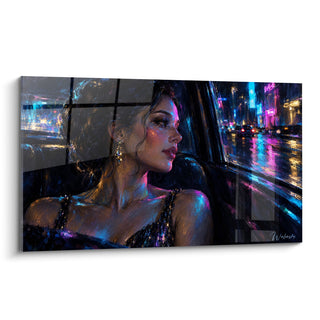 Music Star66
artworks
-
 Drum9
artworks
-
 Trumpet14
artworks
-
 Tuba4
artworks
-
 Trombone2
artworks
-
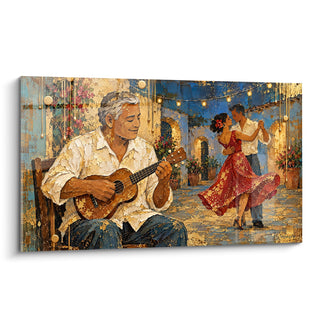 Ukulele41
artworks
-
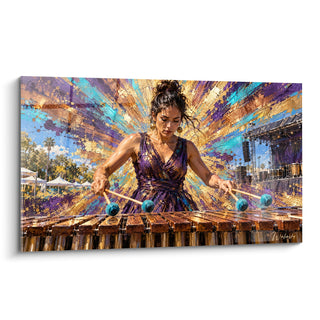 Vibraphone1
artwork
-
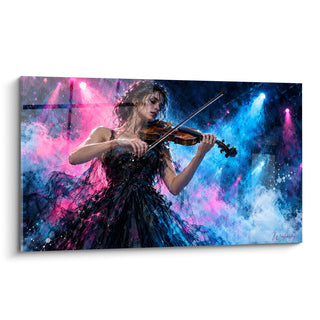 Violin237
artworks
-
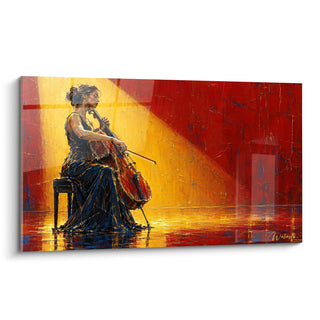 Cello56
artworks
-
 Vinyl43
artworks

All about Accordion Painting
- Accordion Painting Overview
- The bellows as breath
- Late-day light
- Faces turned toward the sky
The Accordion Painting collection brings together scenes where the instrument always sits at the heart of the gesture: bellows wide open, keys catching the light, the musician caught up in his own music. Whether it is a village square, a harbor at dusk or a Venetian canal, each canvas captures the precise instant when the accordion seems to breathe along with the one playing it.
What unites these paintings is less the setting than the energy they give off. Bright colors, marked impasto and burst skies convey a physical joy, almost contagious. We often find late-day light, golden or rosy, that envelops the scene and softens the movement without ever extinguishing it.
This collection is for those who want a wall that tells something alive, far from static compositions. It fits naturally in a living room, a dining room or any space of passage and conviviality, where a touch of movement and human warmth makes all the difference.
Between popular nostalgia and festive brilliance, the Accordion Paintings offer a repertoire of varied yet coherent scenes, carried by the same instrument and the same intensity of light.
Why the movement of the bellows structures every Accordion Painting
Why does the bellows always seem to be moving in these canvases?
On each accordion painting, the bellows is rarely still: it is painted half-open, stretched, almost alive. This emphasis comes from a physical peculiarity of the instrument, unique among keyboard instruments: it is compressed air, not a struck string, that produces the sound. Artists translate this invisible breath into marked folds and colors that stretch with it, burgundy red or bright pink depending on the scene. Hung on the wall, this captured movement gives the room an impression of continuous breathing, as if the music had never really stopped playing.
Where does the habit of painting the instrument with a palette knife rather than a fine brush come from?
The thick texture covering many of these canvases is no accident: the knife technique, inherited from twentieth-century Expressionist painting, renders the bellows' material with an almost tactile relief. Each accordion painting plays on the contrast between the precision of the white and black keys, rendered in fine line, and the generous impasto of the rest of the composition. This technical choice gives volume to the work and creates, under natural light, shifting shadows that change with the time of day.
Why does the instrument always occupy a central place, never a secondary one?
Unlike other musical scenes where the instrument remains a discreet accessory, the accordion is systematically placed at the center of the framing, almost as large as the musician's face. This stems from its very nature: it demands the whole body, both hands, an engaged posture, something no other popular instrument requires as much. The Accordion Paintings translate this physical demand into pictorial composition, making the instrument a true second character rather than a simple detail of the setting.
What the golden light of the Accordion Paintings tells about the places depicted
Why do so many of these scenes take place at dusk?
The recurring choice of late-day light in these compositions is not merely aesthetic: the accordion is historically an instrument of the street and popular festivity, played at the hours when work ends and squares fill up. The orange, mauve and golden tones that dominate many accordion paintings reproduce this shift between productive day and festive evening. Hung in a living room, this warm light establishes a calm end-of-day atmosphere, conducive to rest and conviviality.
What do the waterside settings chosen for these scenes say?
Harbors, canals and jetties often recur in these compositions, and this choice is not incidental: the accordion, an easily portable instrument, long accompanied sailors and travelers during stopovers and crossings. Shimmering reflections on the water, painted in broad strokes of blue and gold, visually extend the movement of the bellows to the horizon. An accordion painting set near water thus evokes a double journey, that of the boat and that of the music, answering each other within the same composition.
Why do the rooftops and bell towers in the background always remain blurred?
In most of these scenes, the town in the background dissolves into silhouettes and imprecise touches, while the musician and his instrument stay sharp. This visual hierarchy recalls that the accordion has always been a traveling instrument, played in a different square each evening, without attachment to a specific setting. The architectural blur of the Accordion Paintings reinforces the idea of a passing musician, and lets the eye focus on the musical gesture rather than the exact place depicted.
What the upturned gazes say about the emotion specific to the Accordion Paintings
Why do so many musicians painted here look upward rather than at their instrument?
One detail recurs insistently in this collection: the musician's eyes are almost never fixed on the keys, but raised toward the sky or lost in the distance. This choice reflects a reality specific to the accordion, an instrument often played from memory, the body guiding the fingers without needing the gaze. Each accordion painting thus captures a moment of abandon rather than technical concentration, giving the scene an emotional intensity that few other instruments can represent so directly.
What does the contrast between realistic faces and highly painterly backgrounds reveal?
Many of these compositions set a face treated with great realism against an exploded, almost abstract background made of drips and splashes of color. This device isolates human emotion from the surrounding sonic and visual turmoil, as if the music itself were taking material form in paint around the musician. An accordion painting built this way does not merely show a scene, it gives visible form to what we hear, making the piece almost audible from the simple act of looking at it.
Who does this kind of expression speak to most directly?
This absorbed, almost inhabited gaze particularly touches lovers of popular music and street scenes, those for whom an instrument is never just an object but an extension of the body and of emotion. The Accordion Paintings are for those seeking, more than a simple portrait, a sensation of a lived and transmitted moment. In a living space, this contained intensity creates a visual anchor that invites prolonged looking rather than a passing glance.
FAQ about accordion paintings
Why is the accordion so often associated with festive popular scenes in these paintings?
Historically, the accordion established itself as an instrument of dance halls and streets, easy to carry and capable of making crowds dance without amplification. The scenes in this collection continue that tradition: cobblestone squares, couples in motion, smiling musicians. They extend a popular practice rather than a scholarly one, which explains their warm tone that is never solemn.
Do these paintings suit a rather sober interior, or do they require an already colorful room?
The Accordion Paintings often work through contrast: their bright colors and knife-worked texture stand out more against a neutral wall, which lets the eye focus on the movement of the bellows and the light of the painted sky. In a room already rich in color, they risk blending into the whole rather than drawing the eye.
What distinguishes an accordion scene from a violin or guitar scene in this kind of wall decoration?
The accordion demands a much more visible bodily gesture: outstretched arms, bellows fully extended, engaged posture, whereas the violin or guitar remain more static. This physical amplitude gives the compositions a particular energy and visual volume, making the scene more dynamic and more immediately legible than with an instrument of more discreet gesture.
Further reading
Our articles on this topic
- Vintage accordion painting: how to integrate it into a bohemian living room?
- Accordion wall art: the gift idea that will thrill any musician
- Musette accordion painting: which color to choose for your kitchen?
- Jazz orchestra painting: creating a hushed atmosphere in a professional office
- Watercolor tuba painting in blue tones: a musical touch for your desk
- Blue and gold abstract music notes painting: the wall decor that makes your walls vibrate
L'art qui suscite l'envie
Maison belge d'art mural grand format
14 jourspour changer d'avis*
Protection Walenskyincluse
Fabriquéen Italie
FormatXXL
Kit de fixationtoujours fourni
* Hors tableaux personnalisés et tailles personnalisées


