


Jazz Painting
In the blue haze of an urban night or the warmth of dusk, this collection brings together scenes where music is as much felt as heard. Each Jazz painting captures musicians caught in the golden light of brass instruments, between nocturnal monochromes and terracotta bursts. A Jazz edition designed for those who want to make a wall vibrate with improvisation and suspended motion.
 Jazz Wall Art N°3 - Abstract Music Edition$499.90
 Jazz Wall Art No.2 - Abstract Music Edition$499.90
 Jazz Wall Art No.1 - Abstract Music Edition$499.90
 Jazz Wall Art in Gold - Abstract Music Edition$499.90
 Musicians Among the Sunflowers at Dusk - Twilight Melody - Jazz Edition$499.90
 Trio of Musicians in Petrol Blue and Gold Wall Art - Night Concert - Jazz Edition$499.90
 Musicians on a Blue Night Dock Wall Art - Concert by the Water - Jazz Edition$499.90
 Contemporary Jazz Monochrome Wall Art - black and white music edition$499.90
In the same family
Also explore the theme Music
-
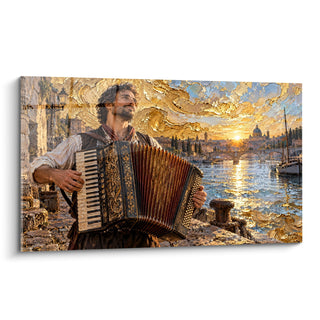 Accordion26
artworks
-
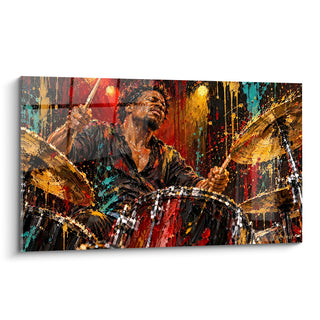 Battery40
artworks
-
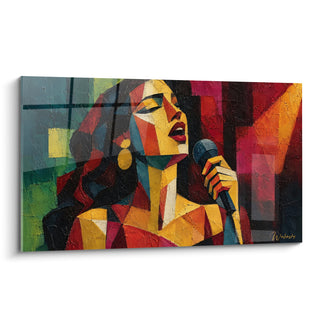 Song33
artworks
-
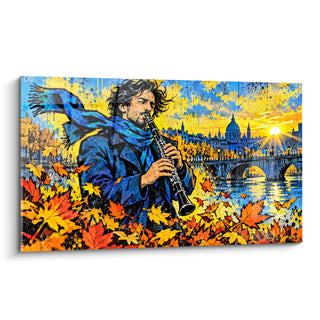 Clarinet3
artworks
-
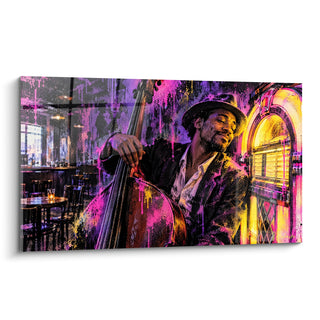 Double bass28
artworks
-
 Bagpipes13
artworks
-
 Ballroom dance34
artworks
-
 Disco51
artworks
-
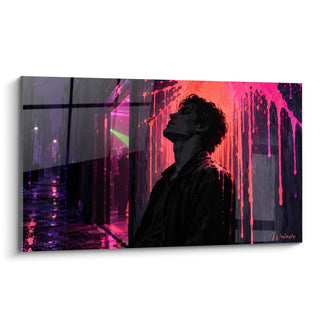 Nightclub26
artworks
-
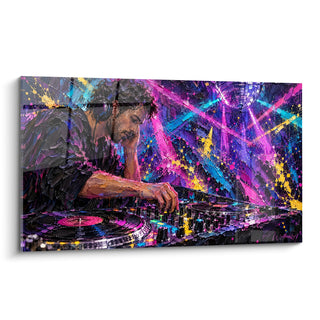 DJ66
artworks
-
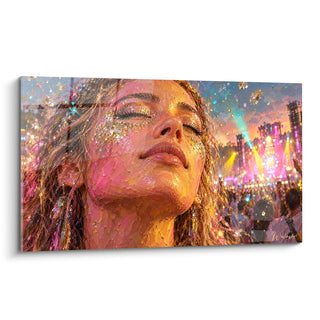 Electro27
artworks
-
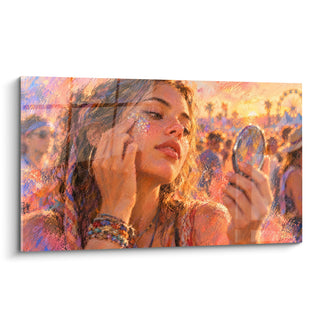 Music Festival11
artworks
-
 Flute14
artworks
-
 Panpipes20
artworks
-
 Funk13
artworks
-
 Guitar108
artworks
-
 Handpan20
artworks
-
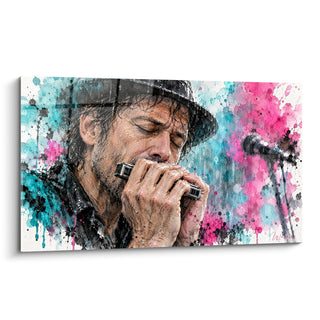 Harmonica3
artworks
-
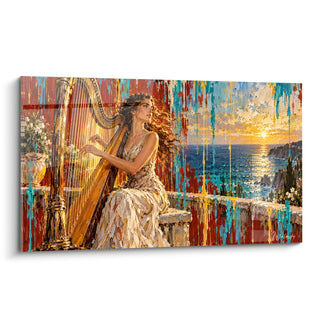 Harp18
artworks
-
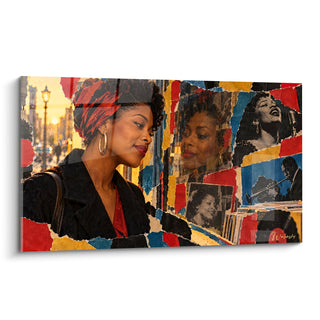 Old School Hip Hop40
artworks
-
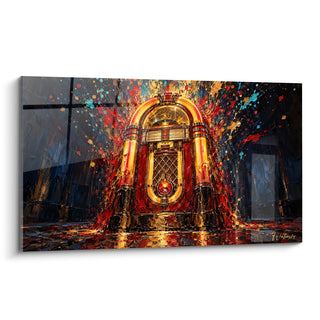 Jukebox12
artworks
-
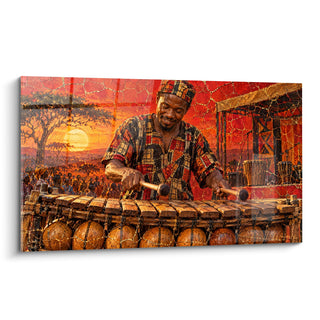 Various Musicians61
artworks
-
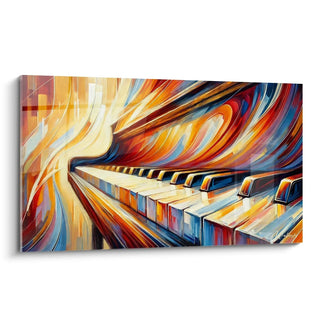 Musical note21
artworks
-
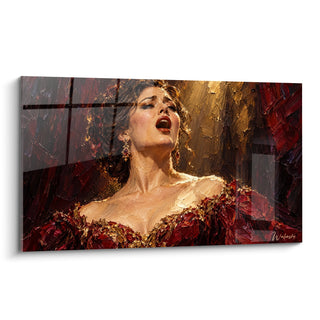 Opera23
artworks
-
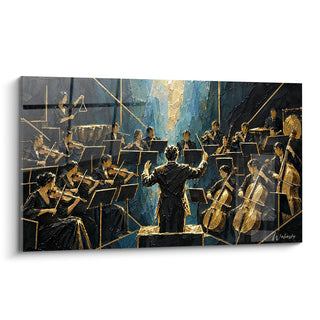 Orchestra6
artworks
-
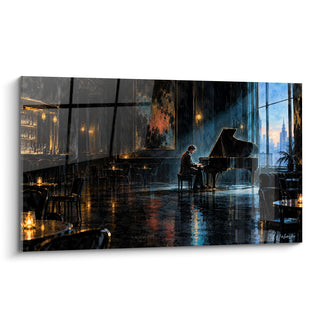 Piano295
artworks
-
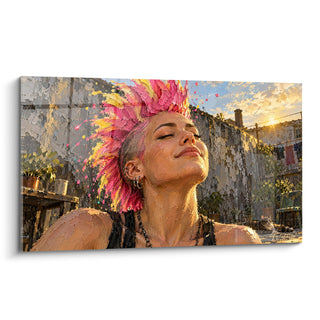 Punk35
artworks
-
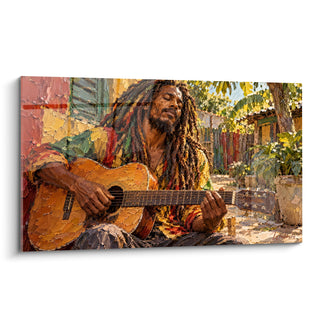 Reggae13
artworks
-
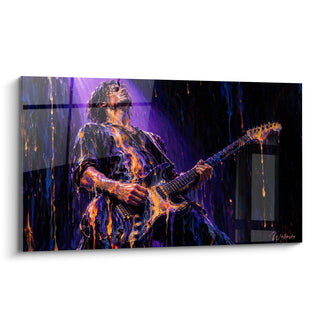 Rock48
artworks
-
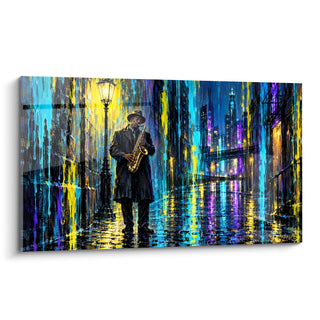 Saxophone64
artworks
-
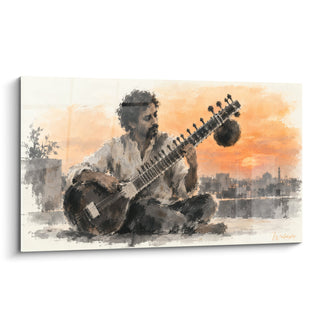 Sitar15
artworks
-
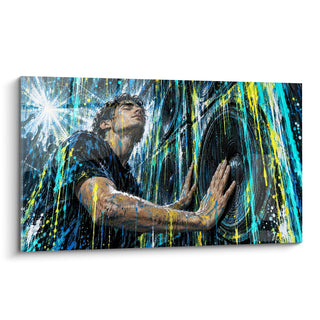 Sound System3
artworks
-
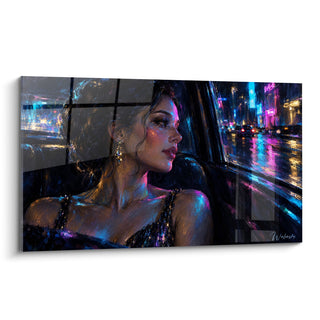 Music Star66
artworks
-
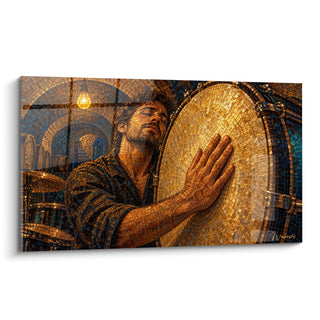 Drum9
artworks
-
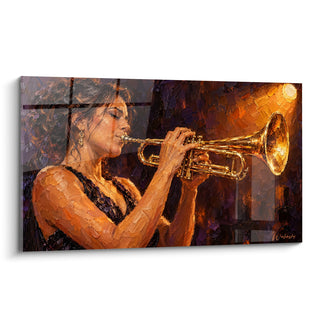 Trumpet14
artworks
-
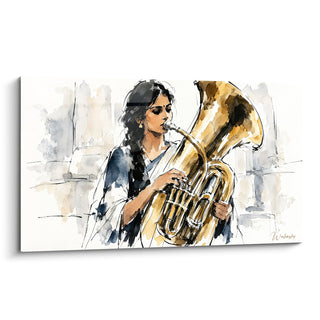 Tuba4
artworks
-
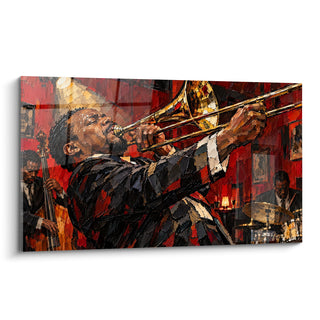 Trombone2
artworks
-
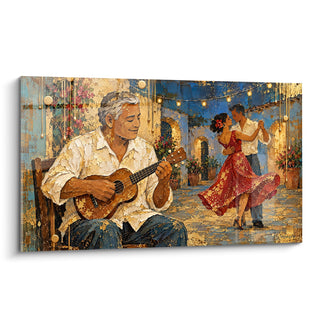 Ukulele41
artworks
-
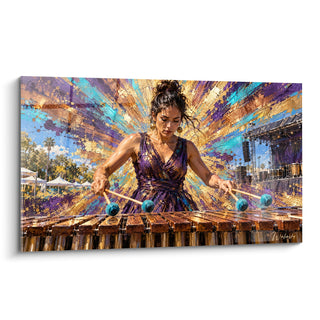 Vibraphone1
artwork
-
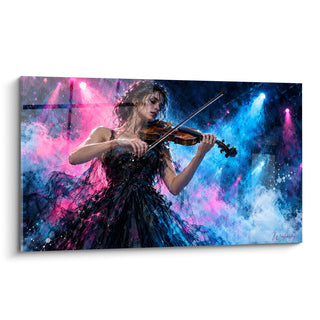 Violin237
artworks
-
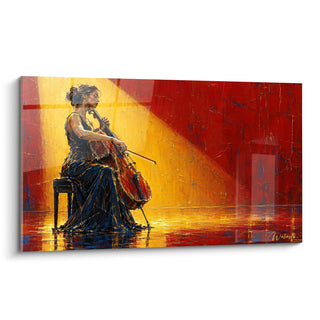 Cello56
artworks
-
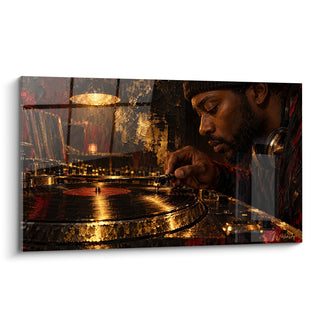 Vinyl43
artworks

All about Jazz Painting
- Jazz Painting Overview
- Night, Smoke and Brass
- Gesture and Living Matter
- Scenes, Quays and Clubs
This collection brings together canvases where music asserts itself through color as much as through subject: musician silhouettes captured mid-improvisation, brass catching the light, double basses and saxophones drawn in broad strokes. Each Jazz painting captures a suspended moment, the one where a tune seems to still resonate on the canvas.
What unites these works is a constant interplay between the enveloping darkness of nocturnal blues and the warm glow of orange, terracotta or gold. This chromatic tension creates an atmosphere both intimate and vibrant, far from sedate compositions: one senses the breath, the rhythm, the energy of an improvised concert rather than a frozen scene.
This collection is for those who want a room to tell a story rather than merely decorate: a living room that loves music, an office in need of a little soul, a hallway that deserves a breath of air. Jazz paintings suit a contemporary interior as well as a more classic space, because their strength lies in composition and light rather than in any passing trend.
Across the canvases, a kinship of painterly gestures - impasto, splashes, figures in motion - gives the whole a strong visual coherence without ever falling into repetition. It is this diversity within unity that enriches the collection, conceived as a true repertoire rather than a simple series of images.
What the darkness tells in these Jazz paintings
Why does nocturnal blue dominate these compositions so much?
On most of these canvases, a deep blue - navy, petrol or charcoal - occupies most of the surface, as if the night itself became the true backdrop of the concert. This choice is not incidental: throughout the history of painting, dark blue has always been used to suggest the city after dusk, smoky clubs, wet streets where music plays away from the gaze. In a Jazz painting, this hue creates distance and mystery, inviting you to imagine the scene rather than see it in full light - a precious sensation to hang in a room where one seeks precisely to slow down.
Where does this golden light piercing the darkness come from?
A hanging lamp, a spotlight or simply the reflection of a city at night: in these works, the light never bathes the whole scene, it strikes a face, a trumpet, a precise gesture. This manner of painting directly inherits the stage lighting of historic jazz clubs, where a single beam isolated the soloist from the rest of the band sunk in shadow. Rendered in paint, this localized light creates an immediate visual anchor and turns each Jazz painting into a kind of miniature stage, where the eye is guided before it understands why.
Do the mist and smoke have a particular meaning here?
A white haze creeping along the ground, vapor rising between the silhouettes: this recurring motif evokes as much the dampness of a nocturnal quay as the thick smoke of the smoky clubs where jazz long thrived. In paint, this effect deliberately blurs the outlines, prevents any overly clear reading and reinforces the idea of a fleeting moment, almost impossible to fix. It is this visual instability that gives these paintings their living character, far from a frozen scene - a rare quality that distinguishes a true painted jazz scene from a mere musical illustration.
The painting technique behind each Jazz painting
Why do these silhouettes seem almost unfinished?
The musicians depicted here are never rendered in precise detail: a hat, a jacket, a gesture is enough to make them recognizable. This deliberate simplification draws on expressionist painting, where emotion takes precedence over exact likeness. In a Jazz painting, this choice visually expresses improvisation itself: nothing is fixed, everything seems able to move still. Hung at home, this apparent incompleteness creates a curious effect - the eye always completes the scene a little, which makes the canvas more alive than a perfectly polished representation ever could be.
What does the thickness of the material reveal on these canvases?
Some of these works bear pronounced relief, impasto one can almost sense with the fingertips, as if the paint itself had been played with a knife with the same energy as a musician on stage. This thick texture is not a mere decorative effect: it physically conveys the rhythm and intensity of the music depicted. A Jazz painting worked this way catches light differently depending on the time of day, its reliefs coming alive with shifting illumination - a detail that profoundly changes how the work is perceived depending on when you view it.
Do the splashes and drips serve a specific function?
On certain canvases, paint deliberately spills beyond the central frame, splashes, drips, as if the painter's gesture had followed that of the musician rather than the reverse. This technical freedom, close to free watercolor, breaks the rigidity of an overly sedate composition and creates a sense of continuous movement. It recalls that jazz, by its very nature, escapes any fixed structure. In a living space, this visual spontaneity brings an energy different from a classic, perfectly controlled canvas - an extra dose of the unexpected that particularly appeals to lovers of free composition.
The places these Jazz paintings tell of
Why do so many scenes unfold near water or outdoors?
Quays, jetties, wet streets reflecting the city's lights: these recurring settings anchor the music in an urban space rather than an enclosed hall. This improvised outdoor scene echoes a very real practice of early jazz, often played outside, in the street or by the water, for lack of dedicated venues. A Jazz painting set this way tells of a popular and free music, far from hushed concert halls. For the one who hangs it, it is a way of evoking a lived musical scene, almost documentary, rather than an idealized performance.
What does the presence of the city in the background signify?
Behind the musicians, a sketched skyline, lit windows, an urban murmur suggested by small touches of light: the city is never absent from these compositions. It recalls that jazz is historically a music born in the great metropolises, carried by their nights and encounters. A Jazz painting that places this urban presence as a backdrop does not merely represent isolated musicians, it situates them in a precise, living, shifting territory - which gives the work a narrative depth greater than a simple posed scene.
Why do some settings step outside the expected concert framework?
Sometimes these scenes unfold in unexpected places, blending music with natural or everyday elements that seemingly have nothing to do with a concert stage. This compositional choice recalls that jazz has always fed on multiple contexts, never confined to a single venue or social class. In these paintings, this unexpected encounter between music and an incongruous setting creates a stimulating visual tension, avoiding the overly conventional image of the smoky club and opening the scene to endless possible interpretations for the viewer.
FAQ about jazz paintings
Why do these Jazz paintings play so strongly on the contrast between blue and orange?
This chromatic contrast reproduces the real opposition between the urban night and the warm stage lighting of historic clubs. Blue establishes depth and mystery, orange draws attention to faces and instruments. This color duo creates an immediate visual tension, more striking than a uniform palette, and gives each canvas a dramatic intensity specific to the world of jazz.
Do these scenes correspond to a specific era of jazz?
The hat-wearing silhouettes, dark suits and depicted instruments - double bass, trumpet, drums - evoke the golden age of jazz more than its contemporary forms. This retro aesthetic is not an exact historical documentary, but a free evocation, designed to convey an atmosphere rather than a precise dating of a real venue or musical period.
Is this type of painting suitable for someone who doesn't particularly listen to jazz?
Yes, because the strength of these canvases lies as much in their composition and light as in the musical subject itself. Someone sensitive to nocturnal moods, bold contrasts or lively urban scenes can connect with them without knowing jazz, the music serving here as a pretext for a strong, immediately perceptible pictorial atmosphere.
Further reading
Our articles on this topic
- Jazz painting on acrylic glass or Alu Dibond: which finish best enhances the jazz atmosphere?
- Which jazz painting size should you choose based on wall surface?
- Jazz trumpet picture: how to fit it into a modern living room?
- Jazz tuba painting in acrylic print: how do you achieve a true vintage atmosphere?
- Vibraphone jazz painting: the rare instrument that elevates a modern living room
- Jazz vintage wall decor for an adult bedroom with a moody speakeasy vibe
L'art qui suscite l'envie
Maison belge d'art mural grand format
14 jourspour changer d'avis*
Protection Walenskyincluse
Fabriquéen Italie
FormatXXL
Kit de fixationtoujours fourni
* Hors tableaux personnalisés et tailles personnalisées


