




Edward Hopper Inspired Wall Art
The paintings inspired by Edward Hopper depict solitude and light with poetry. These works explore urban landscapes and frozen moments of life, perfect for lovers of introspective art.
 Inspired by Summer Evening by Edward Hopper No.2 Wall Art – Tribute to Celebrated Artist$499.90
 Inspired by Summer Evening by Edward Hopper No. 1 Wall Art – Tribute to Celebrated Artist$499.90
 Inspired by Nighthawks by Edward Hopper No. 2 Wall Art – Tribute to Celebrated Artist$499.90
 Inspired by Nighthawks by Edward Hopper N°1 Wall Art – Tribute to Celebrated Artist$499.90
 Inspired by Edward Hopper's New York Movie No.2 Wall Art – Tribute to a Celebrated Artist$499.90
 Inspired by Edward Hopper's New York Movie No.1 Wall Art – Tribute to a Celebrated Artist$499.90
 Inspired by Chop Suey by Edward Hopper No. 2 Wall Art – Homage to Renowned Artist$499.90
 Inspired by Chop Suey by Edward Hopper No. 1 Wall Art – Homage to Renowned Artist$499.90
In the same family
Also explore the theme Famous Artists ( inspirations )
-
 View all265
artworks
-
 Alfred Sisley10
artworks
-
 Amedeo Modigliani12
artworks
-
 Camille Pissarro7
artworks
-
 Caspar David Friedrich11
artworks
-
 Claude Joseph Vernet3
artworks
-
 Claude Monet10
artworks
-
 Edgar Degas8
artworks
-
 Edvard Munch11
artworks
-
 Frida Kahlo6
artworks
-
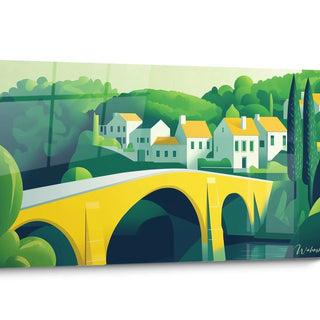 George Braque5
artworks
-
 Giuseppe Arcimboldo9
artworks
-
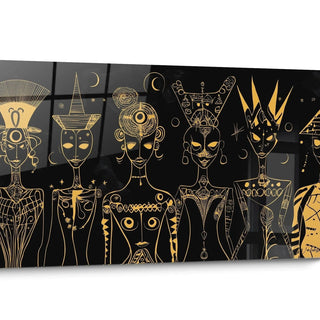 Goya8
artworks
-
 Gustav Klimt8
artworks
-
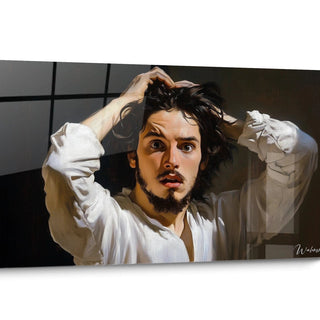 Gustave Courbet8
artworks
-
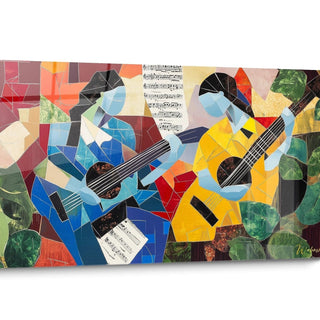 Henri Matisse4
artworks
-
 Hieronymus Bosch2
artworks
-
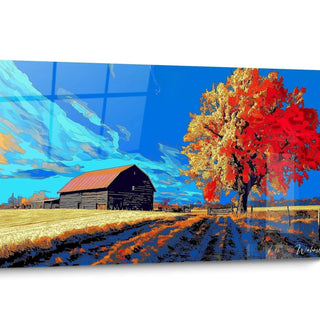 Jean Baptiste Camille Corot9
artworks
-
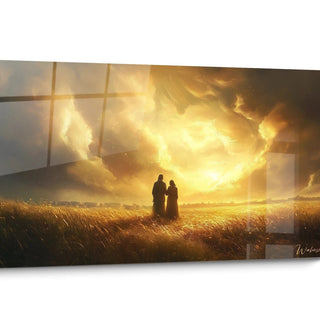 Jean François Millet7
artworks
-
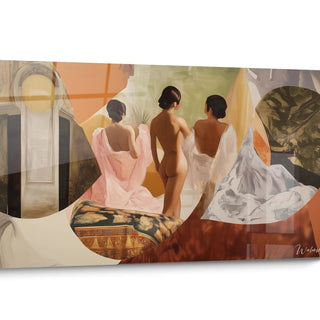 Jean-Auguste-Dominique Ingres10
artworks
-
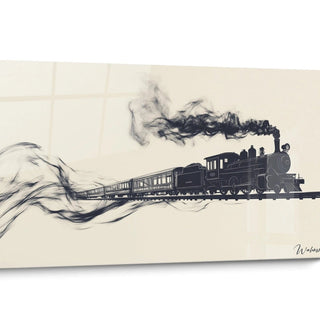 JMW Turner6
artworks
-
 Johannes Vermeer10
artworks
-
 Leonardo da Vinci5
artworks
-
 Michelangelo6
artworks
-
 Paul Gauguin6
artworks
-
 Peter Paul Rubens6
artworks
-
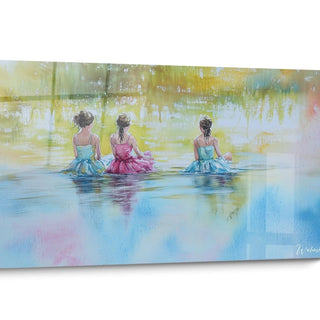 Pierre-Auguste Renoir6
artworks
-
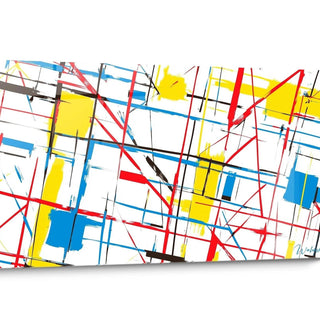 Piet Mondrian11
artworks
-
 Pieter Bruegel the Elder6
artworks
-
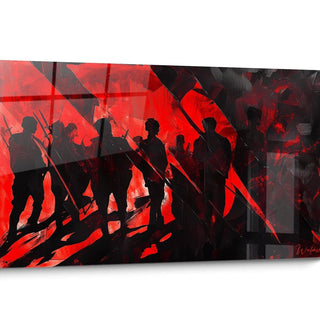 Rembrandt van Rijn4
artworks
-
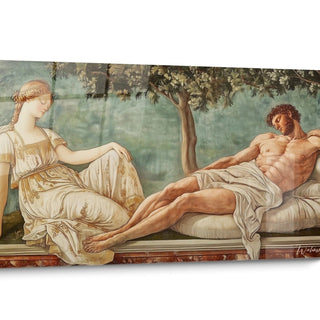 Sandro Botticelli9
artworks
-
 Sonia Delaunay6
artworks
-
 Théodore Géricault7
artworks
-
 Vincent Van Gogh11
artworks
-
 Wassily Kandinsky10
artworks

All about Edward Hopper Inspired Wall Art
- Description Painting Edward Hopper
- Painting Edward Hopper artistic analysis
- Painting Edward Hopper in interior design
- Painting Edward Hopper art investment
Edward Hopper's works represent timeless masterpieces of 20th-century American art. Recognized for their striking depiction of urban solitude and American landscapes, these famous paintings by this unique artist instantly transform a room into a refined cultural space. A pioneer of American realism, Hopper captured the essence of modern life with a melancholic precision that still resonates today with art lovers and collectors.
The characteristic atmosphere of Edward Hopper's paintings, with their unique interplay of light and shadow, creates a striking focal point in any exhibition space. His iconic works like "Nighthawks" or "Morning Sun" bring exceptional narrative depth to contemporary interiors, inviting reflection and contemplation. Hopper's distinctive color palette, dominated by bright contrasts and subtly desaturated tones, harmonizes remarkably with current interior design trends.
Large-scale reproductions of Hopper's works radically transform the spatial perception of a room, creating a window into mid-century America. Unlike purely decorative works, a painting by Edward Hopper becomes a true cultural investment, bringing historical and intellectual dimension to your living or working space. These large-scale artistic representations immediately capture attention and naturally become the center of any conversation.
The Unique Artistic Universe of Edward Hopper's Paintings
The paintings of Edward Hopper are fundamentally distinguished by their silent storytelling and their ability to transform the ordinary into the extraordinary. Each of Hopper's works tells a frozen-in-time American story, capturing moments of transition and waiting that deeply resonate with the viewer. This narrative characteristic immediately distinguishes his creations from other artistic movements of the 20th century, where pure expression or abstraction often dominated.
How to instantly recognize an Edward Hopper painting?
Hopper's artistic signature is immediately identifiable by several distinctive elements. First, his unparalleled mastery of natural light creates dramatic contrasts between areas of shadow and illuminated surfaces. This characteristic brightness, often morning or late afternoon, generates a suspended atmosphere that becomes the artist's trademark.
The compositions of Hopper generally present precisely defined architectural spaces - facades of buildings, interiors of restaurants, hotel rooms - where the human presence is either solitary or entirely absent. This tension between rigorous architecture and isolated human presence creates a unique emotional resonance in his works.
Hopper's specific color palette is also a major distinctive element. His paintings employ cool colors juxtaposed with warm surfaces, creating a particular chromatic balance that amplifies the psychological aspect of his scenes. These slightly desaturated hues contribute to the melancholic atmosphere so characteristic of his work.
Why do Edward Hopper's paintings possess such a powerful emotional resonance?
The emotional impact of Hopper's paintings stems from his exceptional ability to capture modern alienation. His works often depict characters in moments of profound introspection, creating a psychological mirror where the viewer can project their own experiences of urban solitude. This psychological dimension transforms his paintings into immersive experiences rather than simple aesthetic representations.
Hopper's nocturnal scenes, particularly admired by collectors, create a cinematic atmosphere ahead of its time. His iconic painting "Nighthawks" (1942) perfectly illustrates this quality, with its illuminated restaurant contrasting with the surrounding darkness. This iconic work has influenced countless filmmakers and photographers, demonstrating the considerable cultural impact of Hopper's creations.
Architecture in Hopper's paintings is never just a backdrop, but becomes a character in its own right. The strict geometric lines of his buildings create a rigid frame that amplifies the vulnerability of human figures. This tension between architectural structure and human fragility generates exceptional narrative depth, transforming each painting into a complex visual narrative.
The little-known technical innovations of Edward Hopper
Beyond his recognizable style, Hopper developed several technical innovations that deserve to be highlighted. His method of applying paint, with superimposed layers creating subtle depth, allows for a particular luminosity that gives the impression that the light emanates from within the painting itself.
Hopper often worked from extremely detailed preparatory sketches, establishing the composition precisely before applying the slightest touch of paint. This methodical approach allowed him to create works where every visual element contributes to the overall atmosphere, without superfluous detail.
The strategic use of perspectives by Hopper often creates a distinctive visual tension. His slightly elevated viewpoints or unusual angles confront the viewer with everyday scenes in a new light, transforming the ordinary into the extraordinary through this simple perspective shift.
A painting by Edward Hopper is not just a decorative element - it becomes a portal to mid-20th century America, capturing the essence of an era with remarkable sociological precision. The experience of contemplating such a work daily transcends simple aesthetic appreciation, offering an incomparable cultural and historical depth to your environment.
Strategic Integration of an Edward Hopper Painting into Contemporary Interior Design
A painting by Edward Hopper radically transforms the spatial perception of a room by establishing a unique narrative depth. Unlike purely decorative works, Hopper's paintings create a dimensional window to mid-20th century America, instantly establishing a historical and emotional connection with the space. This transcendent quality far exceeds the simple ornamental function to become a true temporal anchor in your interior.
How does an Edward Hopper painting change the spatial psychology of a room?
The psychological effect of a Hopper painting on an interior space is particularly fascinating. His works, often characterized by deep perspectives and interior scenes viewed from the outside (or vice versa), create an illusion of spatial extension that visually enlarges the room. This characteristic makes large-scale reproductions of his paintings a strategic choice for contemporary urban spaces with limited dimensions.
The characteristic luminosity of Hopper's paintings, with their striking contrasts between areas of shadow and surfaces bathed in light, directly influences the perception of the environment's lighting. A work like "Morning Sun" (1952), with its masterful representation of morning light, can literally illuminate a naturally poorly lit north-facing space, creating an alternative source of visual clarity.
Hopper's urban scenes, like "Early Sunday Morning" (1930), establish a fascinating architectural dialogue with contemporary interiors. The clean lines and geometric structures present in his works harmonize remarkably with current minimalist trends, creating an aesthetic continuity between the work and its exhibition environment.
Strategic positions to maximize the impact of an Edward Hopper painting
The ideal placement for an Edward Hopper painting differs significantly from conventional practices. His works gain particular impact when placed in transitional zones – hallways, landings, entrances – reflecting the theme of passage and in-betweenness so characteristic of his work. This conceptual correspondence between the artwork's content and its location creates a deeply coherent spatial resonance.
Paintings depicting nocturnal scenes by Hopper, such as his iconic "Nighthawks," reveal their full power when installed in convivial spaces – dining rooms, reception rooms – where they establish a contemplative atmosphere conducive to intellectual exchange. The meditative quality of these works subtly transforms the social dynamics of these spaces.
For works depicting intimate interior scenes, such as "Room in New York" (1932), a placement in private spaces – bedrooms, personal offices – creates a striking effect of mise en abyme where the represented intimacy echoes the lived intimacy. This conceptual overlay generates a particularly immersive spatial experience.
Large reproductions of Hopper's maritime paintings, such as "The Long Leg" (1935), find their optimal expression in spaces with pronounced architectural constraints. Their open horizon and suggestion of immensity effectively counterbalance spatial limitations, visually creating an escapist contemplation within constrained environments.
The Chromatic Interaction Between Edward Hopper Paintings and Contemporary Design
Hopfer’s distinctive palette, characterized by bright contrasts and slightly desaturated tones, demonstrates remarkable adaptability to current color trends in interior design. His amber tones and deep blues naturally integrate into the neutral color schemes favored in contemporary interiors, creating an immediate visual harmony.
A painting like "Gas" (1940), with its dramatic juxtaposition between artificial lighting and natural twilight, becomes a lighting ambiance regulator in the space. The orange hues of the gas station contrasting with the deep blue of the sky create a balanced chromatic temperature that subtly influences the overall perception of the room.
The vibrant colored architectural facades present in some of Hopper’s works, such as in “Second Story Sunlight,” introduce dynamic chromatic accents that can serve as a starting point for the entire color scheme of a room. These colored elements act as visual catalysts allowing for coherent color extensions throughout the space.
The integration of an Edward Hopper painting transcends simple decoration to become a true strategy of spatial and emotional arrangement. Its presence fundamentally transforms the perception, lighting, and atmosphere of an interior, creating an intellectually stimulating and visually sophisticated environment that constantly evolves with repeated observations.
The Evolving Value of an Edward Hopper Painting as an Artistic Investment
Acquiring an Edward Hopper painting, whether it's a museum-quality reproduction or, for wealthy collectors, a numbered lithograph, represents far more than a simple decorative purchase – it's a cultural investment with progressive valuation. The value of Hopper's works has been steadily appreciating for decades, significantly surpassing the usual fluctuations of the American art market. This valuation stability transforms these paintings into transmissible heritage assets.
Why do Edward Hopper paintings resist fashion trends exceptionally well?
The remarkable resilience of Hopper's works to ephemeral trends is explained by several distinctive factors. Firstly, their intrinsic narrative quality transcends purely aesthetic considerations, conferring an interpretive depth that is renewed with each generation. Unlike artistic movements strongly rooted in their time, Hopper's exploration of modern solitude becomes increasingly relevant as our society paradoxically becomes more connected but emotionally isolated.
Hopfer’s lasting influence on contemporary visual culture – from cinema to advertising photography – constantly keeps his works in active cultural dialogue. This omnipresence in the collective imagination effectively supports the market and cultural value of his paintings, creating a virtuous circle of artistic and financial appreciation. Directors such as Wim Wenders or Todd Haynes continue to explicitly reference his work, perpetuating his cultural influence.
The objective scarcity of Hopper's original works – which produced only about 366 paintings during his career – significantly amplifies the value of museum-quality reproductions. This quantitative limitation contrasts sharply with the prolific output of other major 20th-century artists, creating constant acquisition pressure on the secondary market that positively impacts the segment of high-end reproductions.
How does the cultural perception of Edward Hopper paintings evolve?
The contemporary reading of Hopper's works is constantly enriched with new sociological and psychological interpretations. Initially perceived as documents on mid-century America, his paintings are now analyzed as visionary explorations of digital alienation and urban isolation. This prophetic ability to anticipate current social concerns significantly reinforces their relevance and, by extension, their market value.
International exhibitions dedicated to Hopper consistently experience record attendance, demonstrating the constant expansion of his global audience. The retrospective "Edward Hopper: An American Love Story" at the Grand Palais in Paris, for example, attracted over 784,000 visitors in 2019, setting an attendance record. This growing popularity with the international public diversifies and strengthens the potential market for the artist's works.
The increasing academic interest in the technical and compositional dimensions of Hopper's work also contributes to its constant revaluation. Recent studies on his unique mastery of light and his perspectival innovations enrich the appreciation of his work beyond the usual thematic readings, attracting the attention of a particularly demanding and influential collector segment.
Strategies for Acquiring and Showcasing an Edward Hopper Painting
To maximize the potential appreciation of an Edward Hopper painting, several selection criteria are crucial. Reproductions of his iconic works - such as "Nighthawks," "Morning Sun," or "Gas" - generally benefit from immediate recognition that supports their valuation. However, discerning collectors are increasingly interested in his lesser-known works, such as his Cape Cod landscapes or his railway scenes, which offer a superior potential for discovery and appreciation.
The technical quality of reproduction is a crucial factor in long-term valuation. Reproductions using advanced printing technologies, capable of capturing the subtleties of texture and the characteristic chromatic nuances of Hopper, maintain their value significantly better. The initial investment in a museum-quality reproduction is generally justified by its slower depreciation.
The format of reproduction also deserves particular attention. Large formats, especially for works like "New York Movie" or "Office in a Small City," allow for a visually immersive experience close to that of a museum. This immersive quality significantly increases the perceived value and emotional impact of the painting, justifying a substantial premium on the resale market.
FAQ on Edward Hopper Paintings
What is the most sought-after work by Edward Hopper for an art investment?
"Nighthawks" remains undeniably the most iconic and sought-after painting by Edward Hopper in the premium reproduction market. Its universal recognition and status as an American cultural icon make it a particularly stable and appreciated investment, with a value that continues to increase steadily for decades.How to identify a quality reproduction of an Edward Hopper painting?
A reproduction of excellence is recognized by its chromatic fidelity to the slightly desaturated tones characteristic of Hopper, the precision of its light contrasts, and the quality of the printing support, which should ideally present a subtle texture reminiscent of the original canvas. Certificates of authenticity mentioning the printing technology and the limitation of the edition are also significant indicators of value.Do Edward Hopper's maritime paintings have the same value as his urban scenes?
Although historically less valued than his iconic urban representations, Hopper's maritime scenes are currently experiencing a substantial revaluation among collectors and experts. Their exceptional luminosity and refined composition particularly well respond to contemporary aesthetic trends, suggesting a superior appreciation potential in the medium term.What is the influence of Edward Hopper's paintings on contemporary art?
" [HTML FRAGMENT - traduit ce fragment HTML, garde la structure], Hopper's influence on contemporary art is mainly manifested in narrative photography, independent cinema, and certain currents of hyperrealistic painting. Artists such as Gregory Crewdson or Richard Tuschman explicitly develop a neo-Hopperian aesthetic, creating an intergenerational dialogue that constantly keeps Hopper's work at the center of current artistic conversations.Further reading
Our articles on this topic
- Edward Hopper, the American Painter of Solitude
- Edward Hopper-inspired painting: which luminous atmosphere for your modern living room
- Recognizing a true Edward Hopper style: a 5-criteria reading grid
- Hopper and American Loneliness: The Aesthetics of Emptiness in Our Interiors
- Raking light and a Hopper painting: how to hang one in an adult bedroom
- How does Edward Hopper empty his landscapes of human presence to create isolation?
L'art qui suscite l'envie
Maison belge d'art mural grand format
14 jourspour changer d'avis*
Protection Walenskyincluse
Fabriquéen Italie
FormatXXL
Kit de fixationtoujours fourni
* Hors tableaux personnalisés et tailles personnalisées


