

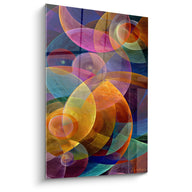

Which artwork for a shared waiting room serving several doctors?
July 2, 2026 · 9 min read · by Walensky
I spent fifteen years designing medical spaces for multidisciplinary practices. And every time, the same question comes back: how do you create a calming atmosphere in a waiting room that welcomes cardiology patients as well as dermatology patients, paediatric patients as well as general practice patients? The wall painting then becomes far more than a simple decorative element.
Here is what a well-chosen painting brings to a shared medical waiting room: it reduces anxiety in patients of all ages, creates a reassuring neutrality that respects every medical specialty, and turns waiting into a beneficial visual pause rather than an additional source of stress.
Let's be honest: a shared waiting room is a real challenge. How do you satisfy the child coming in for a vaccination, the anxious senior before a cardiology appointment, and the young adult stressed about a dermatology visit? How do you avoid visuals that are too specific and remind people of illness, while still keeping a strong identity?
Don't worry. After equipping more than forty multidisciplinary medical practices, I have identified principles that work universally: artistic solutions that transcend specialties and speak to the human being first. Let's explore together the keys to a successful choice.
Calming neutrality: your best ally in a shared space
In a shared waiting room, the painting should play the card of universality. Forget anatomical representations or overly medicalised visuals that can create anxiety in some patients.
Abstract natural landscapes are a safe bet. A minimalist composition in celadon blue tones suggests water without being literal. Organic shapes in earth tones create a reassuring grounding. These paintings offer a visual breath without imposing any specific interpretation.
I have observed that patients spend on average 15 to 25 minutes in a waiting room. During that time, their gaze naturally returns to the wall elements. A painting with fluid lines and soft colours becomes a soothing point of focus, particularly effective for anxious people.
The colour ranges to favour
For a shared medical waiting room, focus on:
Calming blues that naturally slow the heart rate. Aquatic tones create an atmosphere of serenity without being overwhelming.
Natural greens that evoke nature and promote relaxation. But beware: avoid overly bright greens, which can have a counterproductive effect.
Beiges and earth tones that anchor the space in warm neutrality. These shades work particularly well in practices located in urban areas, creating a calming contrast with the agitation outside.
Beyond decoration: the painting as a therapeutic tool
Few practitioners realise it, but choosing a painting for a shared waiting room is almost an environmental prescription. Research in environmental psychology demonstrates the direct impact of visuals on the level of pre-operative stress.
I worked with a psychologist specialised in medical settings to develop a functional approach. We identified three essential properties of a painting intended for a multidisciplinary medical space:
Visual depth : a painting that suggests space, that invites the gaze to escape beyond the walls of the waiting room. Compositions with several visual planes allow patients to mentally project their attention elsewhere, reducing their focus on the apprehension of the consultation.
Absence of tension : absolutely avoid sharp angles, violent contrasts and dynamic compositions that create energy. In a shared waiting room, you want exactly the opposite: soft curves, fluid transitions, a chromatic harmony that requires no effort of interpretation.
Timelessness : a painting for this use must stand the test of the years without tiring. Shun trends that are too marked. Favour simple, enduring compositions that will still be relevant in five or ten years.

Our selection
Rocky Landscape Painting with Reflection - Mystical Gorge - Black and white landscape edition
$233.90
Discover this paintingSize and placement: the golden rules of the medical setting
The size of a painting intended for a shared medical waiting room is not chosen at random. Too small, it goes unnoticed and loses its calming effect. Too imposing, it can become oppressive in a space already emotionally charged.
For a standard waiting room (20-30 m²), aim for a format between 80 and 120 cm wide. This dimension offers sufficient presence without dominating the space.
Regarding placement: position the painting within the natural field of vision of seated patients. Neither too high (neck fatigue) nor facing a direct light source (uncomfortable reflections). Ideally: on the wall opposite the entrance to the consulting room, thus offering a visual escape route at the moment when the call of one's name generates a peak of stress.
The common mistake of the waiting corridor
Many multidisciplinary practices install their paintings only in the main reception area. A mistake. The corridors leading to the various consulting rooms benefit just as much from a calming artistic presence. It is often in these transition spaces that anxiety peaks.
Plan smaller formats (40-60 cm) for these areas, while keeping the same colour coherence as in the main room. This visual continuity creates a reassuring route for the patient.
— Also to discover


Artistic styles that work in a multidisciplinary practice
Let's get concrete. After testing different approaches, certain styles of painting stand out as particularly suited to a shared waiting room.
Soft abstraction : non-figurative compositions with organic shapes. No strict geometry, but fluid movements that evoke water, wind, clouds. These paintings offer a free interpretation to each patient, functioning as a soothing Rorschach test.
Minimalist landscape : a horizon line, subtle tonal variations, a suggestion of nature rather than a literal representation. These paintings create a mental window towards the outside, particularly valuable in urban practices without a natural view.
Artistic photography : not just any photography, though. Avoid portraits that create uncomfortable human presence in a waiting room. Favour close-up plant photographs, natural textures and enlarged organic details that fascinate without worrying.
I have observed an interesting phenomenon: the paintings that work best in a shared medical waiting room are those that slow the gaze. No single focal points, but compositions that invite a slow, almost meditative visual exploration.

— In the same spirit


What you must absolutely avoid in a shared medical space
Certain choices, though aesthetically interesting, prove totally inappropriate for a waiting room shared by several doctors.
Anatomical representations : even artistic, even stylised. A painting of a heart may suit the cardiologist in a private office, but it will create anxiety in a shared waiting room.
Complex figurative scenes : narrative paintings, busy urban scenes, compositions with figures. These visuals demand too much cognitive attention at a moment when the patient needs mental rest.
Aggressive colours : bright red, intense orange, saturated yellows. These shades raise blood pressure and the level of alertness, exactly what you want to avoid.
Textual messages : motivational quotes, inspiring phrases. In a medical context, these messages can be misinterpreted or create inappropriate emotional dissonance.
Provocative conceptual art : a medical waiting room is not a contemporary art gallery. Patients come with their worries, not to be intellectually stimulated by a disturbing work.
The trap of childish decoration
Even if your multidisciplinary practice includes a paediatrician, resist the temptation to install overly childish paintings. You risk infantilising the space for adult patients. Favour instead universal compositions with organic elements that appeal to all ages: soft shapes, natural colours, poetic abstractions.
Turn your waiting room into a space of serenity
Discover our exclusive collection of paintings for medical practices that combine professional aesthetics with proven therapeutic benefits.

Overall coherence: thinking beyond the isolated painting
A painting for a shared waiting room never works alone. It belongs to a global visual ecosystem that includes the colour of the walls, the furniture, the lighting and the signage.
I developed a simple method: start by defining your main colour palette. Three colours maximum: a calming dominant (blue, green, beige), a neutral secondary (off-white, soft grey), and a third for accents (a desaturated version of your dominant).
Your painting should pick up these tones without repeating them exactly. Create a harmony through variation rather than strict matching. For example: pale blue walls, a painting with variations of celadon blue and aqua green with touches of beige.
Lighting plays a decisive role. A painting, even perfectly chosen, loses its effect under harsh fluorescent lighting. Favour indirect lighting with bulbs of neutral colour temperature (4000K) that respect the tones of the painting.
Finally, think about renewal. In a medical practice, visual hygiene matters as much as physical hygiene. Plan to evolve your selection every three to five years to maintain a stimulating environment without stagnation.
Visualise your transformed waiting room
Imagine your patients entering a waiting room where the gaze immediately finds a calming anchor point. A painting in natural tones that invites relaxation rather than anxiety. A space where waiting becomes a welcome pause rather than an ordeal.
Choosing a painting for a shared waiting room serving several doctors is not a superficial decision. It is an investment in the well-being of your patients and, indirectly, in the effectiveness of your consultations. A calmed patient communicates better, listens better, and adheres better to recommendations.
Start by observing your current space. What visual message does it send? Then imagine the transformation: colours that breathe, shapes that soothe, an artistic presence that humanises without medicalising. Your waiting room deserves this attention. Your patients do too.
Frequently asked questions
Should you choose a different painting for each medical specialty present in the practice?
No, it is even counterproductive. In a shared waiting room serving several doctors, the goal is to create a welcoming neutrality that suits every patient, whatever their appointment. A universal painting in soothing tones (blue, green, beige) with organic abstract shapes works for everyone. If you wish to personalize, do it instead in each practitioner's individual consultation rooms, not in the shared space. The visual consistency of the common waiting room reassures and unifies the patient experience, creating a sense of professionalism and serenity that transcends specialties.
What painting size should I choose for a small 15 m² waiting room?
For a 15 m² space, aim for a format between 70 and 90 cm wide. This is enough to create a calming focal point without visually overloading the room. The common mistake is choosing too small for fear of crowding: a 40 cm painting in a medical waiting room goes unnoticed and loses its calming effect. Conversely, exceeding 100 cm in a small space can create a feeling of oppression. The rule of thumb: the painting should occupy roughly one third of the width of the main wall.
Don't abstract paintings risk displeasing more traditional patients?
It is a legitimate concern, but unfounded in a medical context. Studies show that in a waiting room, patients do not seek aesthetic stimulation but visual calm. Gentle abstraction, not provocative conceptual art, offers precisely this reassuring neutrality. Each person can project what they wish without feeling confronted by an imposed interpretation. A overly literal figurative landscape can instead displease (negative memories associated with the depicted place) or create indifference. Organic abstraction in natural tones speaks a universal language: that of forms we encounter in nature. It is reassuring for all patient profiles, from the youngest to seniors, from city dwellers to rural residents.
Explore our collections


