


Amedeo Modigliani Portrait Inspired Wall Art
Our Painting inspiration Amedeo Modigliani Portrait celebrates the timeless elegance of the Italian master. Discover portraits in a recognizable modernist style with their elongated faces, graceful necks, and characteristic melancholic gazes. These works capture the essence of figurative art from the early 20th century, blending Parisian sophistication and Italian sensibility. Immerse yourself in the fascinating world of Modigliani where each portrait tells a story of elegance, mystery, and pure emotion.
 Inspired by Head of Amedeo Modigliani No. 2 Wall Art – Tribute to Renowned Artist$249.90
 Inspired by Amedeo Modigliani Head N°3 Wall Art – Homage to a Famous Artist$249.90
 Inspired by Portrait of Paul Guillaume by Amedeo Modigliani No.1 Wall Art – Tribute to Famous Artist$249.90
 Inspired by Head of Amedeo Modigliani No. 1 Wall Art – Tribute to Renowned Artist$249.90
 Inspired by Jeanne Hébuterne Seated by Amedeo Modigliani N°1 Wall Art – Tribute to Renowned Artist$249.90
 Inspired by Amedeo Modigliani’s The Beauty Roman N°2 Wall Art – Homage to Famous Artist$249.90
 Inspired by Seated Jeanne Hébuterne by Amedeo Modigliani N°2 Wall Art – Tribute to Celebrated Artist$249.90
 Inspired by The Beautiful Roman Woman by Amedeo Modigliani No.3 Wall Art – Tribute to Celebrated Artist$249.90
 Inspired by The Beautiful Roman Woman by Amedeo Modigliani N°1 Wall Art – Tribute to Celebrated Artist$249.90
Explore further
In Amedeo Modigliani Portrait Inspired Wall Art
-
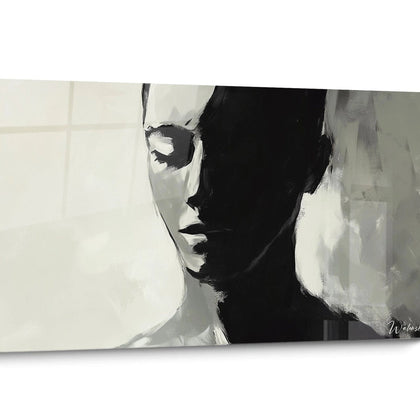 Paintings inspired by Amedeo Modigliani12
artworks
-
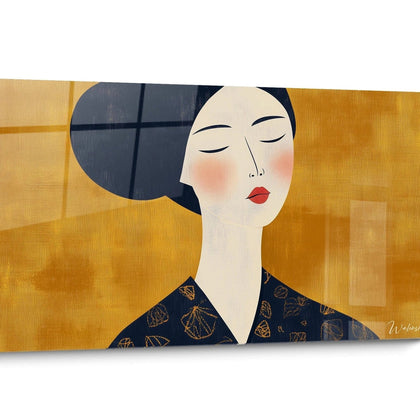 Colored Amedeo Modigliani Inspired Wall Art4
artworks
-
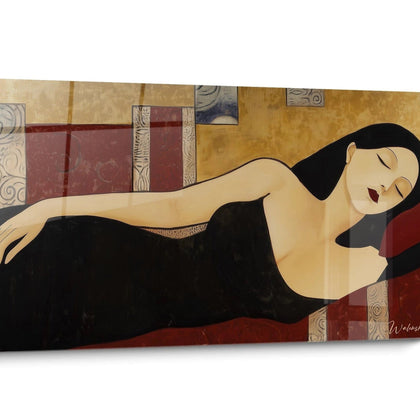 Amedeo Modigliani Inspired Golden Wall Art3
artworks
-
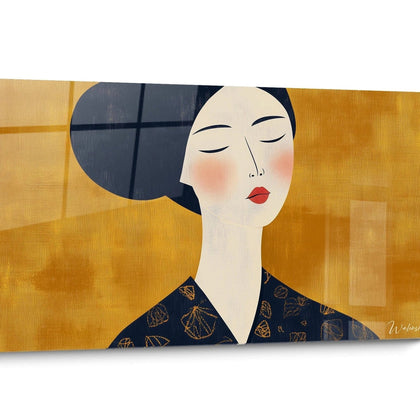 Minimalist Amedeo Modigliani Inspired Wall Art5
artworks
-
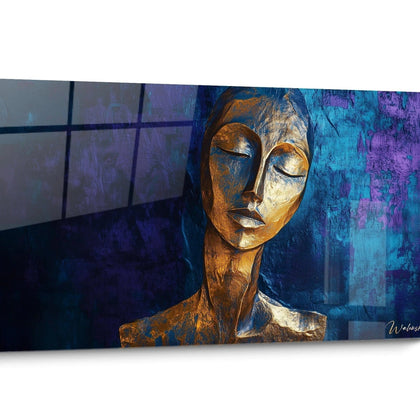 Amedeo Modigliani Inspired Painting Expressionist Portrait5
artworks
-
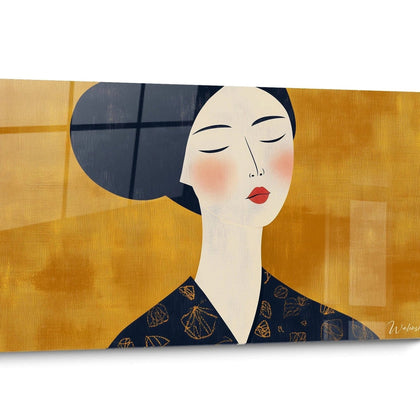 Amedeo Modigliani Inspired Painting Contemporary Portrait6
artworks
All about Amedeo Modigliani Portrait Inspired Wall Art
- Painting Presentation Portrait Modigliani
- Italian Modernist Influence
- Stylistic Anatomy of Portraits
- Decorative Integration of Epoch
A painting inspired by Amedeo Modigliani Portrait embodies the essence of early 20th-century European modernism, characterized by a revolutionary approach to human representation. These large-scale wall compositions capture the visual legacy of the Italian master, instantly recognizable by his elongated faces, slender necks, and enigmatic gazes. Designed for refined residential spaces or cultured professional environments, these imposing wall creations instantly transform the atmosphere of a room into a private art gallery. Acquiring such a decorative piece represents a significant aesthetic investment for lovers of modern art wishing to affirm their artistic sensibility and their knowledge of European cultural history.
The Bohemian Parisian Legacy in Contemporary Portrait Representation
The painting inspired by Amedeo Modigliani Portrait transports the viewer to the effervescent artistic universe of Montparnasse in the 1910s-1920s, a period when the Livournese artist revolutionized the representation of the human face. These large-format reproductions preserve the characteristic melancholic intensity of his models, often women with features sculpted by geometric simplification. The visual impact generated by these imposing dimensions creates an almost living presence in the living space, radically transforming the spatial perception of a library or architect's office.
Why do anatomical elongations create a lasting fascination?
The characteristic deformations visible on a painting inspired by Amedeo Modigliani Portrait are not mere stylistic liberties but embody a philosophical aesthetic . The vertical stretching of faces and necks evokes both primitive African statuary and Byzantine madonnas, a cultural synthesis that particularly fascinates contemporary collectors sensitive to intercultural dialogue. This immediately recognizable visual signature confers intellectual sophistication on the interior decor, instantly signaling the owner's in-depth knowledge of art history.
The earthy color palette as a marker of modernist authenticity
Unlike Fauvist or Expressionist color explosions, the painting inspired by Amedeo Modigliani Portrait favors a restricted range of ochres, reddish browns, and warm grays. This intentional chromatic sobriety paradoxically amplifies the emotional charge of the model's gaze, creating a disturbing psychological intimacy between the work and the viewer. In contemporary interiors dominated by neutral tones and natural materials, these earthy harmonies integrate remarkably well, while bringing the historical depth sought by discerning buyers. To enrich this chromatic dimension, a painting inspired by Amedeo Modigliani Colored can offer a vibrant alternative while preserving the characteristic stylistic spirit.
The deliberate absence of eye details as an expressive strategy
A troubling element for novices, the eyes often empty or simplified in a painting inspired by Amedeo Modigliani Portrait, actually constitute the heart of its evocative power. This calculated omission transforms each portrait into a psychological mirror where the viewer projects their own emotions and interpretations. For high-end therapeutic spaces, contemporary psychoanalysis practices, or the primary residences of intellectuals, this characteristic generates a contemplative atmosphere conducive to introspection, a decorative functionality rarely offered by other artistic styles.
Decoding the Visual Codes Specific to Portrait Compositions
Investing in a painting inspired by Amedeo Modigliani Portrait requires a fine understanding of the compositional principles that distinguish these works from academic or impressionistic portraits. The pronounced vertical structuring naturally creates an effect of spatial elevation particularly suited to narrow walls or architectural spaces with high ceilings. This intentional verticality harmonizes perfectly with contemporary wall libraries, grand staircases, or professional reception hallways, areas often difficult to decoratively enhance.
How does formal simplification amplify emotional charge?
Unlike hyperrealistic portraits that exhaust the gaze through the accumulation of details, a painting inspired by Amedeo Modigliani Portrait works by calculated subtraction. Each line, each curve represents a carefully considered aesthetic decision, eliminating the superfluous to reveal the psychological essence of the subject. This economy of means generates a contemplative intensity that remarkably resists the visual wear and tear of everyday life, a primordial quality for a large-scale decorative investment intended to last through the decades without fatigue.
Monochromatic backgrounds as amplifiers of figurative presence
The background, generally unified and stripped, constitutes an essential technical signature of a painting inspired by Amedeo Modigliani Portrait. This compositional strategy literally projects the subject forward from the pictorial plane, creating an illusion of proximity almost unsettling to the observer. In modern residential environments with white walls or minimalist tones, this simplification of the background allows for a fluid decorative integration while maintaining a defined visual presence, a balance difficult to achieve with more loaded or narrative compositions.
The posture of the models as timeless body language
Beyond the faces, a painting inspired by Amedeo Modigliani Portrait is distinguished by the characteristic gesture of the subjects represented: hands delicately placed, busts slightly inclined, a general attitude oscillating between melancholic abandonment and silent dignity. This universal body language transcends eras and cultures, making these compositions particularly suitable for international spaces, diplomatic offices, character hotels, or the residences of cosmopolitan collectors. The intuitive reading of these postures requires no specific cultural learning, facilitating their acceptance in various contexts.
Integration Strategies in Cultivated Residential Environments
Acquiring a large-scale painting inspired by Amedeo Modigliani’s Portrait fundamentally transforms the decorative dynamics of a living space. These imposing wall art pieces work ideally as a unique focal point rather than an accumulation element, a philosophy that perfectly aligns with current trends in minimalist and intentional interior design. Domestic libraries, music rooms, entrance halls in Haussmannian apartments, or renovated industrial lofts constitute environments naturally receptive to this European aesthetic steeped in cultural history.
What furniture pieces harmonize with this modernist aesthetic?
A painting inspired by Amedeo Modigliani’s Portrait dialogues exceptionally well with mid-20th century furniture, a period that shares its vocabulary of refined forms. Scandinavian wooden bent armchairs, sofas with simplified geometric lines, solid walnut coffee tables create natural visual correspondences with the formal simplifications characteristic of these portraits. This intergenerational stylistic coherence greatly facilitates the creation of interiors where every element seems to have been selected according to a unified aesthetic logic, a result sought by professional decorators and their demanding clients.
The importance of textural associations in perceptual enhancement
The relatively smooth pictorial surface and subtle modeling of a painting inspired by Amedeo Modigliani’s Portrait gain perceptual depth when counterbalanced by contrasting tactile textures in the immediate environment. Berber rugs with geometric patterns, washed linen curtains, raw oak bookshelves create a rich sensory experience that prevents the space from tipping into intellectual austerity. This textural stratification transforms the decorative experience from a simple visual contemplation into a multisensory immersion, adding a warm dimension to modernist formal rigor.
Synergistic artistic pairings for coherent wall collections
For collectors wishing to develop a consistent decorative ensemble, a painting inspired by Amedeo Modigliani’s Portrait naturally pairs with vintage black and white photographs, German Expressionist engravings, or African primitive sculptures. These juxtapositions create historical and cultural dialogues that enrich the reading of each individual piece, transforming the wall into a veritable domestic museum installation. High-end professional reception areas, private galleries, or apartments of discerning collectors particularly benefit from these sophisticated curation strategies.
Is a painting inspired by Amedeo Modigliani’s Portrait suitable for contemporary professional spaces?
Absolutely. These compositions bring immediate cultural legitimacy to law firms specializing in intellectual property, offices of heritage architects, premium coworking spaces, or high-end medical clinics. Their instant recognition by a cultured clientele creates a conversational common ground while subtly signaling the establishment's quality positioning.
How to preserve the chromatic intensity of a painting inspired by Amedeo Modigliani’s Portrait over the years?
The characteristic earthy tones exhibit a remarkable chromatic stability compared to contemporary synthetic pigments. Positioning away from prolonged exposure to ultraviolet rays, combined with a moderately variable humidity environment, guarantees optimal preservation. Controlled spectrum LED lighting systems are the preferred choice of conservators to enhance these works without accelerating their aging.
What psychological influence does a painting inspired by Amedeo Modigliani Portrait exert in a daily living space?
The characteristic contemplative melancholy of these portraits generates an atmosphere conducive to introspection and intellectual concentration. Unlike dynamic or narrative compositions that constantly solicit attention, these silent faces discreetly accompany daily activities while offering moments of contemplative pause when the gaze rests upon them. This meditative quality explains their growing popularity in living spaces intended for reading, writing, or creative reflection.
Further reading
Our articles on this topic
- Elongated face painting inspired by Modigliani: which room should you hang it in?
- How to Pair a Modigliani-Style Female Nude Painting with a Contemporary Interior
- Ochre and sienna earth: the pigment palette that defines Modigliani's portraits
- Modigliani long-neck face painting: how to compose an adult bedroom wall
- Modigliani on the wall: which colour to choose depending on the artwork and the room
- Baroque Portrait Painting of a Noble Man: The Centerpiece of a Classic Living Room
L'art qui suscite l'envie
Maison belge d'art mural grand format
14 jourspour changer d'avis*
Protection Walenskyincluse
Fabriquéen Italie
FormatXXL
Kit de fixationtoujours fourni
* Hors tableaux personnalisés et tailles personnalisées


