

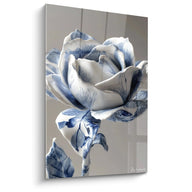


Asian Medical Office Wall Art
The Painting for doctor's office Asian brings serenity and harmony to your professional space. This sublime collection combines traditional oriental art with the needs of modern medical environments. Zen bamboos, cherry blossoms, soothing landscapes and inspiring calligraphy create a relaxing atmosphere for waiting rooms. Ideal for health clinic wall decoration, these works reassure your patients and promote their well-being from their arrival.
 Under the Leaves Wall Art, a Poetry - Zen Koi Edition$249.90
 Wall Art In the Silence of the Reeds - Japanese Asia Edition$249.90
 Asian wall art No. 1 - Asia Edition$249.90
 Flower Wall Art - Asia Edition$249.90
 River of Dreams Wall Art - Asia Edition$249.90
 Flower Garden Wall Art - Asia Edition$249.90
 Petals Poetry Wall Art - Asia Edition$249.90
 Perfect Balance Artwork - Asia Edition$249.90
 Koi Dance Wall Art - Asia Edition$249.90
 Spring Softness Wall Art - Asia Edition$249.90
 Mist and Cherry Blossoms Wall Art - Asia Edition$249.90
 High Perch Wall Art - Asia Edition$249.90
Explore further
In Asian Medical Office Wall Art
-
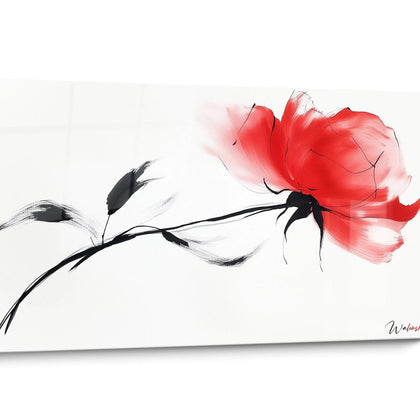 Wall Art for Medical Office100
artworks
-
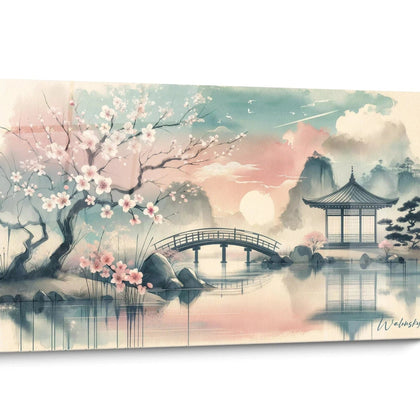 Wall Art for Zen Medical Office24
artworks
-
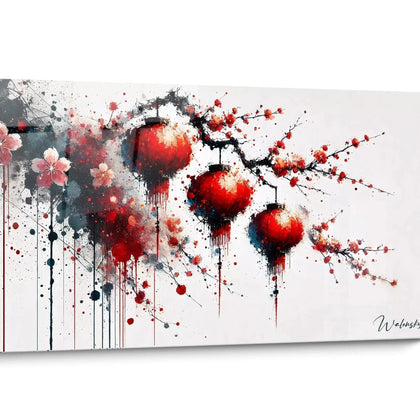 Medical Office Wall Art Watercolor8
artworks
-
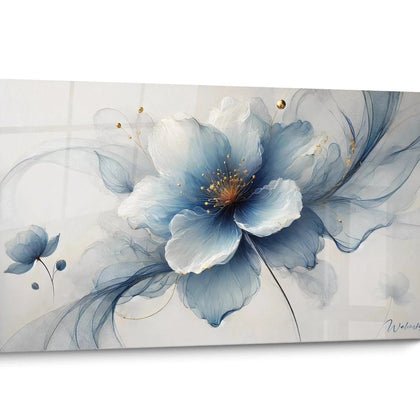 Abstract Wall Art for Medical Office17
artworks
-
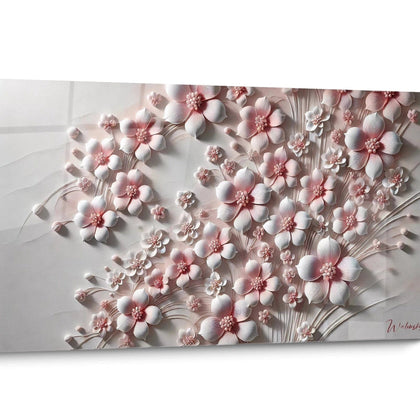 Wall Art for Medical Office Flower24
artworks
-
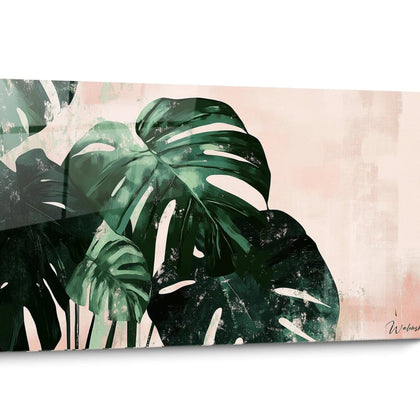 Wall Art for Doctor's Office Nature24
artworks
-
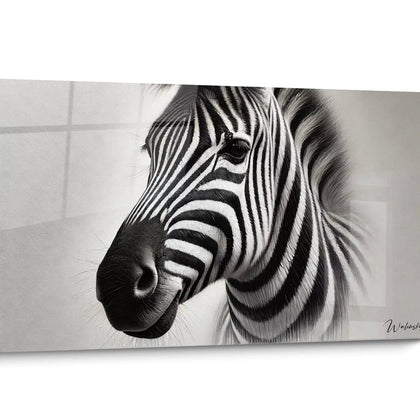 Minimalist Medical Office Wall Art22
artworks
-
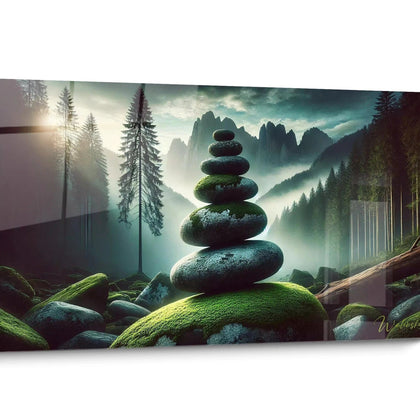 Mountain Wall Art for Medical Practice8
artworks
-
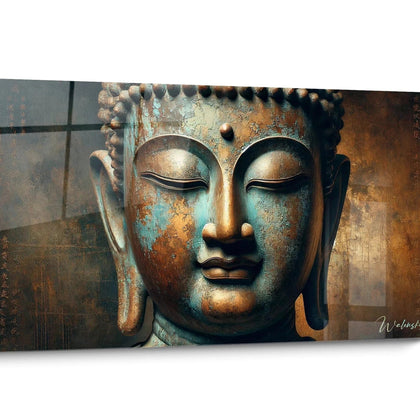 Buddha Wall Art for Medical Office9
artworks
-
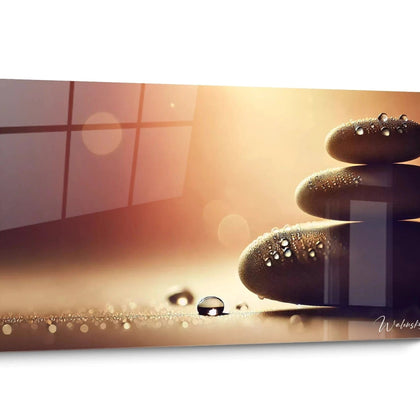 Wall Art for Doctor's Office Gold16
artworks
All about Asian Medical Office Wall Art
- Asian Paintings Presentation
- Oriental Medical Symbolism
- Patient Soothing
- Professional Zen Ambiance
Paintings for doctor's office Asian represent a decorative approach deeply rooted in Eastern philosophies of care and harmony. These large-scale wall creations transform the medical environment by integrating representations inspired by Japanese, Chinese, Korean, or Vietnamese culture. Whether it's zen mountain landscapes, bamboo gardens, cherry blossom floral compositions, or authentic Asian calligraphy, each visual promotes a climate conducive to physical and mental well-being. For practitioners wishing to enrich their decor with other complementary visual approaches, exploring abstract paintings for doctor's office can offer an interesting decorative diversity.
The influence of traditional Asian medicine in the care environment
A painting for doctor's office Asian creates a visual bridge between Western therapeutic approaches and Eastern health philosophies millennia old. Compositions representing elements such as yin and yang, the five elements (wood, fire, earth, metal, water), or energy meridians subtly recall the foundations of acupuncture and Chinese medicine. This cultural connection is particularly relevant for practitioners practicing integrative approaches or welcoming a patient base sensitive to complementary medicines.
How do Asian symbols influence the perception of the doctor's office?
Eastern iconographies convey messages of longevity, balance and vitality that deeply resonate with the medical mission. A large format representing Japanese cranes symbolizes longevity, while lotuses evoke rebirth and purification. Bamboo compositions embody resilience and flexibility - essential qualities in the healing journey. These cultural references unconsciously enrich the patient experience by creating positive associations with health.
Adaptation to specialized oriental medical practices
For acupuncture clinics, traditional Chinese medicine, or shiatsu, a painting for Asian doctor's office reinforces the aesthetic and conceptual coherence of the space. Stylized acupuncture point representations, energy flows, or contemporary zen gardens visually anchor the legitimacy of these practices. These large-scale visuals function as subtle educational tools, familiarizing patients with energetic concepts while preserving a professional atmosphere.
What Asian philosophies are relevant in a medical context?
Japanese wabi-sabi celebrating the beauty of imperfection finds a particular echo in the acceptance of non-linear healing processes. The Chinese concept of qi (vital energy) is visually materialized through fluid and dynamic compositions. The philosophy of ma (Japanese empty space) is translated into minimalist compositions that favor mental clarity - a valuable asset in medical environments often charged with anxiety.
Reducing pre-consultation stress through oriental aesthetics
Medical waiting rooms frequently generate high levels of anticipatory anxiety. A large-scale Asian painting for doctor's office acts as a soothing focal point diverting attention from health concerns. Japanese zen garden scenes, with their balanced compositions of rocks, raked sand, and sparse vegetation, induce meditative contemplation, measurably reducing heart rate and blood pressure in waiting patients.
Why do Asian landscapes promote medical relaxation?
Representations of misty Chinese mountains or temples in the haze create a visual depth inviting mental travel - a psychological escape mechanism particularly effective before a stressful consultation. These large-format panoramas establish an extended spatial perspective contrasting with the confinement often felt in medical spaces. Cherry blossom compositions evoke ephemeral beauty and seasonal renewal, offering a comforting philosophical perspective to patients facing difficult diagnoses.
The impact of traditional Asian colors on emotional state
Eastern color palettes favor specific hues with documented psychological effects. The cerulean blues of Chinese porcelain lower blood pressure and slow metabolism, creating a state of physiological calm. Jade greens evoke restorative nature while symbolizing health in Chinese tradition. Touches of vermilion red, used sparingly, stimulate vital energy without causing agitation - a delicate balance particularly suited to care environments.
How do repetitive Asian motifs influence the perception of waiting time?
Japanese ornamental compositions (seigaiha, asanoha, kikko) create hypnotic visual rhythms that subjectively alter the perception of time. These organic geometric motifs, presented in large format, capture attention without saturating it, making waiting less unpleasant. Compositions of stylized waves recall natural cycles and fluidity - reassuring concepts in the often rigid and procedural medical context.
Building a distinctive professional identity through Eastern art
In a standardized medical sector, a large Asian wall art painting for a doctor's office establishes a memorable visual signature differentiating the practitioner. This aesthetic personalization communicates specific professional values: holistic approach, intercultural sensitivity, openness to complementary therapeutic traditions. Patients actively seeking these characteristics immediately identify these visual signals as indicators of compatibility with their care expectations.
The strategic positioning of Eastern compositions in medical space
The optimal placement of a large-format Asian visual varies depending on therapeutic objectives. In consultation rooms, a composition behind the practitioner establishes an authoritative backdrop tinged with millennial wisdom, subtly reinforcing credibility. In care areas (examination rooms, treatment zones), a visual facing the patient provides a fixation point during uncomfortable procedures, functioning as a visual anchor reducing the perception of pain.
What is the ideal dimension to maximize therapeutic impact?
Monumental formats (minimum 120x80 cm) create an immersive presence transforming the environment qualitatively rather than simply decorating it. These dimensions allow for appreciation of subtle details - veins of bamboo leaves, texture of rice papers, atmospheric gradations in mountain landscapes - inviting prolonged observation with meditative virtues. This visual scale also communicates an investment in the patient experience, signaling that the practitioner values the care environment beyond its strict medical functionality.
How to harmonize several Asian decorative elements without visual overload?
The Japanese principle of ma (spatial interval) guides the balanced arrangement. A monumental Asian visual functions as a unique centerpiece around which discreet complementary elements are organized: ceramic planters, sleek shoji screens, minimalist ikebana floral arrangements. This curatorial approach avoids thematic saturation while maintaining a sophisticated oriental aesthetic coherence.
Frequently asked questions about paintings for an Asian medical office
Is a painting for an Asian medical office suitable for all medical specialties?
These creations are particularly well-suited to specialties that value a holistic approach to the patient: general medicine, psychiatry, geriatrics, integrative medicine, supportive oncology. Disciplines where the therapeutic relationship and stress reduction are central components benefit maximally from this soothing and philosophically rich aesthetic.
Are Asian representations likely to be perceived as cultural appropriation in a Western medical office?
When selected with cultural sensitivity and authentic respect for the traditions represented, these works testify to an inter-cultural openness that is appreciated. Prioritizing compositions evoking universal concepts (nature, balance, serenity) rather than specific religious symbols minimizes misunderstandings while preserving the oriental aesthetic essence.
What is the recommended renewal frequency to maintain the visual impact of a painting for an Asian medical office?
Unlike ephemeral decorative trends, the Asian aesthetic tradition possesses a conceptual timelessness allowing for a prolonged presence without perceived obsolescence. A renewal every 3-5 years is sufficient, favoring rotation between seasons (spring cherry blossoms, summer bamboos, autumn maples, winter landscapes) to maintain visual freshness while preserving overall thematic consistency.
Further reading
Our articles on this topic
- How to Choose Wall Art Suitable for a Multicultural Patient Base?
- Digital screen painting or traditional painting: which should you choose for a practice?
- What kind of painting to enhance an aging waiting room while awaiting renovation?
- Which wall art suits physiotherapy or osteopathy practices?
- Painting with mat border or edge-to-edge: what visual effect in a medical practice?
L'art qui suscite l'envie
Maison belge d'art mural grand format
14 jourspour changer d'avis*
Protection Walenskyincluse
Fabriquéen Italie
FormatXXL
Kit de fixationtoujours fourni
* Hors tableaux personnalisés et tailles personnalisées


