


Black and White Expressionist Face Wall Art
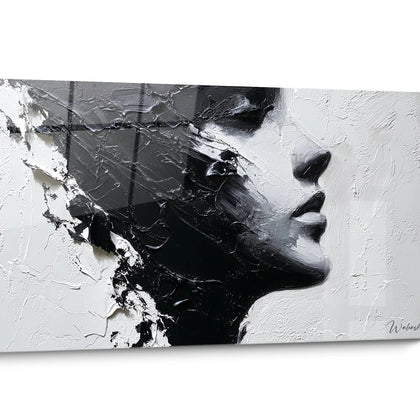
The Painting black and white Expressionist captures the intensity of human emotions through striking portraits. This collection reveals the dramatic power of monochrome expressionist art, where each face tells a deep and unsettling story. Marked contrasts, accentuated features, and the strength of expressions create a captivating atmosphere. Ideal for lovers of contemporary emotional art, this collection transforms your interior into a gallery of authentic and timeless emotions.
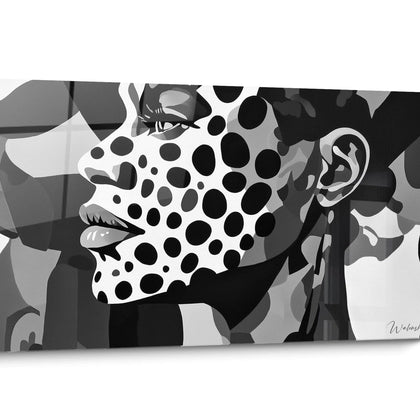
 Abstract Women's Wall Art - Silent Melody - Black and White Face Edition$499.90
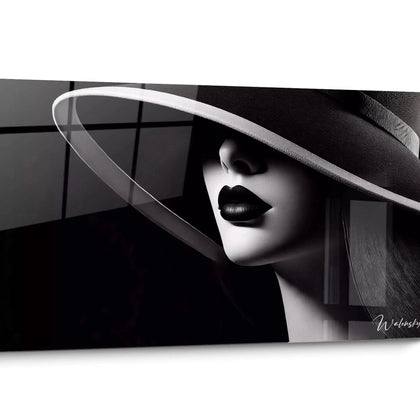
 Female Profile Wall Art - Expressionist Abstract Portrait - Black and White Face Edition$559.90
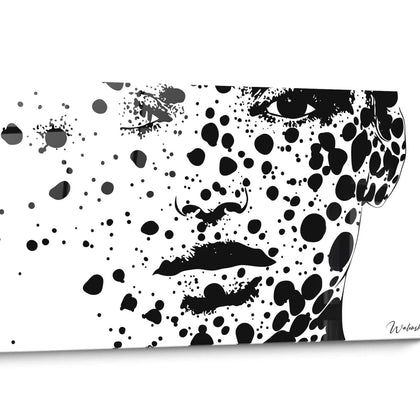
 Expressive Women's Portrait Wall Art - Melancholy - Black and White Face Edition$499.90
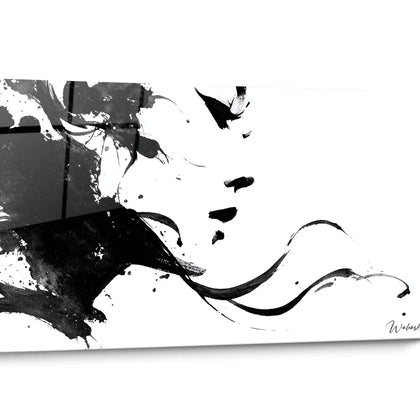
 Abstract Woman Face Wall Art - Fluid Expression - Black and White Face Edition$559.90
Explore further
In Black and White Expressionist Face Wall Art
All about Black and White Expressionist Face Wall Art
- Painting Presentation Black and White Face Expressionist
- Emotional Intensity and Distortion
- Dramatic Contrast and Graphics
- Psychological Impact in Large Format
A face painting black and white expressionist radically transforms the atmosphere of an interior through its ability to project raw emotional intensity. This form of wall art favors the intentional distortion of features, the exaggeration of facial expressions, and the exclusive use of monochrome shades to create a visual tension that immediately captures the eye. Unlike conventional representations, these wall creations exploit anatomical distortion as an expressive language, generating a silent but powerful dialogue with the viewer. Large formats amplify this emotional charge, establishing a quasi-physical presence in the space that is particularly suitable for contemporary environments seeking psychological depth rather than simple decoration.
Facial Expressionism: When Distortion Becomes Language
The black and white expressionist face painting is fundamentally distinguished by its deliberate rejection of faithful representation. Facial features undergo an intentional metamorphosis where eyes can enlarge disproportionately, mouths twist into extreme expressions, and the contours of the face adopt protruding angles that defy natural anatomy. This artistic approach prioritizes the transmission of raw emotional states rather than photographic resemblance, creating wall art that communicates directly with the observer's subconscious.
How does expressionist distortion amplify the emotional impact of a wall portrait?
The exaggeration of facial features functions as an emotional amplifier that transcends the limits of realism. Expressionist paintings in black and white exploit this distortion to project anguish, melancholy, ecstasy, or rage with an intensity impossible to achieve through naturalistic representation. Large wall formats transform this approach into an immersive experience where every broken line, every accentuated shadow participates in the construction of a psychological narrative. For collectors seeking monumental wall works, this aesthetic offers a radical alternative to conventional portraits, particularly suitable for industrial lofts, private galleries, or spaces for reflection where art must provoke rather than soothe.
Expressive gesture in facial composition
Each black and white expressionist face painting bears the mark of an energetic gesture where the line becomes emotional graphics. Expressionist artists favor visible brushstrokes, apparent textures, and abrupt contrasts that give the face a sculptural materiality. This approach generates wall art of remarkable physical presence, where one perceives the creative movement behind each distortion. Minimalist architectural spaces particularly benefit from this visual tension, the monochrome allowing for harmonious integration while maintaining maximum expressive force. Paired with an abstract black and white face painting, this style creates captivating visual dialogues that enrich the narrative depth of a wall collection.
Why choose an expressionist portrait for a high-end professional environment?
Executive offices, architectural firms, and psychological consultation spaces find in these distorted facial representations a unique tool for spatial characterization. A large-scale black and white expressive painting communicates both intellectual sophistication and emotional sensitivity, avoiding conventional decorative clichés. The chromatic restriction guarantees timeless elegance compatible with various interior palettes, while the expressive intensity affirms the unique identity of the place. These works function as visual statements that position the space in a demanding cultural dimension, signaling to visitors a thoughtful approach to environmental aesthetics.
The Power of Monochrome Contrast in Facial Expressionism
The exclusive use of black and white in an expressive facial painting is far more than a simple aesthetic choice: it represents a deliberate visual strategy that intensifies the dramatic charge of the work. By eliminating any chromatic distraction, these wall creations concentrate attention on the play of light and shadow, abrupt transitions between light and dark areas, and the graphic construction of the face as emotional architecture. This palette restriction transforms each contrast into a narrative element, each shadow area into a psychological space.
The visual architecture of expressionist shadows
Black and white expressionist paintings exploit shadows not as a simple effect of depth, but as a structural component of facial expression. Dark areas can invade half of the face, creating dramatic asymmetries that symbolize inner dualities, psychological conflicts, or emotional transitions. This approach generates wall art of remarkable visual complexity that is revealed progressively according to the angle of observation and the natural variations in light within the space. For collectors investing in monumental pieces, this evolving dimension guarantees a constant renewal of the visual experience, the artwork literally transforming over the hours and seasons.
Which spaces benefit most from a large black and white expressive facial painting?
Architecturally high-verticality environments take exceptional advantage of these monumental facial representations. Contemporary stairwells, main walls of cathedral-like living rooms, and generous entrance spaces find in these expressionist artworks a decorative solution that responds to the spatial scale without falling into visual overload. The natural vertical format of a face adapts perfectly to slender wall surfaces that are difficult to dress, while the black and white restriction maintains visual consistency even in imposing volumes. Private galleries and domestic exhibition spaces frequently use these paintings as anchor pieces around which the entire wall scenography is organized.
Visual texture as an additional dimension
Beyond the facial composition itself, black and white expressionist face paintings create a textural richness that adds a tactile dimension, almost palpable. Variations in black density, subtle gradations to gray, and brutal transitions to white generate a visually complex surface that captures and reflects light differently depending on the areas. This material quality transforms the work into a structural element in its own right, capable of influencing the volumetric perception of space. Converted industrial interiors, with their raw surfaces and generous volumes, find in these wall creations an ideal complement that dialogues with the authenticity of the existing architecture while introducing contemporary cultural sophistication.
Monumental Dimensioning and Psychological Presence
The impact of a black and white expressionist face painting multiplies exponentially when dimensions reach a monumental scale. A large-scale expressionist portrait establishes an almost physical relationship with the viewer, creating a stylized human presence that fundamentally transforms the spatial dynamics. This direct visual confrontation with a distorted face at a size larger than life generates an intense emotional experience, particularly sought after in high-end cultural, therapeutic, or residential spaces where art must provoke an authentic reaction rather than serve as a simple decorative background.
How does a large format change the expressionist perception?
When a distorted expressionist face reaches imposing wall dimensions, each distortion becomes monumental, each exaggerated expression transforms into a dominant visual event. Details that might be overlooked in a modest format become structuring elements of the spatial experience: an excessively enlarged eye becomes an architectural focal point, a twisted mouth in extreme expression creates a visual guideline that organizes the entire room. This dimensional amplification is particularly suitable for collectors seeking declarative wall artworks capable of defining the complete aesthetic identity of a space. Lofts, penthouses, and architect-designed residences frequently use these monumental pieces as a distinctive visual signature.
The emotional interaction with a monumental expressionist portrait
Large black and white expressionist face paintings create a unique psychological dynamic where the work seems to observe the viewer, reversing the traditional contemplative relationship. This visual reciprocity, amplified by expressionist distortions and dramatic contrasts, transforms the space into an emotionally charged environment. Psychoanalysis offices, contemporary meditation spaces, and private art galleries exploit this dimension to create environments conducive to introspection and reflection. The monochrome reinforces this meditative quality by avoiding chromatic stimulation, allowing exclusive concentration on the expressive and psychological dimension of the facial representation.
Collection strategies for expressionist art enthusiasts
Collectors developing a wall gallery around facial expressionism benefit from the natural visual consistency of black and white, allowing the association of multiple artworks without chromatic conflict. An effective strategy is to vary expressive intensities: pairing a painting with extreme distortion with more subtle representations creates a captivating narrative progression. Circulation spaces such as hallways or halls gain cultural depth when presenting a sequence of expressionist portraits that accompany physical movement. For major acquisitions, prioritize monumental formats as anchor pieces to ensure maximum impact while establishing a clear visual hierarchy that structures the entire wall collection.
Is a black and white expressionist facial painting suitable for minimalist Scandinavian interiors?
Absolutely, the chromatic restriction integrates perfectly with clean Nordic palettes, while the expressive intensity provides the necessary visual tension to avoid blandness. The contrast between architectural minimalism and emotional expressionism creates a sophisticated aesthetic dialectic particularly appreciated in contemporary Scandinavian design.
What viewing distance do you recommend to fully appreciate a large expressionist facial painting?
Monumental formats require a viewing distance equivalent to 1.5 to 2 times the diagonal of the artwork for optimal overall perception. However, the interest of these creations also lies in the close observation that reveals textural and gestural details, justifying placement in spaces allowing different approach distances.
Do black and white expressionist face paintings lose their impact in brightly lit spaces?
On the contrary, generous lighting accentuates dramatic contrasts and reveals the textural richness of intermediate gray areas. Monochrome expressionism remarkably withstands direct light, unlike colored works susceptible to visual saturation. Spaces bathed in natural light even amplify the sculptural dimension of pronounced contrasts.
Further reading
Our articles on this topic
- German Expressionist Prints: Emotional Violence in Monochrome
- Expressionist face painting in warm tones: elevate your dining room
- Which Expressionist Painting to Choose for a Minimal Contemporary Living Room?
- What difference in visual salience exists between a black object in a painting and the same object in color?
- The Emotional Impact of a Custom Artwork
- Hyperrealism portrait painting in black and white for an adult bedroom: which face for which mood
L'art qui suscite l'envie
Maison belge d'art mural grand format
14 jourspour changer d'avis*
Protection Walenskyincluse
Fabriquéen Italie
FormatXXL
Kit de fixationtoujours fourni
* Hors tableaux personnalisés et tailles personnalisées


