


Dadaism Cubist Wall Art
Discover our Dadaism Cubistcollection, a bold fusion between two revolutionary 20th-century movements. Each artwork celebrates geometric cubist deconstruction while integrating the provocative Dada spirit. These wall creations transform your spaces with an avant-garde Dada aesthetic, combining fragmented forms, multiple perspectives, and artistic irony. Perfect for lovers of contemporary art seeking sophisticated and intellectual wall decor.
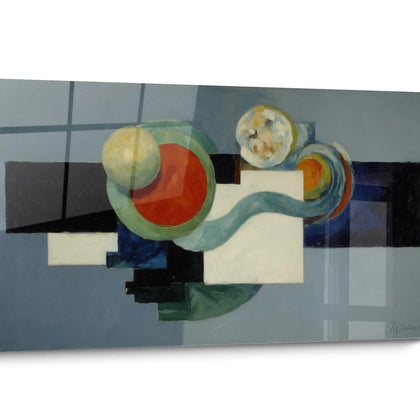
 Boat wall art Spontaneous Drift - Dadaism edition$499.90
 Portrait Fragmented Spirit Wall Art - Dadaism Edition$499.90
 Colorful Shipwreck Wall Art - Dadaism Edition$499.90
 Portrait wall art Fragmented Introspection - Dadaism edition$499.90
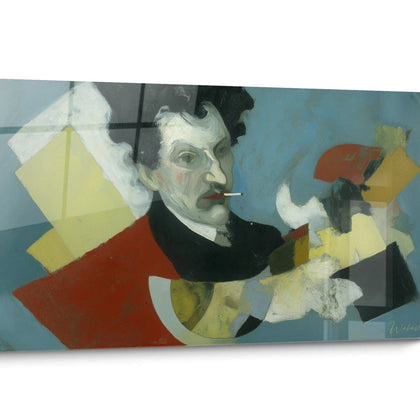
 Smoking Man Cubist Wall Art - Dadaism Edition$499.90
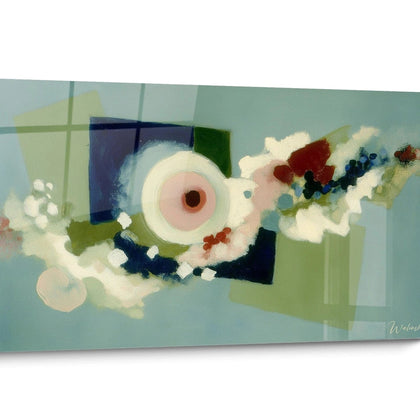
 Abstract Forms Cubist Mist - Dadaism Edition$499.90
 Portrait wall art blurred identity - dada edition$559.90
 Village wall art anarchist tones - dada edition$559.90
 Woman Dissolved Words Wall Art - Dadaism Edition$559.90
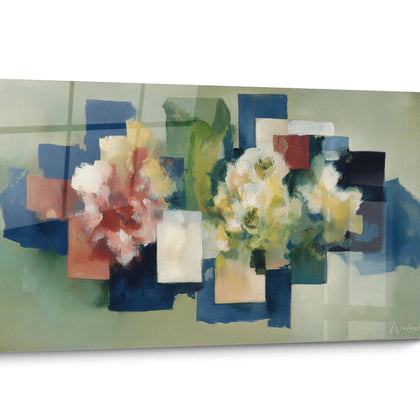
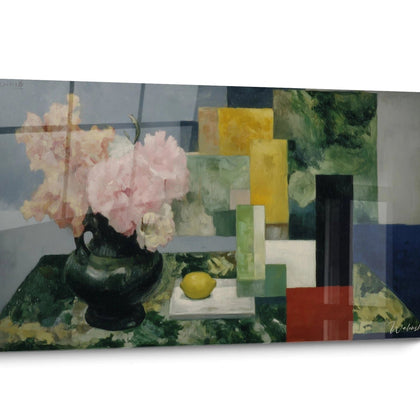
All about Dadaism Cubist Wall Art
- Presentation Painting Dadaism Cubism
- Artistic synergies between movements
- Visual dynamics and geometric structures
- Contemporary architectural integration
A dadaism cubism painting represents an exceptional fusion between two revolutionary movements of the early 20th century that overturned artistic conventions. This convergence between cubist analytical deconstruction and the subversive spirit of Dadaism creates monumental wall compositions that simultaneously challenge spatial perception and established aesthetic norms. These hybrid creations integrate the characteristic geometric fragmentation of analytical cubism while incorporating the irony, chance, and provocation typical of Dadaism, generating visually complex works that stimulate the intellect as much as the eye. The alliance of these two seemingly contradictory aesthetics produces surprising results where structural rigor meets deliberate absurdity, creating a unique visual language particularly suited to bold architectural interiors and innovative professional spaces.
The Explosive Encounter between Analytical Cubism and Dadaist Provocation
The painting dadaism cubism embodies a creative tension between two artistic philosophies that shared the same era but defended radically different visions. This hybridization generates compositions where fragmented geometric planes, inherited from Picasso and Braque, overlap with iconoclastic elements and typically Dadaist conceptual collages. This synthesis creates exceptional visual dynamism, particularly effective for large-scale wall formats that amplify the impact of this aesthetic duality.
How does this fusion transform traditional spatial perception?
Integrating a dadaism cubism painting into an architectural space generates a calculated visual disruption that forces the eye to constantly reconsider depth, perspective, and narrative logic. Geometric facets multiply simultaneous viewpoints while Dadaist interventions introduce conceptual ruptures, creating a visual experience in perpetual motion. This characteristic is particularly powerful in circulation spaces where physical movement amplifies the fragmented perception of the work.
The aesthetics of assumed contradiction
These monumental creations deliberately exploit the contradictions between cubist order and Dadaist chaos to generate a visual energy that maintains attention and stimulates reflection. Rigorous geometric structures paradoxically serve as a framework for absurd interventions, creating a fascinating visual dialectic. To further explore the possibilities of abstract Dadaism, discover how the painting dadaism abstract pushes this logic of formal deconstruction even further by eliminating any residual figurative reference.
Chromatic strategies in stylistic hybridization
The color palette of a dadaism cubism painting generally oscillates between the monochrome sobriety inherited from analytical cubism and the insertions of bright or discordant colors typical of Dadaist provocations. This colorimetric tension reinforces the contradictory dynamics of the whole while allowing for flexible adaptation to contemporary environments, whether minimalist or eclectic. Large formats considerably amplify the impact of these strategic color choices.
Visual Architecture and Multidimensional Deconstruction
A painting of large-scale Cubist Dadaism functions as a complex visual architecture where each geometric fragment contributes to a deliberately unstable overall structure. This paradoxical construction creates an effect of intellectual monumentality particularly sought after in exceptional professional spaces, converted industrial lofts, or contemporary residences embracing an avant-garde aesthetic. Reading these compositions requires active visual engagement that transforms the viewer into a participant.
Why prioritize monumental formats for this stylistic fusion?
Generous dimensions exponentially amplify the inherent conceptual power of the Dadaism-Cubism encounter. On an extended wall surface, the multiplication of fragmented planes and the dispersion of Dadaist elements create an immersive visual environment that far exceeds the experience of simple contemplation. This monumentality also allows for the integration of a compositional complexity impossible to deploy on restricted formats, generating a richness of detail that rewards prolonged observation.
Visual rhythms and gaze pathways
The composition of a Cubist Dadaism painting strategically orchestrates eye movement through calculated rhythmic breaks. Geometric edges initially direct the gaze along structured trajectories, while Dadaist interventions create unpredictable anchor points that break this ordered circulation. This alternation between formal guidance and conceptual surprise maintains sustained attention, transforming the wall surface into a renewed space for visual exploration with each observation.
Materiality and amplified physical presence
These hybrid creations take advantage of their imposing physical presence to establish immediate visual authority within the architectural space. The Cubist fragmentation generates a dense visual texture while Dadaist elements introduce perceived contrasts in materiality that enrich the tactile presence of the whole. This sensory density fully justifies the investment in generous formats that maximize the environmental impact of the work, particularly in contemporary architectural volumes with extended wall surfaces.
Strategic Positioning in Contemporary Architectural Environments
The successful integration of a painting of Cubist Dadaism into a contemporary architectural environment requires a thorough understanding of the interactions between visual fragmentation and spatial volumetry. These hybrid works function optimally in contexts where their conceptual complexity can dialogue with an affirmed architecture, whether minimalist to create maximum contrast or industrial to establish a stylistic resonance with exposed structures and raw materials.
Which professional spaces particularly benefit from this hybrid aesthetic?
Innovative professional environments – creative agencies, architecture firms, high-end coworking spaces, contemporary galleries – find in the Cubist Dadaism painting a visual expression perfectly aligned with their values of innovation and questioning. The intellectual sophistication of this stylistic fusion immediately communicates a bold corporate culture while stimulating the creativity of the occupants. Strategic reception areas and meeting rooms are privileged locations to maximize the representational impact of these monumental works.
Interactions with architectural lighting
The geometric complexity of a Dadaist Cubist wall art reacts in an exceptionally dynamic way to variations in architectural lighting. The fragmented facets generate plays of shadows and reflections that evolve according to the angle and light intensity, creating a work in perpetual visual transformation. Directed lighting accentuates this perceived dimensionality while changing natural light introduces a temporality into the work's experience, considerably enriching its environmental presence throughout the day.
Mobile complements and adjacent decorative choices
The immediate environment of a Dadaist Cubist wall art benefits from adopting a deliberate restraint to avoid visual saturation. Furniture with clean lines, whether classic modernist or contemporary minimalist, creates an effective counterpoint to the compositional density of the work. Raw materials – polished concrete, brushed steel, untreated wood – establish a relevant material resonance with the avant-garde spirit of this stylistic fusion, while subdued textiles allow the chromatic complexity of the wall art to express itself without competition.
FAQ: Frequently Asked Questions about Dadaist Cubist wall art
Is a Dadaist Cubist wall art suitable for residential interiors or only for professional spaces?
Although particularly well-suited to innovative professional environments, these hybrid works also find their place in contemporary residences assuming a bold aesthetic. Lofts, renovated Haussmann apartments with a contemporary approach, and architect-designed houses constitute ideal residential settings to welcome this visual sophistication, particularly in reception areas and personal libraries.
How does the perception of a Dadaist Cubist wall art evolve according to the distance of observation?
The compositional richness of these works generates radically different visual experiences depending on the distance. From afar, the overall structure and the large chromatic masses dominate, creating an immediate visual impact. At medium distance, the interactions between Cubist fragmentation and Dadaist interventions become readable, revealing the conceptual tension. Close observation finally reveals the subtleties of detail and the complexity of superimpositions, thus justifying the investment in generous formats that reward this multi-scale exploration.
What aesthetic durability for a Dadaist Cubist wall art in a contemporary interior?
Unlike ephemeral decorative trends, the Dadaism-Cubism fusion is part of the fundamental history of modern art, guaranteeing lasting aesthetic relevance. This historical legitimacy combined with timeless visual sophistication ensures that these works transcend trends without losing their impact or cultural relevance, constituting a particularly judicious long-term decorative investment for quality architectural environments.
Further reading
Our articles on this topic
- Picasso and Geometric Revolution in Contemporary Wall Design
- Cubism Artwork: The Perfect Touch for an Artistic and Stylish Teenager's Room
- Cubist painting for a professional office: how the cubist art movement elevates your workspace
- Why Does a Cubism Artwork Integrate So Well Into a Chic Industrial Open Kitchen?
- The Benefits of a Cubism Artwork for a Bold and Modern Scandinavian Decor
- Cubism Artwork: The Key to Transforming a High-End Contemporary Hotel Room
L'art qui suscite l'envie
Maison belge d'art mural grand format
14 jourspour changer d'avis*
Protection Walenskyincluse
Fabriquéen Italie
FormatXXL
Kit de fixationtoujours fourni
* Hors tableaux personnalisés et tailles personnalisées


