


Minimalist Wall Art for Medical Clinics
Our Painting for clinic Minimalist collection transforms your medical spaces into soothing and professional environments. Each artwork combines visual purity and chromatic softness, creating a serene atmosphere ideal for reassuring patients and practitioners. These minimalist paintings for medical offices prioritize soft lines and harmonious compositions. Perfect for waiting rooms, dental offices, or care centers, our contemporary medical artwork combines refined aesthetics and therapeutic function.
 Terracotta Wall Art No. 6 - Nature Edition$249.90
 White Rose Wall Art No.5 - Nature Edition$249.90
 Narcissus Wall Art No. 4 - Nature Edition$249.90
 Weeping Willow Wall Art No. 1 - Nature Edition$249.90
 Ginkgo Leaf Wall Art No. 3 - Nature Edition$249.90
 Eucalyptus Wall Art No. 1 - Nature Edition$249.90
 Ginkgo Leaf Wall Art No.1 - Nature Edition$249.90
 Arum Wall Art N°1 - Nature Edition$249.90
 Arum Wall Art N°2 - Nature Edition$249.90
 Inspired by Wanderer Above the Sea of Fog by Caspar David Friedrich No.3 Wall Art – Tribute to Famous Artist$249.90
 Sacred Purity Wall Art - Zen Lotus Flower Edition$249.90
 Inner Journey Wall Art - Feng Shui Zen Edition$249.90
 Ephemeral Stability Wall Art - Zen Feng Shui Edition$249.90
 Natural Harmony Wall Art - Diverse Zen Edition$249.90
 The Path of Awakening Wall Art - Diverse Zen Edition$249.90
 Simplicity Striped Wall Art - Zebra Animals Edition$249.90
 Brilliance of Purity Wall Art - Abstract Flower Edition$249.90
 Geometric Balance Wall Art - Abstract Cubism Edition$249.90
 Traced Botanic Wall Art - Nature Edition$249.90
 Vertiginous Quietude Wall Art - Zen Edition$249.90
 Minimalist Harmony Wall Art - Zen Edition$249.90
 Balance Pastel Wall Art - Zen Edition$249.90
Explore further
In Minimalist Wall Art for Medical Clinics
-
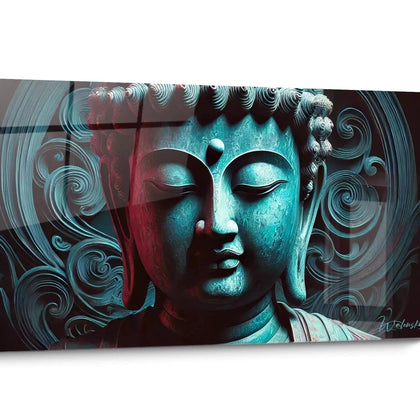 Artwork for Clinic100
artworks
-
 Watercolor Wall Art for Medical Clinic6
artworks
-
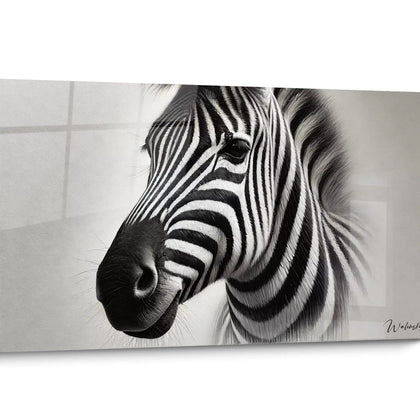 Black and White Medical Clinic Wall Art4
artworks
-
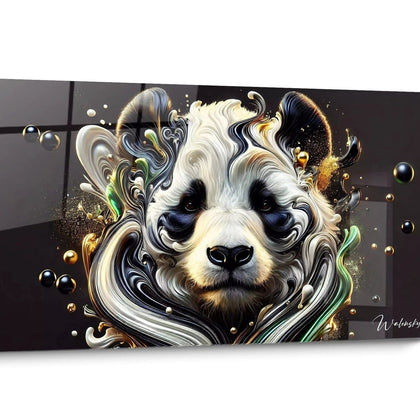 Abstract Art for Medical Clinics15
artworks
-
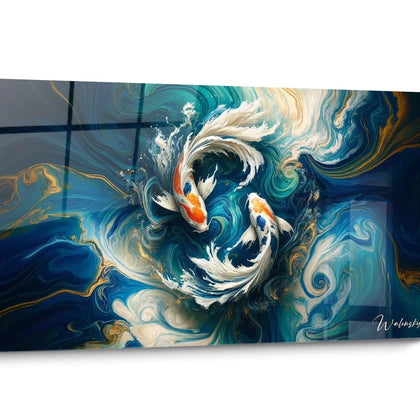 Golden Clinic Wall Art18
artworks
-
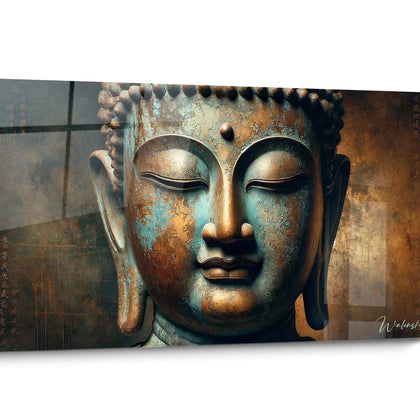 Turquoise Wall Art for Medical Clinic9
artworks
-
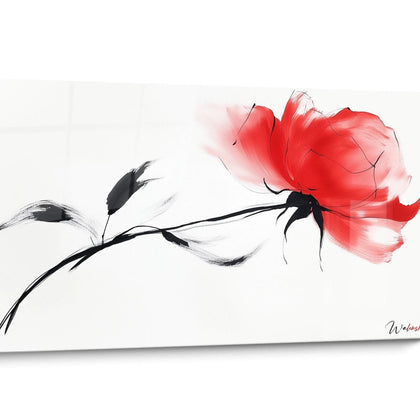 Floral Wall Art for Medical Clinics24
artworks
-
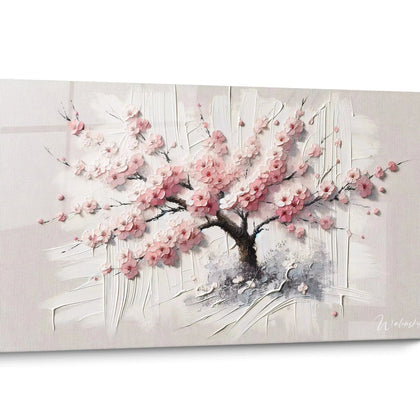 Japanese Wall Art for Medical Clinic18
artworks
-
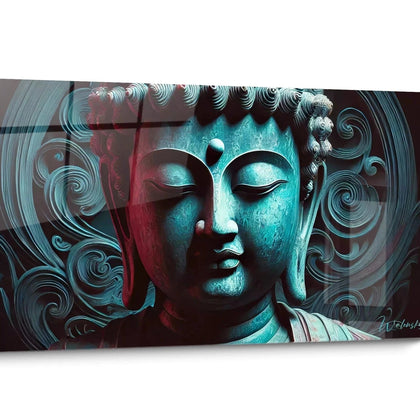 Wall Art for Meditation Clinic21
artworks
-
 Bamboo Wall Art for Medical Clinic8
artworks
All about Minimalist Wall Art for Medical Clinics
- Presentation Clinical Painting Minimalist
- Clean Medical Interior Design
- Soothing Therapeutic Atmosphere
- Professional Installation
A minimalist clinic painting radically transforms the medical environment by creating an atmosphere of professional serenity. In contemporary care spaces, the clean aesthetic meets the demands of both visual and psychological hygiene, reducing patient anxiety from the moment they arrive. These large-format wall compositions favor pure lines, neutral color palettes and soothing geometric shapes that support therapeutic focus. The minimalist approach eliminates superfluous distractions, allowing practitioners to maintain a reassuring professional setting while humanizing waiting rooms, consultation rooms and rehabilitation areas.
Creating a Calming Medical Environment with Refined Compositions
Designing a minimalist clinic painting requires a thorough understanding of the psychological needs of patients in vulnerable situations. Large-format monochrome or two-tone compositions help lower cortisol, the stress hormone, particularly in pre-operative areas and oncology departments. Soft circular forms and subtle gradients create a visually enveloping effect that counterbalances the perceived coldness of medical equipment.
Which visual characteristics should be favored for a care space?
Elongated horizontal visual structures generate a sense of spatial expansion that is especially beneficial in the narrow corridors of specialized clinics. A large-scale minimalist clinic painting on the wall captures peripheral attention without overloading the central field of vision, allowing patients to focus on medical instructions. Greige, off-white and pearl gray tones reflect natural light while remaining neutral enough to withstand regular disinfection protocols.
Optimizing patient journeys through a consistent visual identity
Aesthetic uniformity across different departments strengthens the spatial orientation of anxious visitors. A coordinated series of minimalist clinic paintings establishes discreet yet effective visual landmarks between radiology, cardiology and administrative services. Subtle variations in texture, matte versus slightly satin surfaces, create a visual hierarchy without resorting to aggressive contrasts. This systematic approach turns the patient experience into a smooth journey, reducing the disorientation common in complex medical facilities.
For complementary atmospheres, professionals also explore abstract clinic painting compositions that introduce organic elements while preserving the sobriety required. The strategic combination of geometric minimalism and gentle abstraction makes it possible to visually differentiate public spaces from technical areas.
Psychology of Therapeutic Spaces and Intentional Color
How do minimalist compositions influence the healing process?
Research in neuroaesthetics shows that exposure to a minimalist clinic painting activates brain circuits associated with meditation and parasympathetic rest. In post-intervention recovery rooms, panoramic formats with clean horizons facilitate guided breathing exercises and reduce the perception of pain. Vertical upward compositions in pediatric waiting rooms naturally draw the gaze upward, diverting attention from sources of anxiety.
Desaturated palettes in sand and taupe tones create visual continuity with contemporary medical textiles, reinforcing the impression of cleanliness and modernity. A large minimalist clinic painting advantageously replaces overloaded informational signage, freeing patients' mental space for active listening during consultations. This visual economy proves especially valuable in psychiatry and in units treating anxiety disorders.
Functional zoning through subtle visual gradations
The strategic use of minimalist compositions subtly differentiates spaces according to their therapeutic function. Reception areas benefit from paintings with open forms suggesting accessibility, while consultation rooms favor centered compositions that encourage concentration. Monumental square formats in physiotherapy rooms establish stable focal points for balance and proprioception exercises.
Maternity services adopt minimalist clinic paintings with soft curves evoking protection and gentleness, without resorting to childish imagery. Geriatric departments favor moderate contrasts between background and form to compensate for age-related visual decline. This discreet personalization humanizes each care pathway without compromising the overall aesthetic coherence of the facility.
Material durability and simplified maintenance
Surfaces highly resistant to hospital disinfectants are a decisive criterion for equipping high-traffic areas. Anti-glare finishes prevent glare under intense medical LED lighting, preserving the visual comfort of care staff during long shifts. The absence of protruding decorative elements makes rigorous cleaning protocols easier, a decisive advantage in sterile environments such as adjacent operating theatres.
Architectural Integration Strategies in Healthcare Infrastructure
Installing a minimalist clinic painting requires technical planning adapted to medical regulatory constraints. Anti-vibration mounting systems preserve perfect alignment despite frequent passage of trolleys and mobile equipment. Monumental formats require reinforced anchor points compatible with the lightweight partitions typical of contemporary modular medical buildings.
Which locations maximize the therapeutic visual impact?
Main circulation routes between departments benefit from sequential compositions creating a calming visual rhythm during transit. Installation facing reception desks turns administrative waiting into a moment of refocusing rather than a source of frustration. In blood collection rooms, positioning at seated eye level effectively diverts attention during anxiety-inducing technical procedures.
Telemedicine spaces incorporate minimalist clinic paintings as neutral professional backdrops, improving the perceived quality of remote consultations. Medical staff rest areas adopt contemplative compositions that favor cognitive recovery between stressful interventions. This comprehensive approach recognizes that caregiver well-being directly influences the quality of care provided.
Regulatory compliance and environmental certifications
HQE-certified facilities favor paintings manufactured through responsible processes, with minimal VOC emissions ensuring indoor air quality. Large-scale formats optimize the ratio of visual impact to number of units installed, reducing the overall logistical footprint. Durable finishes extend replacement cycles, a major economic criterion for constrained hospital budgets.
Is a minimalist clinic painting suitable for pediatric departments?
Absolutely. Minimalist compositions with soft organic forms create a reassuring environment without excessive infantilization. Desaturated pastel palettes maintain cheerfulness while preserving the calm needed for care. Large formats capture the attention of anxious children during examinations, making the practitioners' work easier.
How can minimalism be adapted to established visual identities?
Monochrome compositions blend naturally with any existing graphic charter thanks to their fundamental neutrality. Progressive introduction through pilot zones makes it possible to assess patient reception before general deployment. Subtle textural variations personalize each department while maintaining overall aesthetic coherence.
What lifespan can be expected from a professional minimalist clinic painting?
Medical-grade materials easily withstand 10 to 15 years of intensive use with proper maintenance. Protective finishes prevent fading under the continuous artificial lighting typical of hospital environments. This durability makes it a cost-effective investment compared with temporary decorative solutions requiring frequent replacement.
Further reading
Our articles on this topic
- Which minimalist painting size to choose based on your clinic wall surface
- Which painting formats to avoid in the limited spaces of a medical practice?
- How to Adapt Wall Art to Different Medical Specialties?
- Minimalist painting on the ceiling: calming anxious patients during dental treatment
- Painting for a general practitioner's office: which choice for the consultation room
L'art qui suscite l'envie
Maison belge d'art mural grand format
14 jourspour changer d'avis*
Protection Walenskyincluse
Fabriquéen Italie
FormatXXL
Kit de fixationtoujours fourni
* Hors tableaux personnalisés et tailles personnalisées


