


Modern Shiba Inu Dog Wall Art
The Painting Shiba Inu dog Modern captures the mischievous essence of this iconic breed through a bold contemporary style. Perfect for lovers of contemporary canine wall decoration, this wall art brings a touch of character and sophistication to your space. Ideal for the living room, office or any room needing a unique artistic touch, our wall art Shiba Inu design celebrates the natural elegance of this Japanese companion with clean lines and harmonious colors.
 Smiling Dog with Vibrant Colors Wall Art - Radiant Geometric Art - Shiba Inu Edition$249.90
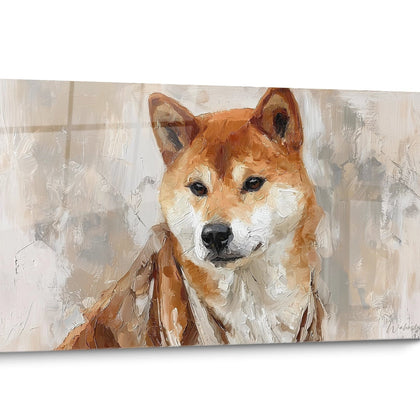
 Shiba Inu Profile Luminous Wall Art Dark Background - Contemplative Portrait - Shiba Inu Edition$249.90
 Red Dog in Motion Wall Art on Abstract Background - Canine Grace - Shiba Inu Edition$249.90
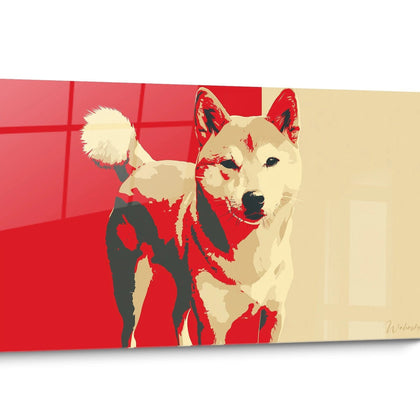
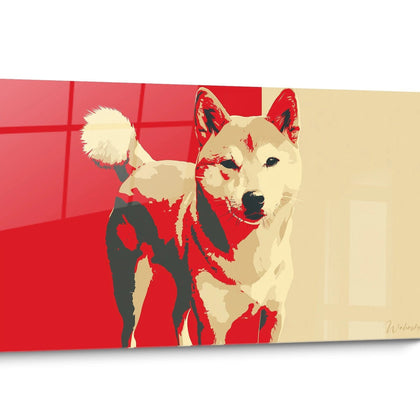
 Shiba Inu Pop Art Style Wall Art Red and Beige - Graphic Portrait - Shiba Inu Edition$249.90
 Russet Shiba Inu in Turquoise Foliage and Red Berries Wall Art - Natural Harmony - Shiba Inu Edition$249.90
 Red Dog Wall Art Dark Suit Portrait - Elegant Wall Art - Shiba Inu Edition$249.90
 Seated Dog Wall Art in Modern Interior with Green Tones - Contemporary Serenity - Shiba Inu Edition$249.90
 Orange and Blue Dog Wall Art Geometric Style - Chromatic Duality - Shiba Inu Edition$249.90
 Stylized Dog Artwork with Vermillion and Dark Colors - Artistic Portrait - Shiba Inu Edition$249.90
 Red Dog Portrait Wall Art Blue and Cream - Benevolent Gaze - Shiba Inu Edition$249.90
 Orange and White Geometric Dog Wall Art Raised Muzzle - Contemplative Gaze - Shiba Inu Edition$249.90
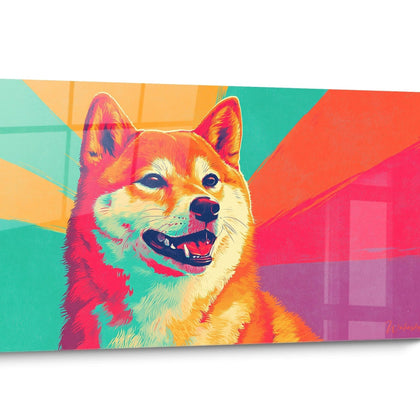
 Smiling Dog With Multicolor Rays Wall Art - Joyful Expression - Shiba Inu Edition$249.90
Explore further
In Modern Shiba Inu Dog Wall Art

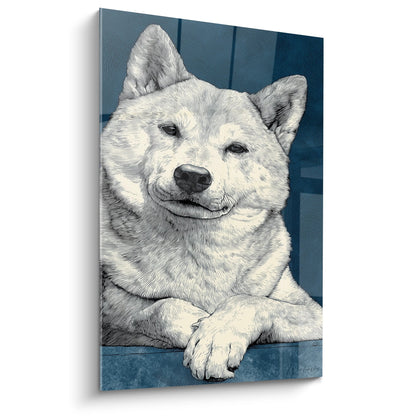
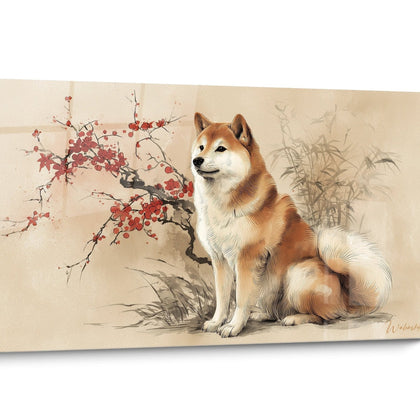
All about Modern Shiba Inu Dog Wall Art
- Shiba Inu Painting Presentation - Modern
- Contemporary Aesthetics
- Design Integration
- Artistic Expression
The painting Shiba Inu dog modern embodies the meeting between contemporary Japanese iconography and current interior design codes. This refined representation of the famous Japanese dog is part of a minimalist artistic approach, valuing geometric lines, color blocks and a strong graphic composition that breaks with traditional animal representation conventions.
The Graphic Expression of the Shiba Inu in Contemporary Wall Art
The Shiba Inu dog modern painting is distinguished by its resolutely contemporary visual treatment that transcends the simple animal representation. This artistic approach favors geometric stylization where the characteristic fur of the Shiba is translated into architectural forms, creating a dynamic tension between realism and abstraction. Artists exploit the distinctive morphology of this Japanese breed to generate angular compositions that dialogue with current interior architecture.
What color palette defines the modern Shiba Inu painting?
The color scheme of these wall artworks moves away from natural tones to embrace saturated and contrasting ranges. Variations include Shibas represented in monochromatic sophisticated shades – slate gray, deep black, dazzling white – or in neon color explosions that amplify their visual presence. This chromatic freedom allows the artwork to harmonize with minimalist Scandinavian interiors, industrial lofts or contemporary Japanese-style spaces. Backgrounds are often treated with solid blocks or subtle gradients that project the subject forward, creating spatial depth without resorting to classical perspectives.
How does modern composition redefine the iconography of the Shiba Inu?
Contemporary wall creations exploit unconventional viewpoints: graphic profiles accentuating the characteristic triangular ears, close-ups on the mischievous facial expression of the Shiba, or fragmented compositions distributing the animal across multiple visual planes. This formal deconstruction generates a dynamic reading of the wall space, particularly effective in environments with generous volumes. Some works integrate Japanese typography or geometric patterns that create a dialogue between Japanese tradition and Western modernity, positioning the Shiba as a visual cultural bridge.
The influence of pop art in the wall representation of the Shiba
The legacy of pop art significantly permeates these wall representations, where the Shiba Inu becomes a repeated, colorized or fragmented icon according to the codes established by Warhol. This approach transforms the Japanese dog into a contemporary cultural symbol, transcending its status as a domestic animal to become an identity marker of modern living spaces. The large dimensions of these wall compositions amplify this iconic effect, creating powerful focal points capable of visually structuring an open space or energizing a main wall. To explore other stylistic interpretations, the Shiba Inu watercolor painting offers an alternative to refined graphic renderings.
Architectural Integration of the Modern Shiba Inu Painting
What wall positioning enhances a large-scale modern Shiba Inu painting?
Installing a painting of a modern Shiba Inu dog in a large format requires specific spatial analysis. These works function optimally as visual punctuation marks in contemporary open spaces – above a modular sofa in a sleek living room, facing the entrance to create an immediate impact, or in a vertical stairwell where the composition can dialogue with the ascending architecture. Professional environments also adopt these representations: creative agencies, architecture firms, coworking spaces seeking to assert a distinctive visual identity blending Japanese cultural references and Western contemporary aesthetics.
The synergy between design furniture and modern canine representation
These wall compositions establish formal correspondences with contemporary furniture. The clean lines of a Scandinavian sofa resonate with the graphic stylization of the Shiba, while the black metal structures of industrial furniture amplify the chromatic contrasts of the monochrome versions. In Japanese-inspired interiors, the combination with light wood elements, geometric screens, and minimalist vegetation creates a visually coherent ecosystem where the Shiba becomes an ambassador of a reinterpreted Japanese identity. Spaces with high ceilings particularly benefit from vertical formats depicting the Shiba in a seated or standing posture, creating an upward dynamic that enhances the architectural volume.
How do these works transform residential atmospheres?
Inserting a modern Shiba Inu painting instantly generates a distinctive atmosphere blending cultural sophistication and emotional accessibility. Unlike abstract works that can seem intimidating, the canine presence instills a paradoxical warmth in sleek environments, humanizing potentially austere spaces. This duality – formal modernity and animal emotional connection – explains their growing popularity in contemporary urban apartments where residents seek expressive decorative elements without compromising minimalist aesthetics. Panoramic formats particularly transform open living spaces, creating subtle visual separations between functional zones without resorting to physical partitions.
Light adaptation to enhance these graphic representations
The specific visual characteristics of the modern Shiba Inu painting – marked contrasts, color blocks, precise graphic details – respond favorably to targeted lighting strategies. Adjustable spotlights highlight chromatic contrast areas, while indirect ambient lighting avoids disruptive reflections on potentially satin surfaces. In environments with generous natural light, positioning perpendicular to windows prevents fading while allowing optimal reading of nuances. Spaces with limited light exposure benefit from receiving these works in versions with light tones that amplify ambient brightness.
Identity Affirmation through the Modern Shiba Inu Painting
Why is the Shiba Inu asserting itself in contemporary wall iconography?
The popularity of the modern Shiba Inu dog painting is part of a broader cultural phenomenon where this Japanese breed has become an internet symbol, viral meme, and generational marker. Millennials and Generation Z, familiar with digital visual codes, instantly recognize these representations as shared references, creating a form of cultural complicity between the artwork and its viewer. This recognition transforms acquisition into an act of identity affiliation as much as a decorative choice. Contemporary artists capitalize on this familiarity to offer sophisticated reinterpretations that elevate the Shiba from meme status to that of a legitimate artistic icon, a bridge between digital popular culture and mural tradition.
Reinterpreted codes of Japanese minimalism
These wall compositions update Japanese aesthetic principles – ma (negative space), wabi-sabi (imperfect beauty) – by merging them with Western graphic boldness. The Shiba, the quintessential Japanese native breed, becomes a vector of this cultural hybridization. Generous negative spaces framing the subject create a characteristic visual breathing space of Japanese design, while saturated color choices and strong contrasts evoke Western pop art and street art. This aesthetic fusion perfectly meets the needs of contemporary interiors that seek both formal purity and visual impact, serenity and expressiveness.
The perceptual evolution of these artworks in the domestic environment
Unlike conventional decorative compositions, the modern Shiba Inu dog painting maintains its visual interest over time thanks to its semiotic richness. The characteristic expression of the Shiba – a mixture of dignity and mischief often called "Shiba scream" or "Shiba smile" – generates a renewed emotional connection. Variations in natural lighting throughout the seasons reveal different chromatic subtleties, particularly in versions exploiting gradients or superimpositions. Owners frequently report that these artworks become conversation starters during receptions, triggering personal narratives about trips to Japan, pets, or an interest in contemporary Japanese culture.
The creation of modern thematic wall ensembles
Discerning collectors assemble triptychs or diptychs combining different representations of the Shiba Inu in chromatic or postural variations. This multiplicative approach creates monumental wall installations that truly transform the architectural space. Combinations work particularly well in commercial spaces – Japanese design boutiques, Asian fusion restaurants, contemporary tea rooms – where they reinforce the brand's visual identity. In a residential context, the assembly of complementary artworks on a gallery wall integrating the modern Shiba alongside other Japanese cultural references (reinterpreted ukiyo-e, contemporary calligraphy, urban photographs of Tokyo) constructs a coherent visual narrative celebrating current Japanese aesthetics.
Is a modern Shiba Inu dog painting suitable for classic interiors?
Although these artworks are designed for contemporary environments, their integration into more traditional interiors creates dynamic contrasts that are particularly appreciated in eclectic decoration. The graphic boldness of the painting instantly modernizes a classic space, functioning as an intentional declaration of transgenerational style mixing.
What durability does a large-size modern Shiba Inu dog painting offer?
Current printing technologies guarantee exceptional color stability, particularly crucial for the saturated color blocks characteristic of these compositions. Large formats benefit from rigid supports preventing any deformation, ensuring an impeccable wall presence for decades under standard domestic exposure conditions.
How to choose between a minimalist representation and the maximal version of the modern Shiba Inu wall art?
Minimalist versions with solid backgrounds and restricted palettes blend easily into already visually rich interiors, providing a focal point without saturation. Maximal interpretations – complex backgrounds, chromatic explosions, fragmented compositions – require clean environments where they can fully express themselves as dominant visual protagonists of the space.
Further reading
Our articles on this topic
- Which totem animal to choose for minimalist Japanese wall decor?
- Bichon Maltese Painting for Veterinary Clinics or Grooming Salons
- Japanese Chin painting in a modern living room: which style to choose
- Bull Terrier Painting for a Masculine Contemporary Living Room: The Decor Guide
- Staffordshire bull terrier painting in industrial style: the decor ally for a bold office
- Akita Inu Painting: Which Size to Choose for an Entryway?
L'art qui suscite l'envie
Maison belge d'art mural grand format
14 jourspour changer d'avis*
Protection Walenskyincluse
Fabriquéen Italie
FormatXXL
Kit de fixationtoujours fourni
* Hors tableaux personnalisés et tailles personnalisées


