


Pink Classicism Wall Art
The Classicism Rose painting embodies the perfect combination of timeless elegance and romantic softness. This collection celebrates neoclassical aesthetics by incorporating delicate pink tones that bring refinement and serenity. Each work evokes the grace of the great artistic eras while harmonizing with contemporary interiors. Ideal for creating a sophisticated atmosphere, this collection of classic paintings in pink tones transforms your spaces into true art galleries. Discover a universe where neoclassical art and romanticism meet to sublimate your decoration.
 Woman Splendid Social Wall Art - Classicism Edition$249.90
 Parisian Café Wall Art Bourgeois Intimacy - Classicism Edition$249.90
 Garden Peace Aristocrat Wall Art - Classical Edition$249.90
 Temple Doric Columns Wall Art - Classical Edition$249.90
 Woman Terrace Powdered Tones Wall Art - Classical Edition$249.90
 Villa Scarlet Roses Wall Art - Classicism Edition$249.90
 Parisian Café Wall Art Complicit Glances - Classical Edition$249.90
 Arch of Triumph Promenade Umbrellas Wall Art - classicism edition$249.90
 Villa Blooming Oasis Wall Art - Classicism Edition$249.90
 Women Precious Conversation Wall Art - Classical Edition$249.90
Explore further
In Pink Classicism Wall Art
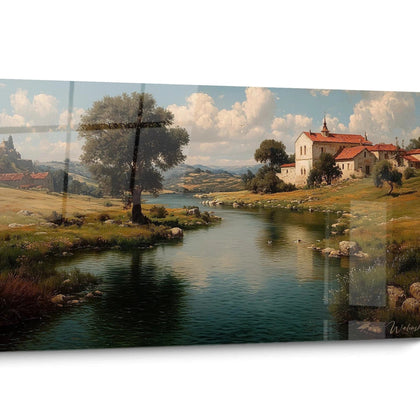
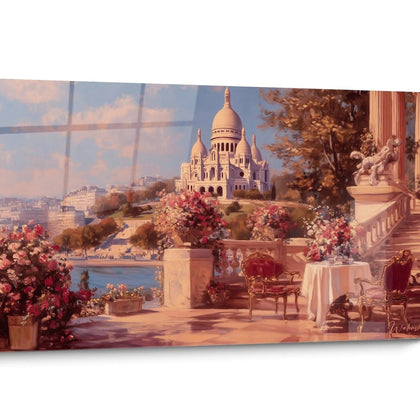
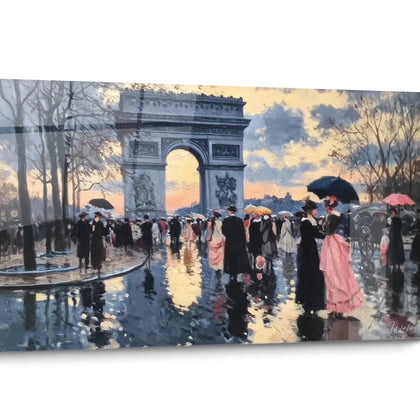
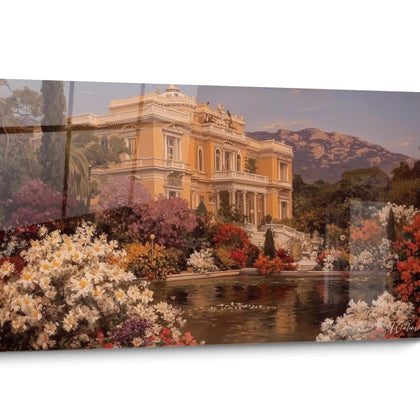

All about Pink Classicism Wall Art
- Presentation of the Classicism Painting in Pink
- Rosy elegance in classical art
- Romantic and refined atmospheres
- Majestic decorative integration
The classicism painting in pink embodies an exceptional meeting between the academic rigor of the Neoclassical movement and the chromatic delicacy of rosy hues. This rare combination transforms historical compositions into true decorative statements, where the monumentality of mythological or architectural subjects is adorned with a powdery luminosity that softens their traditional solemnity. Unlike classical representations dominated by majestic ochres, browns, and grays, the introduction of pink creates a unique atmosphere that simultaneously evokes the grandeur of aristocratic palaces and the intimacy of precious eighteenth-century salons. These large-format works capture the essence of sunsets over ancient ruins, twilight skies bathing Greek temples, or the diaphanous complexions of allegorical female figures cherished by academic masters. Designed for contemporary interiors seeking timeless sophistication without dryness, these monumental creations offer an unmatched focal point.
The rosy palette serving Neoclassical grandeur
The classicism painting in pink reinterprets the aesthetic codes established by Jacques-Louis David and Jean-Auguste-Dominique Ingres, infusing a chromatic sensitivity rarely explored in nineteenth-century academies. The rosy tones, from powdery pink to faded vermilion, transform historical scenes into visually soothing compositions while preserving their compositional dignity. This particular coloration recalls the Pompeian frescoes discovered during archaeological excavations, whose mineral pigments have shifted toward rosy tones over time.
Which rosy shades characterize classical compositions?
The chromatic variations range from the dawn pink of morning skies over the Acropolis, the tea-rose of the diaphanous drapery surrounding mythological deities, and the flesh pink lending radiance to academic female nudes. These shades bring unexpected softness to Corinthian columns, triangular pediments, and the rigorous architectural perspectives typical of classicism. Combined with white marbles, subdued golds, and muted greens, they create a sophisticated visual harmony particularly suited to high-end residential spaces.
The heritage of the masters and contemporary reinterpretation
Neoclassical painters occasionally used pink to evoke the idealization of female bodies or the evening atmospheres of Italianate landscapes. A large-format classicism painting in pink transposes this pictorial tradition into an assumed decorative dimension, where the monumentality of today's formats amplifies the emotional impact of these historical compositions. Scenes depicting ritual sacrifices, republican oaths, or virtuous allegories gain visual accessibility thanks to this softened palette, without losing their symbolic reach or their exemplary geometric construction, which harmoniously dialogues with works highlighting classical architecture in their structural rigor.
Preferred subjects in this particular tonality
Female mythological representations, such as Venus, Psyche, and the Three Graces, are the favored motifs for this color range. Scenes of aristocratic interiors from the Grand Siècle, delicate bacchanals, and twilight Mediterranean landscapes also benefit from this rosy tone, which heightens their dreamlike dimension while retaining the anatomical precision and perspectival rigor dear to the academic movement.
Creating an aristocratic ambiance through historical color
Acquiring a large classicism painting in pink responds to a specific atmospheric aim: that of Parisian literary salons, Venetian cabinets of curiosities, or patrician galleries where erudition met decorative refinement. This particular tonality immediately evokes Regency and Louis XVI interiors, periods when powdery pink dominated woodwork, wall silks, and painted decorations of private mansions. Unlike contemporary neutral shades, this chromatic choice asserts a strong aesthetic identity.
How does pink transform spatial perception?
Rosy shades have a unique ability to visually warm volumes while maintaining an impression of luminosity and space. In rooms facing north or with high ceilings, a monumental painting in rosy tones compensates for the lack of warm natural light without creating an oppressive effect. The eye perceives these tones as receding slightly into space, creating an illusory depth that is particularly valuable in constrained architectural configurations where an imposing format might appear overwhelming with denser colors.
Complementary material associations
A classicism painting in pink naturally dialogues with the noble materials typical of reinterpreted classical interiors: bleached oak parquet, restored moldings, neoclassical furniture with clean lines, and velvets in complementary tones such as almond green or greyed blue. Metals best suited to accompany it include aged brass and patinated silver rather than contemporary chrome. Surrounding textiles benefit from subtly echoing the shades present in the work: natural linen, wild silk, and washed cotton in variations from off-white to pale pink.
The psychological impact of softened historical compositions
Where traditional classical scenes impose reverential distance through their chromatic austerity, the introduction of pink creates an unexpected emotional closeness. These monumental works become everyday visual companions rather than objects of occasional contemplation. Research in environmental psychology confirms that desaturated pinks favor creative concentration and reduce spatial anxiety, while maintaining sufficient intellectual stimulation thanks to the compositional complexity of the historical subjects depicted.
Enhancing contemporary spaces with rosy Neoclassical iconography
Integrating a monumental classicism painting in pink into a contemporary interior is a bold decorative strategy that transcends fleeting trends. These works function as temporal bridges, establishing a visual dialogue between European cultural heritage and current aesthetic demands. Their imposing scale allows them to architecturally structure the space, defining distinct functional zones within the open volumes typical of contemporary renovations.
Which spaces particularly benefit from this aesthetic?
Generous entrance halls, residential double-height spaces, library walls, and the backdrops of reception rooms are the preferred locations. In high-end professional environments, such as law firms, wealth advisory offices, and luxury showrooms, a painting with classical references and soothing tones simultaneously communicates expertise, permanence, and refinement. Master bedrooms also benefit from this iconography, particularly when mythological subjects evoke rest, dreams, or protective deities.
Managing scale and monumental proportions
An imposing format requires a minimum ceiling height of 2.80 meters to fully deploy its impact without creating an overwhelming effect. The ideal location is a clear wall with frequent circulation, visible from several angles in the room. Contrary to popular belief, these generous dimensions suit daily living areas better than corridors or passageways, because they invite prolonged contemplation that gradually reveals the compositional details, the play of light on the drapery, and the sophistication of the architectural backgrounds rendered in nuanced values.
Seasonal variations in perception
Rosy tones have a fascinating characteristic: their perception varies with the ambient natural light. In the golden hours of morning and evening, these shades intensify and dialogue with sunlight, creating a dynamic chromatic resonance. On winter days, they visually warm the interior atmosphere. This perceptual mutability turns the work into a living decorative element whose expression evolves rhythmically with circadian and seasonal cycles, constantly renewing visual interest without becoming tiresome.
Why choose a classicism painting in pink for a minimalist interior?
The apparent contradiction between contemporary minimalism and historical iconography creates a precisely productive visual tension. The surrounding simplicity amplifies the impact of the monumental work, while the softened rosy palette avoids any jarring stylistic intrusion, instead establishing a soothing chromatic continuity.
How does a classicism painting in pink influence the overall decorative palette?
The work functions as a chromatic generator for the entire room. Textiles, accessories, and plant elements benefit from subtly echoing the secondary shades present in the composition: muted greens of the landscapes, greyed blues of the skies, and subdued golds of the architectural ornaments, creating a visual coherence orchestrated around this centerpiece.
Which furniture styles harmonize with this particular aesthetic?
Beyond the obvious neoclassical furniture, clean-lined Scandinavian designs, Italian design from the 1950s, and certain contemporary creations with classical proportions accompany these works remarkably well. The essential factor lies in the quality of materials and the sobriety of lines rather than a literal stylistic match, favoring the dialogue of pure geometric forms present both in the furniture and in the academic pictorial compositions.
Further reading
Our articles on this topic
- Pink Sphynx cat painting: which pairing for your pastel walls?
- Pop Madness Pink painting: the perfect match for a grey sofa
- Peony pastel watercolour chrysanthemum painting: how to style a romantic girl's bedroom
- Do pink and mauve paintings suit studios with a feminine focus?
- Why do dusty pink paintings create a romantic softness?
- Classicism painting for an elegant living room: which artwork to choose
L'art qui suscite l'envie
Maison belge d'art mural grand format
14 jourspour changer d'avis*
Protection Walenskyincluse
Fabriquéen Italie
FormatXXL
Kit de fixationtoujours fourni
* Hors tableaux personnalisés et tailles personnalisées


