

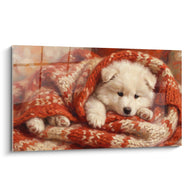


Realistic Animal Eye Wall Art
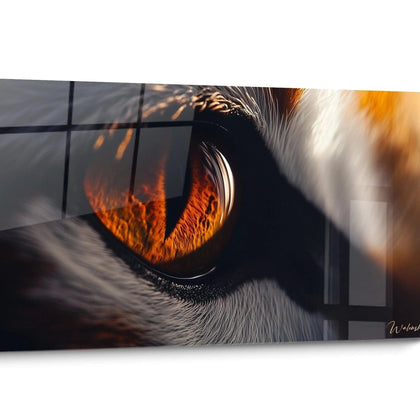
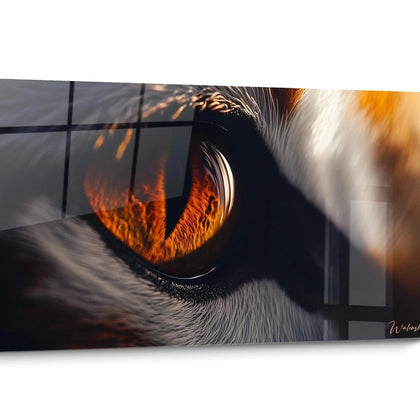
The Painting Animal Eye Realistic captures the fascinating intensity of the wild gaze with exceptional artistic precision. Each artwork reveals the emotional depth and hypnotic beauty of the eyes of majestic animals, from tigers to wolves to eagles. These hyperrealistic animal art creations transform your interior into a captivating gallery. Ideal for lovers of intense nature wall decoration, these paintings bring character and authenticity to your space.
 Feline Captivating Glow Wall Art - animal eye edition$559.90
 Owl Queen of Shadows Wall Art - Animal Eye Edition$499.90
 Wolf Wall Art Northern Echo - Animal Eye Edition$499.90
 Feline Blazing Interior Wall Art - Animal Eye Edition$499.90
Explore further
In Realistic Animal Eye Wall Art
All about Realistic Animal Eye Wall Art
- Painting Animal Eye Presentation Realistic Animal
- Hyperrealistic animal gaze
- Visual intensity and decor
- Choice of animal gaze
A realistic animal eye painting captures the intensity of a wild gaze with striking photographic precision. Each anatomical detail of the iris, pupils, and bright reflections is reproduced to create an immediate visual connection with the viewer. These large-format mural representations transform any space into a contemporary gallery where nature asserts itself with power. Animal hyperrealism favors close-up shots that reveal the texture of ocular fibers, microscopic veinules, and chromatic nuances impossible to perceive in nature. This artistic approach is aimed at art lovers of naturalism who seek an authentic animal presence without falling into decorative stylization. The monumental dimensions of these wall creations amplify the sense of presence and create a magnetic focal point in spacious interiors.
Photographic hyperrealism at the service of the animal gaze
A realistic animal eye painting is based on a meticulous reproduction of the ocular structures that characterize each species. The reduced depth of field focuses attention on the iris while creating an artistic peripheral blur that reinforces the three-dimensional effect. Artists specializing in this field capture microstructures such as the concentric rings of the feline iris, the horizontal pupils of herbivores, or the watery reflections of large predators.
Which species offer the most captivating gazes in realistic format?
Wild felines dominate this segment with their stratified multicolored irises and expressive vertical pupils. The gray wolf presents a cold intensity reinforced by amber hues contrasting with a silvery coat. The golden eagle offers a piercing gaze characterized by a translucent nictitating membrane and an incandescent orange iris. Higher primates fascinate with the emotional complexity readable in their deep gaze and dilated pupils. Each species imposes a different presence according to the ocular physiology and associated behavioral expression.
The anatomical details that reinforce absolute realism
The faithful reproduction of specular reflections is the major challenge of this artistic style. A directional lighting must be suggested in the composition to create asymmetrical bright spots on the curved cornea. Microscopic blood vessels visible in the sclera add a crucial organic dimension. The moist surface texture of the eye requires subtle nuances of shine to avoid a plastic appearance. Eyelashes, vibrissae, and peripheral hairy structures contribute to anchoring the eye in its anatomical context without diverting attention from the central gaze.
Why does animal hyperrealism surpass stylized approaches?
For demanding collectors, only integral realism restores the emotional presence of a wild animal. Graphic or minimalist interpretations dilute the intensity of the visual contact provided by a photographic gaze. Large wall formats amplify this effect to create a sensation of spatial coexistence with the represented animal. This documentary approach is part of a naturalist tradition where scientific accuracy meets aesthetic emotion. High-end professional spaces favor this visual authenticity that avoids any kitsch decor.
The monumental visual impact of the animal gaze in interior design
A painting of realistic animal eyes on a large scale functions as a visual portal that radically alters the perception of an architectural volume. The fixed and penetrating gaze creates a dynamic spatial tension that animates inert walls. This permanent presence generates continuous cognitive stimulation, unlike abstract or landscape compositions that gradually blend into the environment.
How does the animal gaze influence circulation in space?
The direction of the animal gaze unconsciously orients movements and hierarchizes areas of an open interior. An eye of a wild animal fixed laterally naturally guides towards a hallway or adjacent opening. A direct frontal gaze creates an interpellation zone that slows down circulation and invites static contemplation. Dilated pupils communicate a tension that energizes passageways, while half-closed gazes suggest serenity in resting areas. This unconscious spatial psychology transforms a simple decorative element into a subtle architectural organizer.
Depth of field and spatial perceptual expansion
The progressive blur characteristic of close-up animal photographs creates an illusion of spatial depth that virtually pushes back the limits of the walls. This optical technique is particularly effective in constrained volumes where the addition of visual perspective compensates for physical restriction. The contrast between the absolute sharpness of the iris and the diffuse peripheral halo generates a visual hierarchy that structures the reading of the work. Contemporary interiors exploit this effect to create visual breaths in streamlined configurations.
Decorative associations specific to realistic animal gazes
The intensity of a realistic animal eye painting requires a restrained environment that does not compete with its visual power. Raw materials such as polished concrete, brushed steel, or charred wood reinforce the wild aspect without creating stylistic dissonance. A grazing directional lighting should emphasize the internal contrasts of the work while creating dramatic shadow zones. For those who appreciate luxurious finishes, discovering a gold animal eye painting can offer a refined alternative where metallic hues enhance certain species with warm irises. Vertical architectural vegetation constitutes an organic counterpoint that dialogues with the animal dimension without infantilizing the composition.
Selecting the animal gaze according to the desired spatial message
Each animal species conveys a behavioral archetype rooted in the collective unconscious that subtly influences the atmosphere of an interior. A realistic animal eye painting is never a neutral choice but projects specific values depending on the species represented and the expression captured. This psychological dimension deserves careful consideration before acquiring a monumental piece intended to visually structure a living or professional space.
Which gazes are suitable for spaces of intellectual concentration?
Nocturnal birds of prey such as the great horned owl offer a contemplative intensity suitable for libraries and strategic offices. Their fixed and analytical gaze evokes patience, insight, and piercing vision necessary for demanding intellectual activities. Solitary felines such as the snow leopard communicate a silent concentration and economy of gesture that resonate with environments of reflection. These species avoid frontal aggression while maintaining a magnetic presence that structures the mental space.
Gazes adapted to representation and reception spaces
Large African feline species such as the male lion exert a natural, authoritative presence that enhances corporate reception areas and negotiation spaces. Their assured gaze, devoid of overt hostility, projects confidence and territorial mastery. The African elephant offers ancestral wisdom and a soothing presence despite its evident physical power. Higher primates create an emotional proximity that humanizes spaces while maintaining a wild dignity. The choice depends on the desired identity positioning and the subliminal message intended for visitors.
Why prioritize monumental formats for animal portraits?
An animal eye reproduced at life-size or larger generates an immersive visual confrontation impossible to achieve with modest dimensions. Oversized pupils create a hypnotic effect that literally captures the gaze of observers upon entering the space. This monumentality transforms decorative representation into a memorable sensory experience that anchors spatial memorization. Contemporary interiors with generous volumes require this scale to avoid the timid effect of under-sized works that get lost on large wall surfaces. Investing in an imposing format guarantees a lasting impact and superior heritage value.
Is a realistic animal eye painting suitable for bedrooms?
The intensity of an animal's gaze can disrupt sleep in sleeping areas depending on individual sensitivity. Species with gentle expressions such as the deer or red fox offer a more soothing presence compatible with nighttime intimacy. Favor profile or slightly averted gazes rather than direct frontal confrontations.
How to maintain a large-scale realistic animal eye painting?
Monthly dusting with an anti-static microfiber cloth is sufficient for smooth surfaces. Avoid harsh chemicals that would alter the pigments and protective varnishes. Positioning away from direct sunlight preserves color saturation over time.
What budget to allocate for a museum-quality realistic animal eye painting?
High-resolution reproductions in large format generally start around several hundred euros depending on the dimensions and printing technologies. Original works signed by renowned hyperrealist artists reach several thousand euros depending on the artist's reputation and the complexity of execution.
Further reading
Our articles on this topic
- Brown bear by the riverside: the artistic wall photography that elevates your decor
- Animal Paintings: the complete guide to choosing the perfect piece
- Wolf painting: the artistic techniques that elevate this iconic predator
- Unusual animal paintings for a child's bedroom: sparking curiosity in a different way
- Watercolor or oil painting for an African animals artwork: which rendering suits your interior
- Large-Format Wild Animal Painting: The Ideal Way to Elevate a Hallway Wall
L'art qui suscite l'envie
Maison belge d'art mural grand format
14 jourspour changer d'avis*
Protection Walenskyincluse
Fabriquéen Italie
FormatXXL
Kit de fixationtoujours fourni
* Hors tableaux personnalisés et tailles personnalisées


