


Serengeti Cat Geometric Wall Art
The Serengeti cat painting Geometric sublimates feline elegance through a contemporary artistic prism. This unique collection merges the majesty of the Serengeti cat with bold polygonal shapes, creating a visual harmony between nature and modernity. Each work transforms this graceful feline into a sophisticated geometric cat art composition, where angular lines reveal wild beauty. Perfect for lovers of modern feline wall decoration, this graphic style brings character and refinement to your interior.
 Polygonal Serengeti Cat Wall Art - Modern Geometric Art - Serengeti Cat Edition$499.90
 Stylized Geometric Cats Wall Art - Abstract Feline Harmony - Serengeti Cat Edition$499.90
 Geometric Cat Wall Art - Abstract Grace - Serengeti Cat Edition$499.90
 Polygonal Cat Wall Art - Geometric Feline Design - Serengeti Cat Edition$559.90
Explore further
In Serengeti Cat Geometric Wall Art
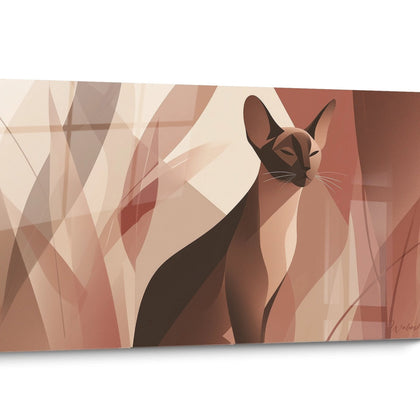
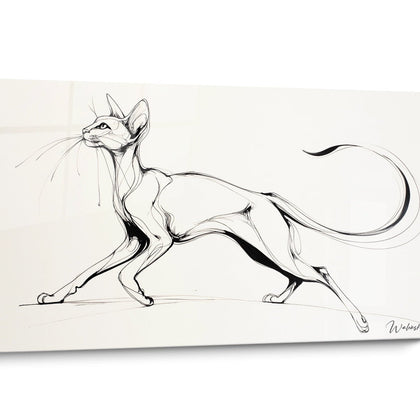
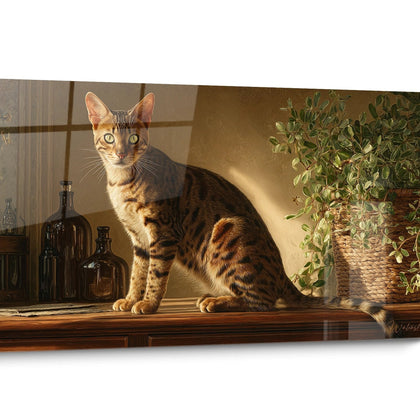
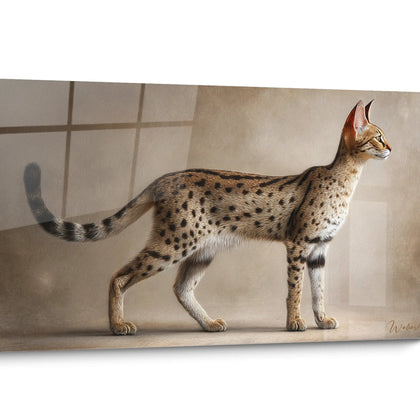
All about Serengeti Cat Geometric Wall Art
- Presentation Painting Cheetah Serengeti Geometric
- Geometric Feline Design
- Serengeti Visual Architecture
- Modern Decorative Integration
The cheetah Serengeti geometric painting transcends traditional feline imagery by offering a bold structural interpretation of this exceptional breed. This artistic approach breaks down the distinctive features of the Serengeti into volumes, angular lines, and polygonal surfaces, creating a fascinating dialogue between the feline's natural elegance and mathematical abstraction. The large dimensions of these wall creations amplify the visual impact of the geometric shapes, transforming each wall panel into a contemporary aesthetic manifesto. This fusion of wild animal and graphic rationality particularly appeals to lovers of modern art seeking a distinctive decorative piece that combines sophistication and affirmed character for their demanding living spaces.
The Polygonal Expression of Serengeti Feline
The cheetah Serengeti geometric painting reinvents animal representation by fragmenting the feline anatomy into crystalline facets. This visual deconstruction highlights the athletic proportions characteristic of the breed: oversized ears, slender limbs, and a wild profile. Each angular segment captures the intensity of the amber gaze typical of the Serengeti, while the superimposed geometric planes reconstruct the powerful musculature of this savanna descendant.
How do geometric shapes enhance the spotted markings of the Serengeti?
The iconic spotted coat of this breed finds a renewed expression in the geometric treatment. The spots become hexagonal modules or triangles distributing chromatic contrasts according to an architectural logic. This stylization transforms the natural fur into a contemporary mosaic, where each polygon functions as an optical tessera. The overall effect preserves the visual identity of the Serengeti while elevating it to a refined graphic dimension, particularly suitable for minimalist interiors requiring non-figurative animal decoration.
Angular structuring at the service of feline dynamics
Broken lines and intersections of planes create visual tension that evokes the frozen movement of the predator. The Serengeti geometric cheetah painting exploits this fragmented geometry to suggest the muscular flexibility and agility characteristic of the breed. Compositions frequently adopt calculated asymmetries, generating a controlled imbalance that keeps the eye constantly circulating across the surface. This geometric agitation contrasts admirably with minimalist Serengeti cat compositions favoring refined sobriety.
What advantages do limited color palettes offer in a geometric context?
The geometric approach greatly benefits from restricted color ranges: contrasting monochromes, bold bichromes, or balanced triads. This chromatic limitation reinforces the structural readability of the shapes, avoiding the visual confusion that would be provoked by excessive polychromy. Metallic tones such as copper or gold bring a luxurious dimension particularly appreciated, creating games of reflections on large wall surfaces while recalling the warm tones of the Serengeti's natural fur.
Conceptual Geometry and Architectural Spatiality
Spatial amplification through large-format geometric patterns
A cat painting, Serengeti geometric, of significant dimensions creates an illusory depth thanks to the superposition of angular planes. Compositions exploiting isometric or axonometric perspective create three-dimensional effects without resorting to classical realism. This property is particularly strategic for contemporary spaces where minimalist architecture requires powerful visual anchors. Large polygonal structures naturally dialogue with architectural volumes, establishing an aesthetic coherence between wall art and the built environment.
Can feline geometry and mathematical symbolism be associated?
Some compositions subtly integrate references to the golden ratio, Fibonacci sequences, or natural fractals observable in the feline anatomy. This conceptual dimension adds an interpretative layer for observers sensitive to correspondences between nature and mathematics. The Serengeti, a breed resulting from precise genetic selection, is particularly suited to this structuralist reading where physiological perfection meets proportional harmony. This intellectual approach clearly distinguishes these creations from simple realistic cat Serengeti portraits focused on photographic fidelity.
How does geometric fragmentation influence the perception of time?
The fragmentation of form into multiple facets generates a sequential rather than instantaneous reading. The observer mentally reconstructs the feline unity from the fragments, a cognitive process that prolongs visual engagement. This extended temporality transforms the work into a recurring graphic enigma, never totally exhausted at first glance. Dynamic compositions even suggest a decomposition of movement in the manner of chronophotographies, capturing several phases of the feline action in a single stratified representation.
The interaction between geometric voids and chromatic solids
Negative spaces play a crucial role in successful geometric compositions. The unfilled areas between the polygons are not simple neutral backgrounds but actively participate in the visual breathing of the whole. This alternation creates optical rhythms comparable to the architectural principles of full and void. For collectors also exploring more ornamental options, golden representations of the Serengeti offer a complementary approach prioritizing material richness rather than structural rigor.
Decorative Integration and Contemporary Stylistic Coherence
Which architectural environments optimally enhance feline geometry?
Converted industrial spaces, urban lofts, and Scandinavian interiors constitute ideal settings for a geometric Serengeti cat painting. Exposed structures, raw concrete, and clean lines resonate harmoniously with the angular compositions of these wall creations. The generous volumes of these environments accommodate the imposing formats without stifling, allowing sufficient visual distance to appreciate the structural complexity. Creative offices and collaborative spaces also adopt these pieces as cultural manifestos affirming a bold visual identity.
The furniture complementarity with the geometric aesthetic
The combination with furniture featuring clean lines amplifies stylistic consistency. Structural metal seating, tables with geometric tops, and architectural lighting create a visually homogeneous ecosystem where each element dialogues with the others. Materials such as brushed steel, tempered glass, or technical composites share the same rationalized philosophy as the geometric wall compositions. This holistic approach transforms the habitat into a contemporary gallery where wall art functions as a centerpiece around which the entire decorative scheme is organized.
How to balance a strong visual presence with overall harmony?
Despite their pronounced graphic impact, these paintings integrate harmoniously through a concerted chromatic limitation. By taking two or three shades already present in the space, the artwork becomes naturally consistent while retaining its distinctive character. Monochrome compositions offer maximum flexibility, adapting to various surrounding palettes. To create a consistent thematic collection, exploring the entire Serengeti cat representation range allows you to identify complementary stylistic variations creating an enriched visual journey through different rooms.
Perceptual evolution according to lighting conditions
Angular surfaces react differently to daily lighting variations. The grazing incidence of the ends of the day accentuates the optical reliefs, transforming the apparent flatness into a landscape of chromatic ridges and valleys. Directed nighttime lighting dramatically sculpts the compositions, creating cast shadows that add a physical dimension to purely graphic geometries. This visual mutability guarantees a constant renewal of the experience, the artwork reinventing itself over time and seasons according to the natural and artificial light flows crossing the space.
FAQ
Is a Serengeti cat geometric painting suitable for demanding professional spaces?
Absolutely, these creations bring a contemporary sophistication particularly suited to architects' offices, creative agencies, design showrooms, and high-end reception areas. Their non-figurative character avoids any infantilizing connotation while maintaining an emotional connection through the universally appreciated feline theme.
Do geometric compositions work in classic or traditional interiors?
Although naturally aligned with modern aesthetics, these pieces can create bold contrasts in more traditional contexts. This juxtaposition generates a creative tension that values both architectural heritage and contemporary expression, provided that the proportions and color palette are carefully calibrated to establish visual bridges with the existing.
What viewing distance optimizes the appreciation of a large-format Serengeti cat geometric painting?
For formats exceeding 120 centimeters, a distance equivalent to 1.5 times the diagonal of the artwork allows you to simultaneously embrace the overall composition and the structural details. Too close, only individual fragments remain perceptible; too far away, the subtlety of the polygonal intersections dissolves. This ideal distance varies according to the specific geometric complexity of each composition.
Further reading
Our articles on this topic
- Panoramic Siamese cat painting: feline elegance for a contemporary living room
- Sokoke Cat Painting on Black Background: The Power of Graphic Style
- Creating a gallery wall with a gold Savannah cat painting: the step-by-step guide
- Cat design painting: a guide to a successful contemporary entrance
- Turkish Angora cat watercolor painting: which model to choose based on your room and style
- Cat wall decor for an adult bedroom: the trends that make the difference
L'art qui suscite l'envie
Maison belge d'art mural grand format
14 jourspour changer d'avis*
Protection Walenskyincluse
Fabriquéen Italie
FormatXXL
Kit de fixationtoujours fourni
* Hors tableaux personnalisés et tailles personnalisées


