

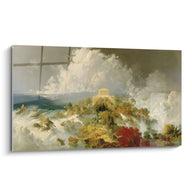


Vintage Realism Painting
Our Painting Realism Vintage collection celebrates the authenticity of bygone eras with remarkable artistic precision. Each artwork captures the nostalgic essence of the past through meticulously composed retro realistic vintage scenes. These creations evoke the beauty of yesteryear with a refined pictorial technique. Perfect for an authentic vintage wall decoration, these paintings bring character and elegance to your interior while creating a warm atmosphere steeped in memory.
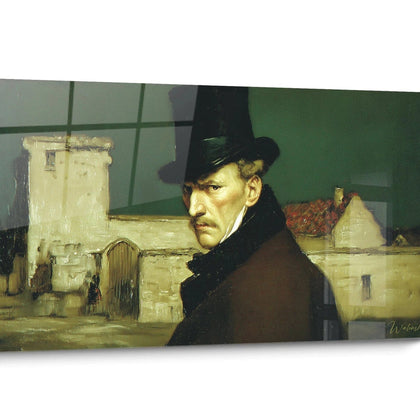
 Man Portrait Artwork Commanding Character - realism edition$499.90
 Woman with Sacred Bowl Wall Art - Realism Edition$499.90
 Three Women Daily Labor Wall Art - realism edition$499.90
 Portrait wall art bourgeoisie romantic - realism edition$499.90
 White lace portrait wall art - realism edition$499.90
 Artist with Inspired Pen - realism edition$559.90
 Writer with silver beard portrait - realism edition$559.90
Explore further
In Vintage Realism Painting
All about Vintage Realism Painting
- Vintage Realism Painting Presentation
- Heritage Iconography
- Temporal Atmospheres
- Historical Collections
The realism vintage painting represents the fascinating alliance between the documentary precision of realism and the patinated aesthetics of bygone eras. These large-format creations capture everyday scenes with photographic accuracy while incorporating the visual codes of past decades. This category appeals to collectors seeking authentic representations of urban and rural heritage, vanished trades, and bygone technologies reproduced with meticulous fidelity. Unlike contemporary interpretations, these monumental works precisely document the textures, natural lighting and atmospheres characteristic of historical periods, offering a temporal immersion within period architectural spaces.
The Documentary Authenticity of Reconstructed Historical Scenes
The vintage realism painting excels in the meticulous rendering of vanished period environments. Artists specialising in this approach precisely document traditional shopfronts, early twentieth-century industrial workshops, and domestic interiors faithful to the 1920s to 1960s. This photographic exactness requires in-depth iconographic research into historic building materials, period wall coverings and obsolete equipment.
How do heritage representations transform professional spaces?
Heritage architecture firms, law offices specialising in historical law, and century-old banking establishments adopt these monumental compositions to anchor their identity in tradition. A large vintage realism painting depicting an 1890 Parisian bank with its mahogany counters and paraffin lamps creates a visual continuity between past and present. These installations enhance the company's historical expertise while elevating the reception space.
The Chromatic Codes of Industrial Periods
Vintage aesthetics in realism favour palettes of sepia tones, metallic verdigris and rust browns characteristic of early manufacturing environments. These oxidised hues naturally evoke period machine tools, steam locomotives and mechanical workshops. Large wall surfaces of industrial buildings converted into lofts find in these historical representations a chromatic coherence with the preserved industrial structures. Specialist collectors are particularly drawn to realistic railway scenes showing nineteenth-century terminus stations, or representations of realism portrait paintings immortalising workers in their authentic working environment.
Documenting Vanished Trades
A vintage realism painting can meticulously document the professional gestures of extinct craftsmen: watchmakers at their benches, telegraph operators, lamplighters. These large representations become valuable visual archives for technical museums, historical vocational training institutes and collectors specialising in labour history. The monumental composition allows the details of antique tools, period professional costumes and body postures specific to each trade to be observed.
The Luminous Atmospheres of Early Photographic Eras
The vintage realism painting reproduces the luminous qualities characteristic of early photographic emulsions, with their pronounced contrasts and dense shadow areas. This restitution of period lighting conditions creates an immediately recognisable nostalgic atmosphere, evoking daguerreotypes and albumen prints. Discerning collectors seek these atmospheric effects to create coherent temporal environments in their private libraries or reading rooms.
Which spaces benefit most from these temporal compositions?
Century-old wine estates, traditional artisanal distilleries and historic watchmaking manufactures find in these monumental creations a visual enhancement of their heritage. A vintage realism painting showing a vaulted nineteenth-century cellar with its oak foudres and miller's ladders reinforces the house's heritage legitimacy. Gastronomic restaurants housed in listed buildings use these representations to anchor their identity in a historical culinary continuity.
Reconstructing Vanished Urban Architectures
Realistic representations of demolished neighbourhoods, torn-down markets or reconfigured boulevards hold exceptional documentary value. These visual testimonies are of particular interest to local history societies, heritage preservation associations and urban collectors. A large painting showing the Les Halles of Paris before their demolition, or pre-war Old Marseille, constitutes a precious visual archive, with its painted signs, uneven cobblestones and period street furniture.
The Material Textures of the Past
Vintage realism excels at the tactile rendering of ancient surfaces: patinated panelling, blackened bricks, oxidised copper, irregular blown glass. This attention to historical materiality turns each composition into an archaeological study of past building techniques. Interior architects specialising in heritage restoration use these monumental visual references as chromatic and textural documentation for their renovation projects. Large formats allow close observation of period installation techniques, traditional joinery and vanished handcraft finishes.
Thematic Collections of Precise Historical Periods
Acquiring a vintage realism painting often forms part of a periodised thematic collection approach. Enthusiasts of the Victorian era, the Belle Époque or the Roaring Twenties build coherent sets documenting a specific decade. This museographic approach requires large works offering sufficient documentary richness for historical analysis: precisely dated costumes, identifiable furniture, technologies characteristic of a narrow period.
Integration into Period-Style Interiors
Owners of listed historic residences seek realistic representations corresponding exactly to the architectural period of their building. A Second Empire townhouse would naturally host Parisian scenes from the 1860s to 1870s, while an Art Deco home would favour urban compositions from 1925 to 1935. This chronological correspondence between architecture and iconography creates an immersive coherence appreciated by visitors and valued during heritage property transactions.
Why do cultural institutions favour these documentary representations?
University libraries specialising in history, departmental archives and regional documentation centres install these monumental compositions in their public spaces to visually illustrate their holdings. A vintage realism painting showing a historic reading room with its card-index cabinets and period desk lamps creates a mise en abyme appreciated by researchers. These installations reinforce the institution's heritage identity while offering accessible visual mediation to non-specialist audiences.
Scenes of Vanished Everyday Life
The anthropological value of the vintage realism painting lies in its capacity to document obsolete social practices: livestock markets, communal laundry, coal distributions. These large representations make it possible to observe period social interactions, clothing hierarchies and the spatial organisation of communal activities. Historical sociologists and regional ethnologists use these visual sources as material for analysing societal transformations. Monumental formats reveal meaningful details invisible in small compositions: professional gestures, gendered distribution of public space, social clothing markers.
Is a vintage realism painting suitable for modern commercial spaces?
Luxury boutiques housed in historic buildings, heritage boutique hotels and concept stores promoting traditional craftsmanship strategically use these representations to create visual storytelling. A leather goods shop may display a nineteenth-century saddler's workshop scene, establishing a symbolic lineage between ancestral know-how and high-end contemporary production.
Which historical period should you choose for a vintage realism painting in a medical practice?
Dental surgeries, pharmacies and private clinics housed in older buildings can enhance their historic location with representations of period hospitals, early twentieth-century pharmaceutical laboratories or former operating theatres. This temporal continuity symbolically reassures patients by placing current medical practice within a centuries-old tradition of care.
Do vintage realism paintings retain their value over time?
Compositions precisely documenting vanished places or extinct practices gain growing heritage value, particularly when period photographic sources are rare. Collectors specialising in regional iconography actively seek these visual testimonies for their archival as well as aesthetic value, ensuring satisfactory liquidity on the secondary market for works with historical themes.
Further reading
Our articles on this topic
- How to Spot Fake Vintage Wall Art with Artificial Aging?
- Historical reproduction or original painting: which to choose for your interior?
- What is the current value of signed vintage wall art?
- How to Recognize a Commissioned Artwork vs. Vintage Gallery Wall Art?
- How to Choose Paintings That Age Gracefully in Style?
- What analysis tools should be used to date the materials of a vintage wall art piece?
L'art qui suscite l'envie
Maison belge d'art mural grand format
14 jourspour changer d'avis*
Protection Walenskyincluse
Fabriquéen Italie
FormatXXL
Kit de fixationtoujours fourni
* Hors tableaux personnalisés et tailles personnalisées


