

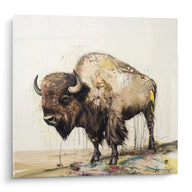


Vosges Wildlife Wall Art
Our Painting Vosges Animals collection celebrates the iconic fauna of the Vosges massif through captivating artistic creations. Each work features deer, lynx, chamois and other species in their natural habitat. Perfect for nature lovers, this selection of Vosges wildlife paintings brings an authentic and wild touch to your decor. The Vosgian forest animals come to life on your walls to create a warm and inspiring atmosphere.
 Vosges Cattle Wall Art - Rural Pasture - Vosges Edition$249.90
 Vosges Farm Wall Art - Rural Landscape with Cattle - Vosges Edition$249.90
 Expressionist Cattle Wall Art - Bovine Gazes - Vosges Edition$249.90
Explore further
In Vosges Wildlife Wall Art
All about Vosges Wildlife Wall Art
- Presentation Wall Art Vosges Animals
- Vosgian Wildlife and Decoration
- Authentic Mountain Atmosphere
- Symbolism and Natural Heritage
Wall representations of Vosgian wildlife celebrate the natural identity of the mountain range. These large-format compositions capture the essence of the inhabitants of the forests, meadows and Vosgian ridges, from the majestic deer to the agile chamois, and the boreal lynx recently reintroduced. Each piece is a visual tribute to the preserved biodiversity of this iconic territory, transforming interior spaces into windows overlooking forest ecosystems and mountain landscapes. To complement this regional atmosphere, discover our creations dedicated to the autumnal colors of the Vosges , which enhance the seasonal transformations of the mountain.
Vosgian Wildlife Enhanced in Your Wall Decoration
Iconic Species of the Massif Captured in Large Format
A painting Vosges animals reveals the exceptional diversity of species that populate the different vegetation levels of the mountain range. The roe deer, princes of the beech and fir forests, dominate these monumental compositions with their imposing silhouettes photographed during the autumn rut. The chamois of the High Vosges bring an alpine dimension to the creations, their graceful leaps on the granite rocks of the ridges illustrating the remarkable adaptation of the fauna to high-altitude environments. The capercaillie, a protected species and symbol of the old forests, enriches these representations with a touch of ornithological rarity.
How to integrate Vosgian wildlife into a contemporary interior?
Integrating a Vosges animals wall art into a modern space requires highlighting the contrast between wild authenticity and architectural refinement. Panoramic formats depicting herds of deer crossing misty clearings create exceptional visual depth against a minimalist backdrop. In renovated chalets with contemporary materials, these animal representations restore the link with the local natural heritage while serving as a sculptural focal point. The boreal lynx captured in their forest habitat bring an intensity particularly suited to offices or libraries requiring concentration and inspiration.
Vosgian Biological Cycles as Visual Narrative
Large-scale compositions document the seasonal rhythms specific to Vosgian wildlife. Wild boars rooting in November undergrowth, roe deer leaping in the fresh snow of the hollows, or marmots emerging from spring hibernation tell the natural cycles of the mountain. This temporal dimension transforms each piece into a living calendar of the Vosges, where the attentive observer recognizes the signs of the mountain seasons. Large formats allow you to appreciate behavioral details: the muscular tension of a feline approaching, the breath vapor of a cervid on a frosty morning, the alert of erect ears facing an invisible danger.
Real Estate Enhancement and Territorial Identity
In Vosgian properties intended for seasonal rentals, a Vosges animals wall art functions as an immediately recognizable signature identity. Visitors seeking an authentic mountain experience appreciate these direct visual references to the local natural heritage, reinforcing their sense of territorial immersion. For primary residences, these works constitute a strong geographical anchor, particularly valued by native people of the region who live elsewhere and maintain a symbolic link with their homeland. Endemic or reintroduced species such as the lynx also carry an eco-responsible dimension appreciated by audiences sensitive to conservation.
Create an Authentic Mountain Atmosphere with Local Wildlife
The Atmosphere of the Vosges Forests Recreated Indoors
A painting Vosges animals transports the silent atmosphere of spruce and beech forests into living spaces. The dominant hues of these creations – the grey-brown of winter coats, the ochres of dry ferns, the deep greens of conifers – recreate the characteristic color palette of the Vosges undergrowth. The imposing formats allow for an almost sensory immersion: facing a stag of natural size emerging from the morning mist, the observer almost feels the fresh humidity and the smell of moss from the forest paths. This evocative ability transforms living rooms and entrance halls into symbolic thresholds between civilization and wild nature.
What decorative associations enhance the Vosges animal theme?
The optimal decorative environment for a Vosges animals painting borrows from the raw materials of the massif. Solid beech wood – the dominant species of the Vosges forests – in furniture or wall covering creates an obvious material coherence. Natural wool textiles recall the traditional sheep farming of the high plateaus, while pink sandstone elements evoke the characteristic rocky outcrops. Lighting fixtures made of deer antlers – naturally collected forest waste – establish a direct dialogue with the subjects depicted. This layering of authentic elements amplifies the territorial dimension without veering into folk revivalism.
The Different Vosges Habitats and Their Visual Expression
The Vosges animal creations reflect the diversity of the massif's natural environments. Dense forest compositions show deer, wild boar and badgers in the intimacy of cathedral-like groves where sunlight barely penetrates. Scenes of high plateaus – these characteristic high-altitude meadows – present chamois and mouflon against a changing sky, where low clouds create dramatic atmospheres. Winter representations with lynx or foxes on fresh snow capture the climatic severity of the Vosges ridges in the cold season. This variety allows the choice to be adapted to the desired character: contemplative tranquility of forest scenes or dynamism of high-altitude compositions.
Educational Dimension and Environmental Awareness
In tourist welcome structures or educational establishments in the Vosges, these representations play a pedagogical role. A Vosges animals painting precisely identifying the species – grand tetra in display, European forest cat, Tengmalm's owl – raises awareness of local biodiversity issues. Monumental formats facilitate the observation of distinctive morphological characteristics, transforming each room into a permanent didactic support. For private owners invested in environmental preservation, these works materialize their commitment to wildlife, creating natural conversations about ecological themes with visitors.
Symbolism and Vosges Natural Heritage in Mural Representation
The Totemic Animals of the Vosges and Their Cultural Significance
Each species represented in a painting Vosges animals carries a symbolic charge rooted in the mountain imagination. The deer embodies forest majesty and the ancestral connection between hunters and nature, a tradition perpetuated in the Vosgian communities for centuries. The lynx, extinct then reintroduced, symbolizes ecological resilience and environmental restoration efforts, particularly resonating with eco-conscious audiences. The chamois represents adaptation to extreme environments and the freedom of the summits, values appreciated by outdoor and hiking enthusiasts. These symbolic dimensions enrich the decorative presence of a narrative depth that visitors intuitively decipher.
Why choose Vosgian wildlife rather than exotic animals?
The territorial anchoring of a Vosges animals painting offers an authenticity impossible to reproduce with exotic representations. For properties located in the massif or its surroundings, this geographical consistency creates a natural harmony between interior and exterior landscape visible through the windows. Local species evoke potential encounters experienced during hikes – this deer spotted at the turn of a trail, these lynx tracks discovered in the snow – transforming the visual into a support for personal memory. This experiential dimension is lacking in representations of distant animals, however spectacular they may be. The local option also affirms a form of regional pride and valorization of the nearby natural heritage.
Conservation and Documentation of Wildlife Heritage
Vosgian animal compositions constitute a form of visual documentation of mountain ecosystems at a given time. With climate change modifying distribution areas and animal populations, these representations acquire a testimonial dimension. Sensitive species – the capercaillie in decline, the lynx still rare – see their presence visually perpetuated, raising awareness of the fragility of natural balances. For collectors invested in the regional theme, following the evolution of representations over several decades documents the landscape and faunal transformations of the massif, creating a collection with an almost archival value beyond the decorative aspect.
FAQ - Frequently Asked Questions about Vosges Paintings Animals
What format is best to highlight Vosgian wildlife in a large living room?
For vast reception areas, opt for panoramic formats exceeding 150 cm in width that allow representing complete scenes: a herd of deer crossing a clearing, a family of wild boars on the edge of a forest. These monumental dimensions create an immersive visual window while respecting the proportions of the animals represented at a realistic scale, reinforcing the naturalistic impact of the composition.
Are Vosgian animal representations suitable for professional spaces?
Absolutely, particularly for tourist structures, forest companies, medical offices or reception areas seeking to affirm their Vosgian territorial anchoring. A Vosges animals painting brings a soothing and prestigious dimension appreciated in a professional context, while subtly communicating values of local roots and environmental respect that strengthen the brand image.
How to maintain a Vosgian wildlife representation in a large format?
Large dimensions require regular dusting with a dry microfiber cloth to preserve the sharpness of animal details – fur texture, eye shine. Avoid direct sunlight exposure, which could alter the subtle nuances of the forest tones (grays, browns, dark greens) characteristic of the Vosges palette. A location with indirect natural light or neutral LED lighting optimally enhances the contrasts and depth of these naturalistic compositions.
Further reading
Our articles on this topic
- How to Create Stunning Forest Animal Paintings
- Animal Decor: Transform Your Walls with Art
- Are animal paintings only appropriate in a veterinary clinic?
- Vosges Forest Painting: the Right Material Pairings for a Successful Chalet
- Farm Animals Vintage Illustration Painting: The Guide to an Authentic Country Kitchen
- Bear painting in nature: what mountain chalet atmosphere to create?
L'art qui suscite l'envie
Maison belge d'art mural grand format
14 jourspour changer d'avis*
Protection Walenskyincluse
Fabriquéen Italie
FormatXXL
Kit de fixationtoujours fourni
* Hors tableaux personnalisés et tailles personnalisées


