

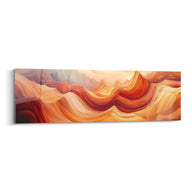


Wall Art for Wellness Center Cascade
The Painting for wellness center Cascade transforms your therapeutic space into a haven of peace. This collection captures the natural beauty of relaxing cascades for wellness centers with visual compositions that evoke fluidity and serenity. Perfect for massage rooms, spas and yoga studios, these works create a zen atmosphere through the art of waterfalls. Each creation invites meditation and letting go, amplifying your clients' wellness experience.
 Waterfall Artwork No.3 - Landscape Edition$249.90
 Waterfall Wall Art No.2 - Landscape Edition$249.90
 Waterfall Wall Art No.1 - Landscape Edition$249.90
 Light Cascade Wall Art - Nature Waterfall Edition$249.90
 Golden Cascade Wall Art - Cascade Nature Edition$249.90
 Artistic landscape wall art No. 1 - Landscape edition$249.90
 Enchanted Dawn Over Aquatic Paradise - Landscape Edition$249.90
 Secret Oasis Under Canopy of Greenery - Landscape Edition$249.90
Explore further
In Wall Art for Wellness Center Cascade
-
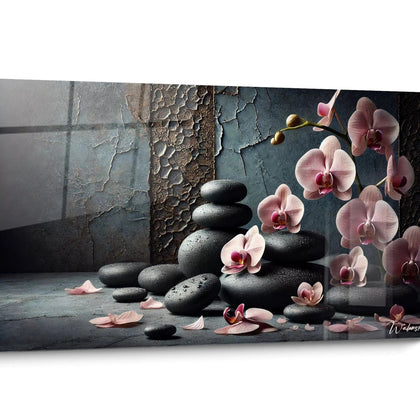 Wall Art for Wellness Center101
artworks
-
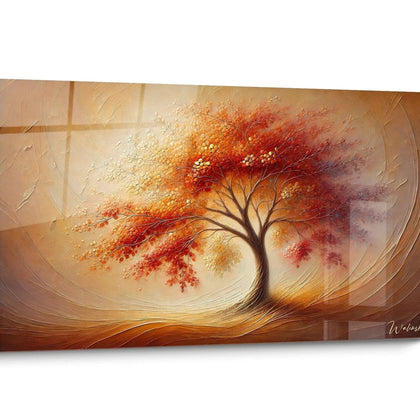 Wall Art for Zen Wellness Center24
artworks
-
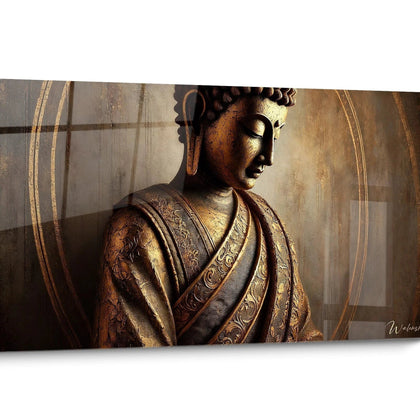 Buddha Wellness Center Wall Art15
artworks
-
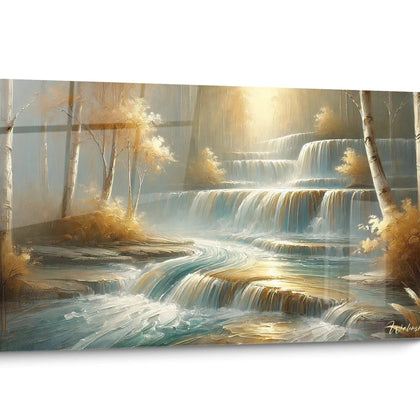 Golden Wellness Center Wall Art18
artworks
-
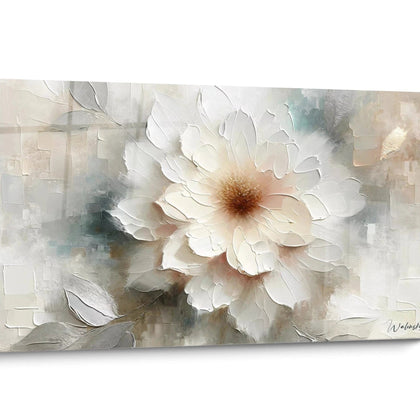 Abstract Wellness Center Wall Art15
artworks
-
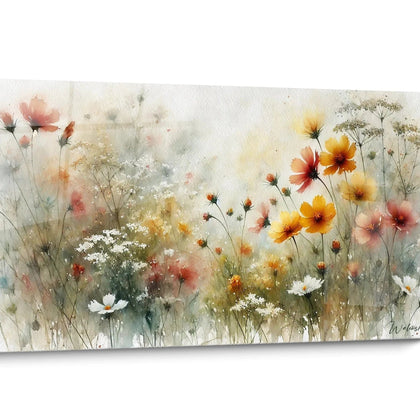 Wellness Center Wall Art Floral24
artworks
-
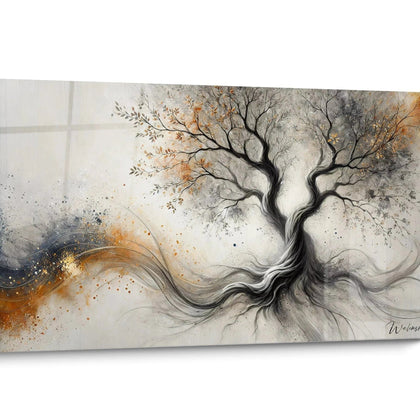 Wall Art for Wellness Center Tree of Life10
artworks
-
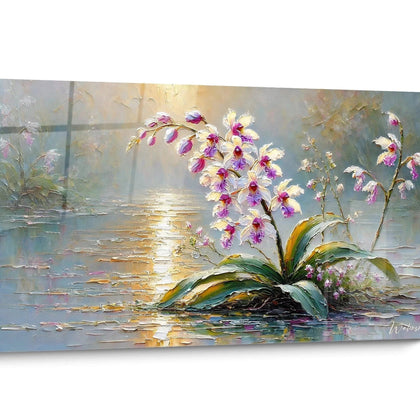 Orchid Wellness Center Wall Art9
artworks
-
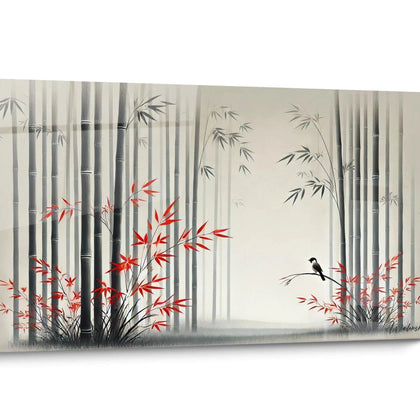 Wall Art for Wellness Center Bamboo5
artworks
-
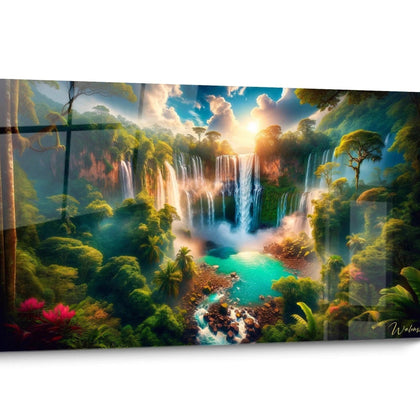 Landscape Wall Art for Wellness Centers13
artworks
-
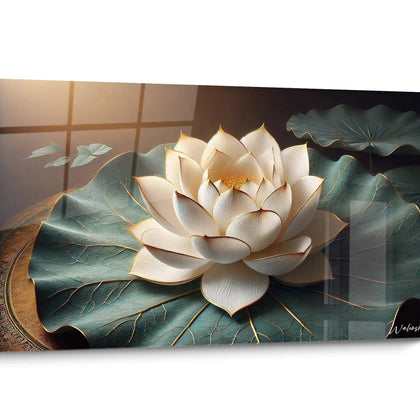 Wall Art for Lotus Wellness Center6
artworks
All about Wall Art for Wellness Center Cascade
- Presentation Painting Cascade
- Aquatic Atmosphere
- Sensory Benefits
- Integration into Relaxation Spaces
A painting for wellness center Cascade embodies the very essence of aquatic serenity in spaces dedicated to relaxation and regeneration. This large-scale wall décor captures the perpetual movement of water, creating an immersive visual presence that instantly transforms the ambiance of a therapeutic space. The cascade imagery perfectly meets the expectations of wellness professionals seeking an atmosphere conducive to mental disconnection and sensory soothing for their clients.
The immersive effect of the cascade in care spaces
Installing a painting for wellness center Cascade creates an immediate connection with the aquatic element, triggering measurable physiological responses in visitors. Visual representations of waterfalls naturally activate brain areas associated with relaxation, reducing stress markers even before the start of treatments. This sensory anticipation optimizes the effectiveness of treatments by preparing the nervous system for deep relaxation.
What influence does it have on the perception of sound in aquatic spaces?
The visual presence of a cascade generates a fascinating psychoacoustic phenomenon: clients report perceiving a quieter and more soothing environment, even without actual sound modification. This sensory illusion is explained by the mental association between the image of moving water and soothing natural sounds. Centers integrating this wall décor into their massage aquatic rooms or balneotherapy facilities note a significant decrease in complaints related to ambient noise.
The impact on the energy circulation of spaces
According to the principles of feng shui applied to wellness establishments, a large cascade painting activates the descending energy flow, promoting grounding and tension release. Positioned strategically in a transition zone between the reception area and treatment rooms, it visually materializes the passage from an active mental state to a receptive one. Practitioners of energy therapies note a faster adaptation of their clients to therapeutic protocols when this visual element structures the space.
The symbolism of purification in wellness journeys
Beyond aesthetics, this representation conveys a powerful symbolic dimension in care pathways: that of cleansing and renewal. Clients subconsciously interpret the cascade as a metaphor for purification, reinforcing the perceived effectiveness of detoxifying treatments or exfoliation rituals. This psychological dimension justifies the investment in generous formats that maximize visual presence and emotional impact in preparation areas.
The therapeutic virtues of cascade imagery in professional environments
How does this décor influence the perceived thermal regulation?
An often-overlooked aspect is the psychological cooling effect generated by a painting for wellness center Cascade in spaces where heat is part of the therapeutic protocol. In infrared saunas or hammams, this aquatic imagery creates a mental contrast that improves tolerance to high temperatures. Spa establishments note a session duration extended by 15 to 20% when these visuals are integrated into heat zones, without modifying physical parameters.
Activation of the parasympathetic nervous system by descending aquatic motifs
Neuroscience demonstrates that observing downward movements preferentially activates the parasympathetic nervous system, responsible for rest and digestion functions. A cascade painting in a large format exploits this mechanism by offering a clear visual direction that guides the gaze downwards, inducing deeper breathing and a decrease in heart rate. Meditation and yoga centers strategically integrate this decoration into transition areas to facilitate entry into a meditative state.
The pronounced vertical orientation of these compositions also responds to the specific needs of rooms with high ceilings typical of thermal and thalassotherapy centers. The imposing format visually fills the vertical space while creating an optical connection between the floor and ceiling, structuring the interior architecture organically. This visual continuity avoids the unpleasant feeling of emptiness in generous volumes.
Color consistency with hydrotherapeutic protocols
The palettes of blues, emerald greens, and vibrant whites characterizing the cascade paintings naturally harmonize with hydrotherapy equipment and balneotherapy pools. This color consistency reinforces the aquatic thematic identity without requiring costly architectural transformations. For establishments offering abstract wellness center paintings, adding a cascade representation in specifically aquatic areas allows for functional differentiation of spaces while maintaining a global aesthetic unity.
Implementation strategies in different therapeutic areas
Optimization of pre-treatment waiting areas
The placement of a wellness center Cascade painting in the immediate waiting area transforms this potentially anxiety-inducing waiting time into a beneficial mental preparation. Clients whose gaze naturally focuses on these aquatic representations show a measurable decrease in blood pressure in 3 to 5 minutes, optimizing their receptivity to care. Large wall formats create a focal point that structures the space and naturally guides the seated posture towards a relaxed position.
What does this decoration bring to individual treatment rooms?
Contrary to popular belief, integrating a visual cascade into the restricted space of a massage or facial treatment room does not create sensory overload, but rather an immersive cocoon effect. Positioned within the client's field of vision while lying down, it offers a gentle focus support during protocol downtime. Practitioners report a significant reduction in anxious verbalizations during treatments when this visual element structures the immediate environment.
Integration into aquatic sensory pathways
In establishments offering complete pathways including baths, sensory showers, and relaxation areas, the cascade painting visually materializes the guiding theme of the pathway. Its strategic placement in transition areas between different water temperatures mentally accompanies the therapeutic progression. This narrative continuity reinforces the overall experience and justifies the premium pricing of extended wellness packages.
Enhancing post-treatment relaxation areas
The post-treatment phase is a crucial moment often neglected in the design of centers. A large format representing a cascade in the relaxation area prolongs the physiological benefits by maintaining the parasympathetic activation initiated during the treatment. Clients allowed to remain 15-20 minutes in this visually structured environment show better retention of therapeutic effects measured up to 48 hours after the session.
Is a wellness center Cascade painting suitable for spaces of energetic practices?
Absolutely, reiki, reflexology, and shiatsu practitioners favor these representations for their ability to visualize the descending energy flow. Aquatic imagery conceptually supports drainage and blockage removal techniques, reinforcing the perceived effectiveness of sessions through a consistent visual metaphor.
What a difference in impact between a forest cascade and a rocky cascade?
Cascades integrated into a forest environment activate more associations with phytotherapy and aromatherapy, while versions on bare rock evoke minerality and harmonize better with protocols using hot stones, crystals, or thermal muds. The choice depends on the therapeutic specialization of the establishment.
How to measure the return on investment of such a large painting?
Relevant indicators include the average client stay duration (typical increase of 18-25%), subscription renewal rates, and spontaneous mentions of the ambiance in online reviews. Centers documenting these metrics before and after installation generally observe a significant improvement justifying the initial investment in a premium format.
Further reading
Our articles on this topic
- Tropical Rainforest Waterfall Painting: the nature atmosphere that boosts focus at the office
- How can a painting create a visual transition between the changing room and the practice room?
- Are Monochrome Paintings Calming Enough for a Spa?
- Do Water-Themed Artworks Enhance a Spa Atmosphere?
- What Waterfall Artworks Bring a Visual Auditory Dimension?
- Glass acrylic painting with zen stone and beige sand: the perfect pairing for a calming spa
L'art qui suscite l'envie
Maison belge d'art mural grand format
14 jourspour changer d'avis*
Protection Walenskyincluse
Fabriquéen Italie
FormatXXL
Kit de fixationtoujours fourni
* Hors tableaux personnalisés et tailles personnalisées


