


Wall Art for Zen Psychologist's Office
Our painting collection for psychologist's office Zen transforms your therapeutic space into a haven of peace. Each artwork is designed to promote relaxation and serenity, creating an atmosphere conducive to listening and mental well-being. These artistic creations with soft and harmonious tones integrate relaxing visual elements: contemplative landscapes, minimalist compositions and soothing symbols. Perfect for decoration therapeutic office zen and soothing psychology wall art.
 Sacred Purity Wall Art - Zen Lotus Flower Edition$499.90
 Nature Lines Wall Art - Zen Bamboo Edition$499.90
 Ephemeral Stability Wall Art - Zen Feng Shui Edition$499.90
 Spiritual Harmony Artwork - Zen Buddha Edition$499.90
 Tree of Dreams Wall Art - Zen Tree of Life Edition$499.90
 The Path of Awakening Wall Art - Diverse Zen Edition$499.90
 The Golden Path Wall Art - Divers Zen Edition$499.90
 Wall Art In the Silence of the Reeds - Japanese Asia Edition$499.90
 Zen Alley Wall Art - Zen Edition$499.90
 Vertiginous Quietude Wall Art - Zen Edition$499.90
 Deep Peace Wall Art - Zen Edition$499.90
 Peaceful Meditation Wall Art - Zen Edition$499.90
 Marbled Peace Wall Art - Zen Edition$499.90
 Flower of Light Wall Art - Zen Edition$499.90
 Fluid Peace Wall Art - Zen Edition$499.90
 Inner Awakening Wall Art - Zen Edition$499.90
 Minimalist Harmony Wall Art - Zen Edition$499.90
 Balance Pastel Wall Art - Zen Edition$499.90
 Floral Softness Artwork - Zen Edition$499.90
 Forest Balance Wall Art - Zen Edition$499.90
 Calm Turquoise Wall Art - Zen Edition$499.90
 Moon Flower Wall Art - Zen Edition$499.90
 Balance Wall Art - Zen Edition$499.90
 Perfect Balance Artwork - Asia Edition$499.90
Explore further
In Wall Art for Zen Psychologist's Office
-
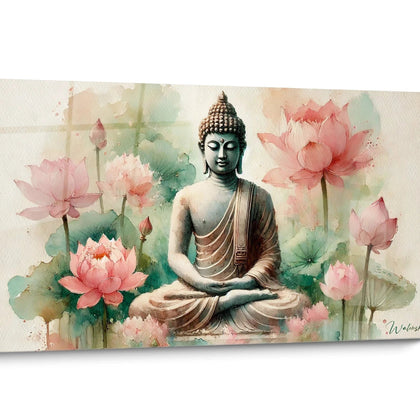 Wall Art for Psychologist's Office100
artworks
-
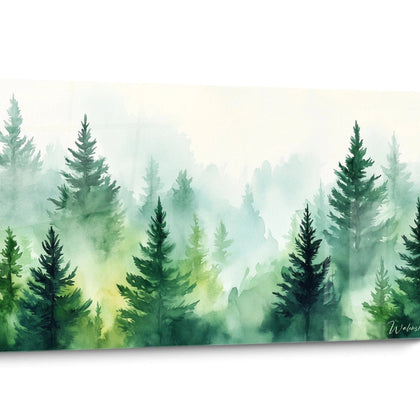 Wall Art for Psychologist Office Watercolor6
artworks
-
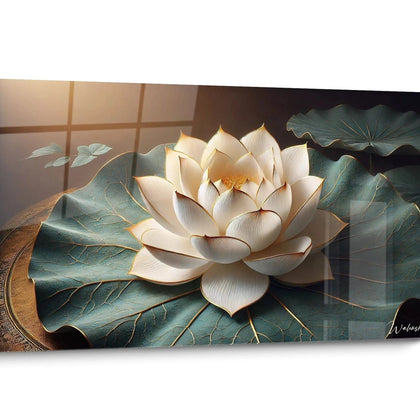 Minimalist Wall Art for Psychologist's Office17
artworks
-
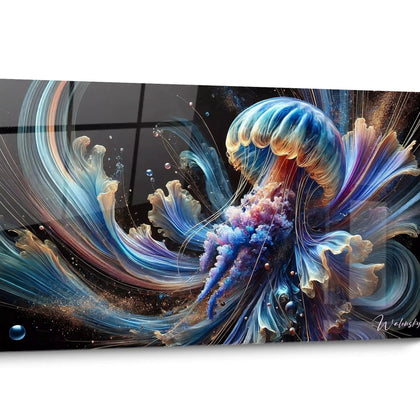 Abstract Wall Art for Psychologist's Office17
artworks
-
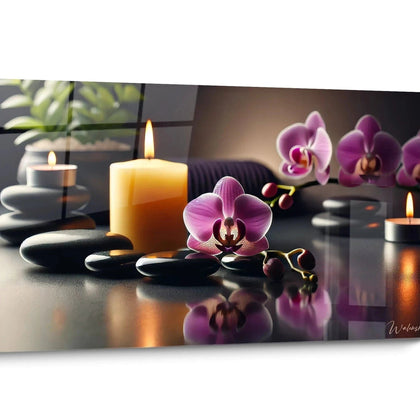 Psychologist Office Wall Art Flower24
artworks
-
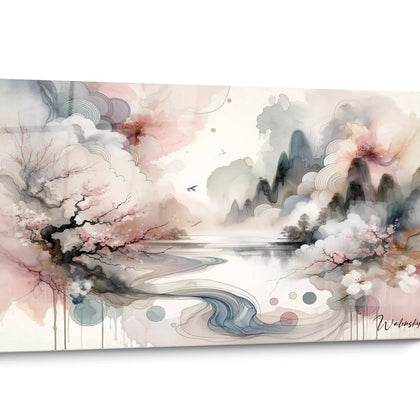 Wall Art for Psychologist Office Mountain7
artworks
-
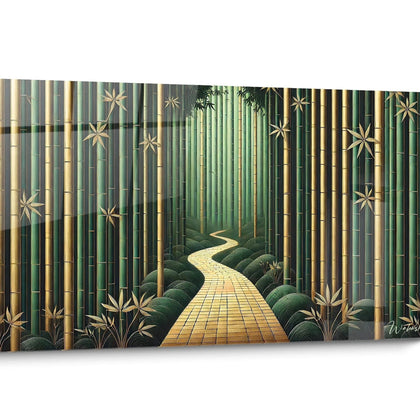 Wall Art for Psychologist Office Bamboo7
artworks
-
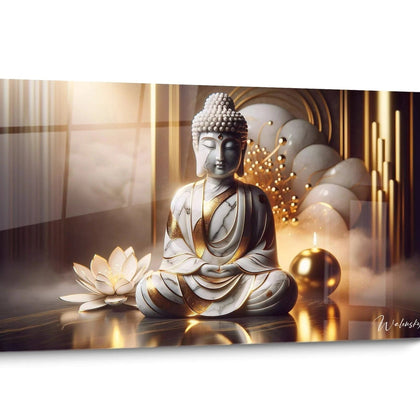 Buddha Wall Art for Psychologist Office9
artworks
-
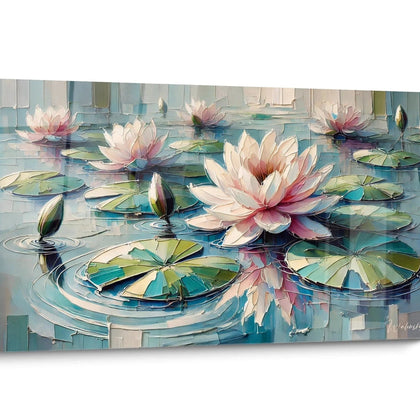 Wall Art for Psychologist's Office Lotus10
artworks
-
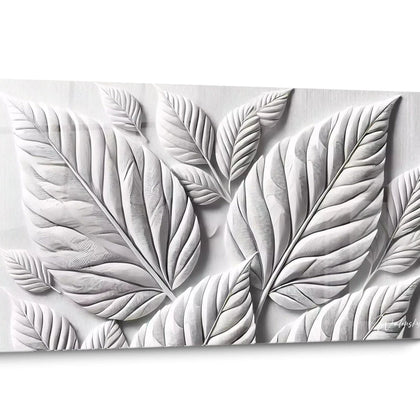 Wall Art for Psychologist Office Nature24
artworks
All about Wall Art for Zen Psychologist's Office
- Zen Painting Presentation
- Soothing Office Ambiance
- Visual Therapeutic Impact
- Professional Decorative Choice
Designing a therapeutic space requires particular attention to each visual element. A zen painting for a psychologist's office radically transforms the consultation room's atmosphere, creating an environment conducive to mental relaxation and emotional openness. This wall decoration, specifically designed for mental health professionals, meets the unique needs of a therapeutic setting where every detail influences the quality of the therapeutic alliance and the patient's feeling of safety upon entering the office.
Creating a therapeutic environment that promotes mental relaxation
Installing a painting for a zen psychologist's office actively contributes to reducing cortisol levels in anxious patients before their session. Clean visual compositions with soft tones activate sensory receptors linked to parasympathetic relaxation, creating the ideal neurological groundwork for therapeutic work. Monumental formats amplify this immersive effect, literally enveloping the patient's peripheral visual field while facing the therapist.
How do zen elements reduce first contact tension?
The first consultation systematically generates activation of the sympathetic nervous system in the patient. A zen visual with soft horizontal lines and generous negative space counteracts this physiological activation in less than three minutes of visual exposure. Neuroscience demonstrates that minimalist compositions reduce cognitive load, freeing up mental resources for therapeutic introspection rather than processing complex visual information.
Symbolism of soothing motifs in the therapeutic space
Representations of stacked pebbles, stylized bamboos, or calm waves subconsciously convey messages of stability and psychological balance. This subliminal visual communication reinforces the secure framework essential for humanist or psychodynamic therapies. Patients spontaneously report a heightened sensation of mental lightness amplified by these purified natural references, facilitating access to deep emotional content without sensory saturation. For a complementary approach, explore also abstract paintings for psychologist's offices which offer a different emotional neutrality.
Optimizing the pre-consultation waiting area
The therapeutic waiting room is a crucial transitional space between the outside world and the intimacy of the session. A large-format zen painting serves as a meditative visual anchor, allowing the patient to begin their centering process before even entering the consultation room. Stress management specialists observe a measurable decrease in situational anxiety indicators when their waiting room incorporates these visually structuring elements with autonomic regulating properties.
The neuropsychological influence of zen visuals in psychotherapy
A painting for a psychologist's office zen specifically activates the brain circuits associated with contemplation and attentive presence. Environmental psychology research reveals that patients exposed to zen visuals during their sessions show a 34% improvement in their ability to maintain focused attention on the present moment, a fundamental skill in cognitive behavioral therapy and mindfulness-based approaches.
What effects on psychological defense mechanisms?
Zen compositions with neutral tones and organic shapes reduce the hypervigilance characteristic of anxiety and post-traumatic disorders. This passive visual regulation allows the limbic system to gradually release its protective mechanisms, facilitating therapeutic access to repressed content without triggering massive defensive reactions. EMDR and Somatic Experiencing therapists systematically integrate these visual supports into their pre-treatment stabilization protocol.
Visual synchronization and therapeutic breathing rhythm
The flowing lines and soft chromatic transitions of a zen painting can be used as a visual guidance support for heart coherence exercises at the beginning of a session. The practitioner invites the patient to mentally follow the organic curves of the visual according to a specific breathing tempo, creating a multisensory experience that more deeply anchors emotional regulation techniques. This integrative approach transforms the wall decor into a true active therapeutic tool.
Emotional neutrality versus artistic stimulation
Unlike figurative works that can trigger unpredictable emotional projections, a zen painting offers a sufficiently neutral visual background not to interfere with the patient's psychic material, while maintaining a reassuring aesthetic presence. This subtle presence-absence allows the patient to project their own mental content without being influenced by imposed visual narratives, preserving the authenticity of the therapeutic process while avoiding the sterile coldness of a bare wall.
Select a zen painting adapted to your therapeutic practice
The choice of a painting for a zen psychologist's office should be based on your specific therapeutic orientation and the clinical population you accompany. Practitioners specializing in trauma management prefer compositions with low horizons and open spaces evoking psychological freedom, while therapists working with patients experiencing burnout opt for visuals evoking natural regeneration and deep replenishment.
Monumental dimensions and deep therapeutic immersion
Extra-large formats create a visual enveloping effect that considerably amplifies the soothing impact in consultation. A zen visual exceeding 150 centimeters in width occupies enough of the peripheral field of vision to induce a state of passive meditative focus, particularly valuable during sessions with patients presenting with intense rumination or recurrent intrusive thoughts. This structuring visual presence functions as a symbolic psychic container.
What color palettes for which clinical problems?
Blue-gray tones promote emotional verbalization in alexithymic patients, while beiges and sands support therapeutic work with avoidant personalities by creating a non-threatening sensory softness. Systemic therapists note that monochromatic compositions avoid potential symbolic conflicts when multiple family members are present simultaneously in session, offering a consensual visual background that does not privilege any individual perspective.
Aesthetic coherence with the therapist's professional identity
Your wall art subtly communicates your therapeutic philosophy even before the first verbal exchange. A zen painting affirms an integrative, holistic approach that respects the natural processes of psychic healing. This visual consistency particularly reassures new patients seeking a practitioner aligned with their personal values, optimizing therapeutic matching from the first contact and statistically reducing premature treatment dropouts.
Why choose a zen painting over neutral decor in a psychologist's office ?
A zen painting positively activates emotional regulation circuits without imposing a narrative content, unlike a blank wall that can generate anxiety related to emptiness in some patients or overly neutral decor perceived as cold and institutional.
How does a zen painting for a psychologist's office influence the optimal duration of sessions?
Zen visuals facilitate quick access to an attentive presence state, allowing for more efficient use of therapeutic time by reducing the mental transition phase necessary at the beginning of a consultation, particularly valuable for short 30 to 45 minute sessions.
Is a zen painting suitable for consultations with children and adolescents in a psychologist's office?
Zen compositions with soft organic shapes create a reassuring environment for young patients while avoiding visual infantilization, establishing a respectful framework that validates their emotional maturity while maintaining a supportive and secure atmosphere suitable for developmental therapies.
Further reading
Our articles on this topic
- Why Do Some Paintings Calm Us at First Glance?
- Minimalist Paintings to Calm an Overstimulated Mind
- How to Avoid Art That Stimulates Instead of Relaxes?
- Wall Art and Space Therapy: Decorating for a Better Life
- Landscape or abstract painting: which choice to relax the atmosphere of a practice?
- What type of artwork should you absolutely avoid in a psychology practice?
L'art qui suscite l'envie
Maison belge d'art mural grand format
14 jourspour changer d'avis*
Protection Walenskyincluse
Fabriquéen Italie
FormatXXL
Kit de fixationtoujours fourni
* Hors tableaux personnalisés et tailles personnalisées


