

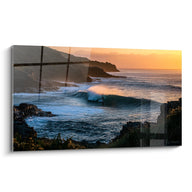


Black and White Aquatic Animal Wall Art
The Animal painting black and white Aquatic celebrates the timeless beauty of marine wildlife through a refined monochrome aesthetic. This collection explores the universe of the oceans with a minimalist and contemplative approach, where each marine creature comes to life in a striking contrast. From black and white marine creatures to clean compositions, these works bring a touch of natural elegance to your interior. Perfect for lovers of minimalist aquatic art, this graphic universe transforms your space into an ode to underwater life.
 Translucent Jellyfish Wall Art - Aquatic Grace - Black and White Animals Edition$249.90
 Betta Fish Wall Art - Elegant Aquatic Dance - Black and White Animals Edition$249.90
 Betta Fish Wall Art - Aquatic Dance - Black and White Animals Edition$249.90
 Betta Fish Artwork - Aquatic Dance - Black and White Animals Edition$249.90
 Fighting Fish Wall Art - Aquatic Dance - Black and White Animals Edition$249.90
 Humpback Whale Wall Art - Oceanic Majesty - Black and White Animals Edition$249.90
 Translucent Jellyfish Artwork - Aquatic Grace - Black and White Animals Edition$249.90
Explore further
In Black and White Aquatic Animal Wall Art
-
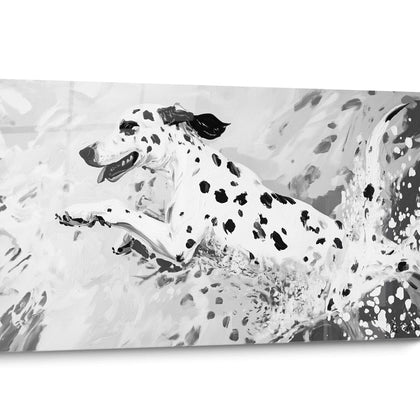 Black and white animal wall art38
artworks
-
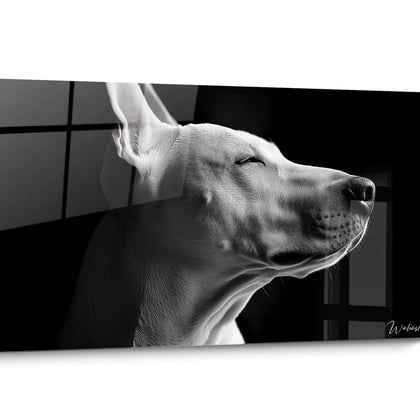 Black and White Animal Portrait Wall Art13
artworks
-
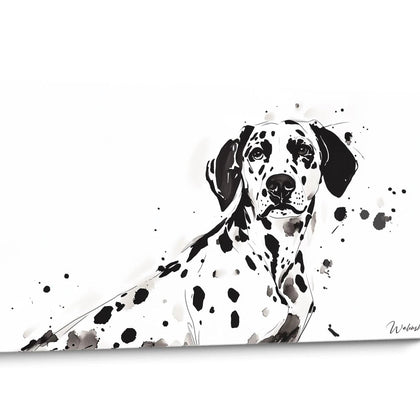 Minimalist Black and White Animal Wall Art13
artworks
-
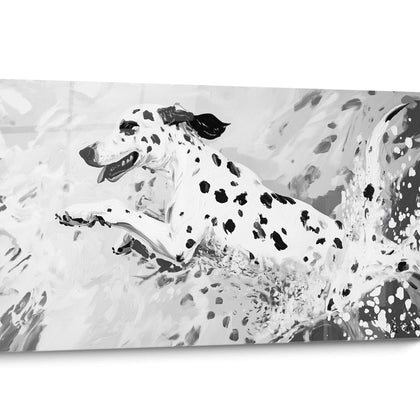 Black and White Animal Movement Wall Art9
artworks
-
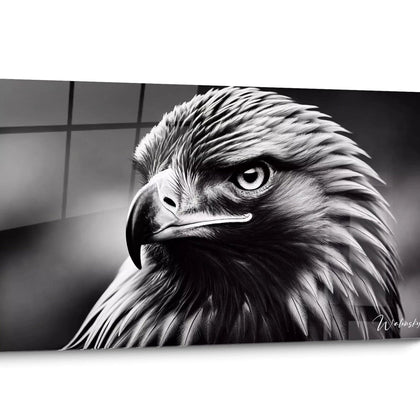 Black and White Realistic Animal Wall Art11
artworks
-
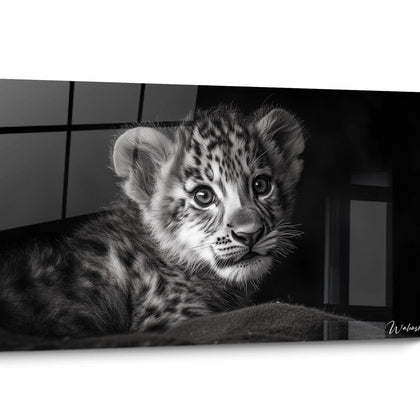 Modern Black and White Animal Wall Art17
artworks
All about Black and White Aquatic Animal Wall Art
- Painting Presentation animals black and white Aquatic
- Monochrome Aquatic Universe
- Marine Creatures in Black and White
- Contemporary Aquatic Decoration
The painting animals black and white aquatic represents an artistic fusion between the fascinating world of the marine depths and the timeless elegance of monochrome. These wall creations capture the majesty of oceanic creatures in a striking contrast, transforming each space into a sophisticated aquatic sanctuary. The absence of color reveals the scaly texture of the fish, the fluidity of the jellyfish, and the power of marine mammals with an incomparable visual intensity. These large-scale works exploit the narrative power of black and white to magnify the complex anatomy and graceful movements of the underwater fauna.
The Monochrome Aesthetics of Marine Depths in Wall Decoration
The animal painting black and white aquatic transcends the simple marine representation to become a visual exploration of oceanic contrasts. The suppression of color dramatically accentuates the play of light and shadow characteristic of underwater environments, revealing details often invisible in traditional color representations.
Why choose a monochrome representation for marine species?
Aquatic creatures in black and white reveal an exceptional sculptural dimension. The silvery scales of fish transform into sophisticated graphic gradients, while the translucency of jellyfish becomes a ballet of Chinese shadows. This artistic approach is particularly suitable for minimalist interiors seeking a connection with the aquatic element without the chromatic saturation of tropical works.
The large dimensions amplify the immersive impact of these compositions, creating a monumental window to the abyss. A shark three meters long captured in full swim generates a palpable visual tension, while a school of sardines in tight formation produces fascinating geometric patterns. This monumentality transforms n'imест into an architectural aquarium.
The fluid architecture of marine mammals in monochrome
Whales, dolphins, and orcas are beautifully translated in black and white thanks to their naturally bicolored physiognomy. Their perfect hydrodynamics create elegant curved lines that guide the eye through the composition. These giants of the sea bring a contemplative and meditative dimension, particularly suitable for spaces requiring a soothing atmosphere such as specialized thalassotherapy clinics or aquatic wellness centers.
The texture of cetacean skin, magnified by monochrome contrast, reveals infinite nuances between anthracite gray and dazzling white. This tonal richness allows for harmonious integration with contemporary materials such as polished concrete, brushed steel, or frosted glass. Explore also the animal painting black and white movement to complement this aquatic dynamic with other creatures in action.
Marine invertebrates: an exceptional organic geometry
Jellyfish, octopuses, and squids offer organic compositions of remarkable visual complexity in monochrome. The sinuous tentacles create natural arabesques, while the bioluminescence suggested by the highlights generates a mysterious atmosphere. These species are perfectly suited to contemporary interiors seeking biological sophistication, particularly in spaces related to marine research or seafood-specialized restaurants.
Visual Composition and Spatial Impact of Monochrome Underwater Scenes
Integrating a large-scale painting of black and white aquatic animals profoundly alters the spatial perception of an interior environment. These works function as immersive openings into the oceanic universe, creating an illusory depth that visually expands confined spaces.
How do aquatic textures influence the ambiance of a room?
The representation of scales, fins, and membranes in high-definition monochrome generates a rich visual tactile wealth that compensates for the absence of color. A moonfish captured in close-up reveals a constellation of dermal details transformed into a fascinating abstract landscape. This macro approach is particularly suitable for spaces requiring contemplative focus, such as public aquarium waiting rooms or naval architect offices.
Panoramic horizontal compositions of schools of fish create a lateral movement that energizes narrow hallways or longitudinal walls. This suggested kinetics naturally guides circulation while bringing organic fluidity to rigid architectural structures. The eye instinctively follows the collective trajectory, creating a rhythmic walking experience.
The stratification of marine depths in two dimensions
Monochrome underwater scenes brilliantly exploit atmospheric perspective: creatures in the foreground display maximum contrast while those in the background blend into nebulous grays evoking aquatic density. This tonal gradation creates an illusion of oceanic depth without resorting to chromatic artifices, a particularly effective technique in spaces with low ceilings requiring visual vertical expansion.
Vertical compositions of abyssal dives, showing a column of water populated with species at different strata, generate a remarkable perceptual elevation. A sperm whale descending into the depths, surrounded progressively by graphic darkness, creates a captivating downward visual narrative. This verticality is perfect for stairwells or architectural double heights. For alternatives focused on pure form, consider minimalist black and white animal paintings which offer a complementary refined approach.
What lighting enhances monochrome aquatic contrasts?
Black and white underwater representations require controlled directional lighting mimicking the penetration of natural light into water. Zenithal grazing light accentuates suggested reliefs and organic textures, while diffused backlighting reproduces the effect of the ocean surface retro-illuminated. This approach is particularly suitable for private galleries or high-end furniture showrooms seeking a sophisticated immersive atmosphere.
The absence of chromatic reflections allows for exceptional lighting flexibility. Cool color temperatures (5000-6500K) reinforce the glacial oceanic atmosphere of polar species such as seals or narwhals, while neutral tones (3500-4500K) are better suited to tropical scenes of manta rays or whale sharks. This technical adaptability facilitates integration into environments with varying lighting constraints.
Decorative Integration and Use Contexts of Monochrome Marine Paintings
A large-scale painting of black and white aquatic animals stands out as a focal element in specific architectural contexts where the marine theme reinforces the spatial identity. These works transcend simple decoration to become conceptual statements about our relationship with the oceanic ecosystem.
Which professional spaces benefit most from monochrome aquatic decor?
Thalassotherapy centers, marine biology institutes, and veterinary clinics specializing in aquatic wildlife find an obvious thematic coherence in these representations. A monumental black and white hippocampus in a marine consultation room immediately creates an atmosphere of scientific expertise while maintaining aesthetic sophistication. This association reinforces professional credibility while humanizing the clinical environment.
Gourmet restaurants focused on seafood strategically use these works to establish a consistent visual narrative. A series of monochrome compositions depicting lobsters, oysters, and noble fish at different scales transforms the dining space into an immersive culinary gallery. This approach is particularly suitable for establishments seeking a memorable visual identity distinct from conventional nautical clichés.
The association with contemporary materials and textures
The aquatic monochrome naturally dialogues with reflective surfaces and translucent materials. A jellyfish painting in black and white placed adjacent to a sandblasted glass wall creates a conceptual echo between biological and material transparency. This synergy is perfectly suited to contemporary architectural spaces that exploit natural light and layered transparency.
Mineral textures such as slate, schist, or polished granite resonate visually with the gray tones of the represented oceanic backgrounds. A large-format print depicting a monochrome backlit coral reef above a natural stone countertop establishes a land-sea thematic continuity particularly relevant in high-end open-plan kitchens. For a complementary approach valuing individual traits, discover the black and white animal portrait paintings which offer expressive framing.
Thematic multi-panel collections for oceanic narratives
Triptychs or polyptychs depicting different species of the same ecosystem create complex visual narratives. A series of three panels showing successively a shark, a school of sardines, and a whale establishes a visual and educationally coherent food chain. This modular approach is particularly suitable for educational spaces such as oceanographic museums or environmental interpretation centers.
The rhythmic alternation between anatomical close-ups and ecosystem views maintains visual interest while avoiding compositional monotony. A diptych associating the detail of a whale fin and a panoramic view of migration creates a captivating micro-macro dialectic. This narrative sophistication elevates the black and white aquatic animal painting to the rank of conceptual artistic installation. Explore the complete universe of black and white animal paintings to discover the extent of monochrome decorative possibilities.
Frequently asked questions about monochrome aquatic paintings
Is a black and white aquatic animal painting suitable for traditional coastal ambiances?
Absolutely, but with a contemporary reinterpretation. Unlike classic color marine paintings, aquatic monochrome brings an urban sophistication that modernizes the seaside aesthetic without denaturing it. This approach is particularly suitable for renovations of coastal properties seeking to reconcile maritime heritage and current design, replacing decorative clichés with works rooted in marine biology.
How to combine several black and white aquatic animal paintings without creating visual redundancy?
Vary the scales of representation and depths of field: combine a macro close-up of scales with a panoramic migration scene, or combine a vertical composition of abyssal descent with a horizontal surface view. Also alternate visual densities between minimalist, streamlined compositions and scenes teeming with life. Discover how black and white animal paintings can bring this naturalistic diversity, while modern black and white animal paintings offer stylistic contemporary interpretations to enrich your aquatic collection.
What thematic depth to prioritize: coastal species or abyssal creatures?
Familiar coastal species (dolphins, turtles, tropical fish) create an immediate emotional accessibility, ideal for residential or welcoming spaces. Abyssal creatures (giant squids, bioluminescent fish, anglerfish) generate a more mysterious fascination better suited to conceptual spaces or galleries. For professional environments related to oceanographic research, prioritize endemic regional species that establish a geographically relevant connection with the local context.
Further reading
Our articles on this topic
- Whale Painting Minimalist Ocean: Create a Soothing Adult Bedroom
- Peterbald cat painting in watercolour, white background: the art of delicate minimalism
- Deep blue watercolor megalodon underwater painting: choosing the right support and lighting
- Vintage black and white duck painting: the ideal graphic touch for an office
- Whale painting deep blue ocean background in acrylic print: the technical guide
- Are Aquatic-Themed Paintings Too Obvious for a Bathroom?
L'art qui suscite l'envie
Maison belge d'art mural grand format
14 jourspour changer d'avis*
Protection Walenskyincluse
Fabriquéen Italie
FormatXXL
Kit de fixationtoujours fourni
* Hors tableaux personnalisés et tailles personnalisées


