


Portrait Wall Art for Veterinary Clinic
Our Painting for Veterinary Clinic Portrait collection celebrates the beauty and emotion of the human-animal bond. Each artwork features portraits of domestic animals created with sensitivity and realism, perfect for creating a warm and reassuring atmosphere in your professional space. These decorative paintings for veterinarians enhance dogs, cats and other companions through elegant artistic compositions that will touch the hearts of your clients and enhance your clinic.
 Golden Retriever Wall Art No.2 - Animals Edition$249.90
 Doberman Wall Art No.3 - Animals Edition$249.90
 Golden Retriever Wall Art No.1 - Animals Edition$249.90
 Doberman No. 1 Artwork - Animals Edition$249.90
 Doberman Wall Art No. 2 - Animals Edition$249.90
 Puppy Wall Art No. 1 - Animals Edition$249.90
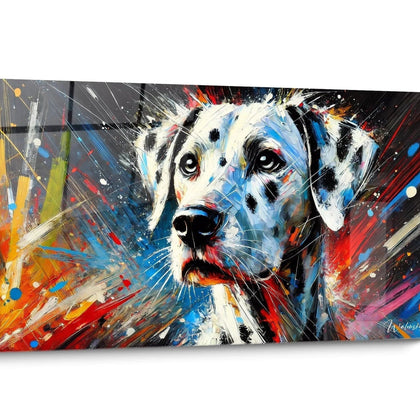
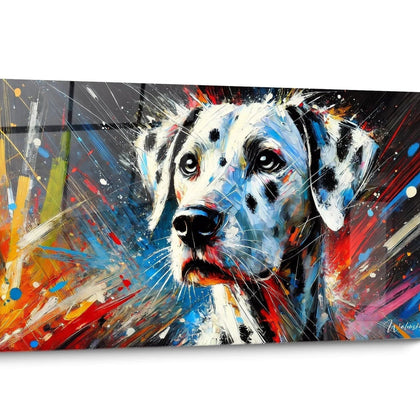
 Dalmatian Wall Art No.1 - Animal Edition$249.90
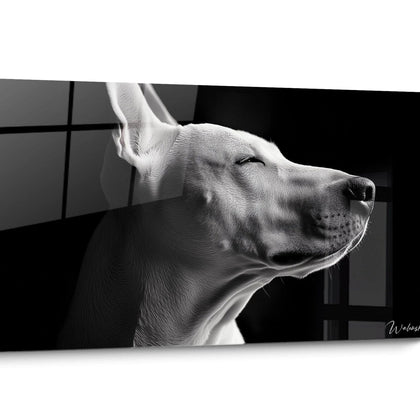
 Bull Terrier Wall Art No. 1 - Animals Edition$249.90
 Boxer N°1 - Animals Collection$249.90
 French Bulldog Wall Art N°1 - Animals Edition$249.90
 Australian Shepherd Wall Art No. 1 - Animals Edition$249.90
 Border Collie Wall Art No.1 - Animals Edition$249.90
 Basset Hound Wall Art No.2 - Animals Edition$249.90
 Beagle Wall Art No.1 - Animals Edition$249.90
 Australian Shepherd Artwork No. 2 - Animals Edition$249.90
 German Shepherd Wall Art No. 1 - Animals Edition$249.90
 Basset Hound Artwork No.1 - Animals Edition$249.90
 Amber Gaze Wall Art - Cat Animals Edition$249.90
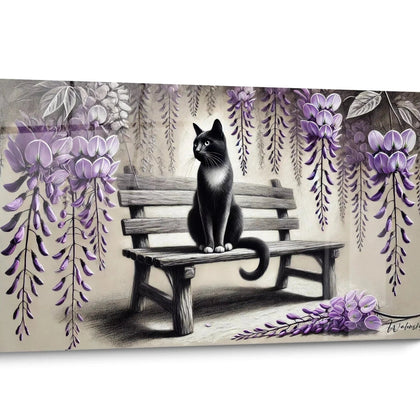
 Little Shadow Wall Art - Cat Animals Edition$249.90
 Ebony Light Wall Art - Dog - Animals Edition$249.90
 Silent Loyalty Wall Art - Dog Edition - Animals$249.90
 Noble Watcher Wall Art - Dog Edition - Animals$249.90
 Majestic Feline Gold Wall Art - Animals Edition$249.90
 Shimmering Gold Ornaments Animal Artwork - Animals Edition$249.90
Explore further
In Portrait Wall Art for Veterinary Clinic
-
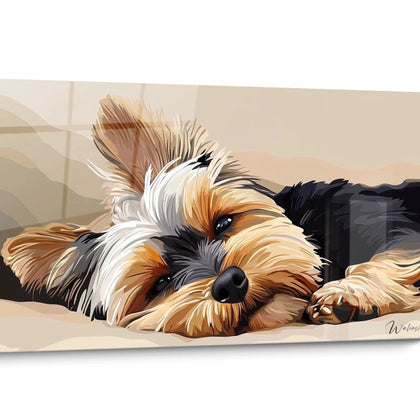 Wall Art for Veterinary Clinic64
artworks
-
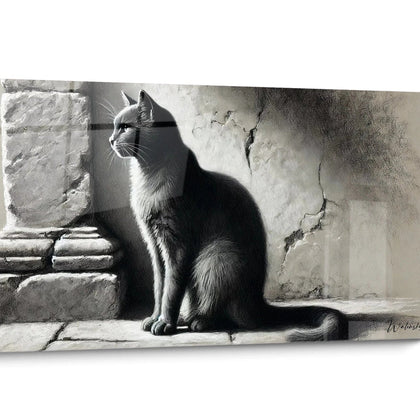 Wall Art for Veterinary Clinic Black and White15
artworks
-
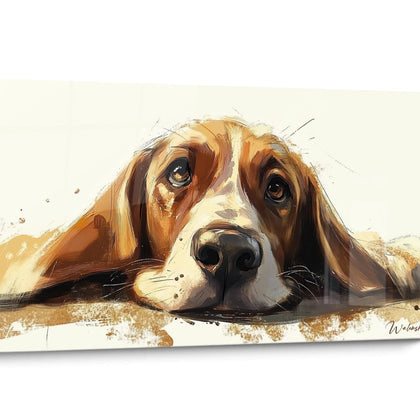 Watercolor Painting for Veterinary Clinic3
artworks
-
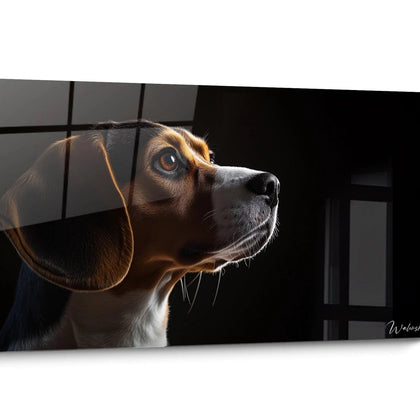 Realistic Wall Art for Veterinary Practice13
artworks
-
 Pop Art Veterinary Clinic Wall Art3
artworks
-
 Minimalist Wall Art for Veterinary Clinic9
artworks
-
 Colored Wall Art for Veterinary Office8
artworks
-
 Vintage Veterinary Office Wall Art5
artworks
All about Portrait Wall Art for Veterinary Clinic
- Veterinary Portrait Paintings Presentation
- Professional Animal Portraits
- Veterinary Clinic Decor
- Medical Visual Atmosphere
A painting for veterinary clinic portrait is a strategic decorative element in the layout of animal care spaces. These vertical representations of domestic or wild animals bring a reassuring and professional dimension to waiting rooms and consultation rooms. Designed specifically for veterinary medical environments, these large-format animal portraits create an immediate emotional bond with pet owners while showcasing the practitioner's expertise.
The psychological impact of animal portraits in veterinary spaces
Installing a painting for veterinary clinic portrait serves precise behavioral goals in managing client stress. Vertically oriented animal portraits naturally catch the eye of anxious owners while waiting before a consultation. This monumental artistic depiction of a dog, cat or horse in a noble pose transforms the clinical atmosphere into a warm space that celebrates the human-animal bond.
How do vertical portraits help calm the waiting room?
The generous dimensions of a vertical animal portrait, often exceeding 90 centimeters in height, create a dominant visual presence that diverts attention from surrounding medical noises. Unlike landscape formats, the portrait exploits the verticality of consultation walls to establish a flattering visual hierarchy. Clients unconsciously project onto these artistic representations the qualities they seek for their own companions: health, vitality, dignity.
Selecting the species depicted according to your target clientele
A practitioner specializing in feline medicine will favor portraits of European cats or prestigious breeds, while an equine clinic will opt for majestic thoroughbred representations. This decorative personalization instantly communicates your field of expertise. Large-scale portraits reveal anatomical details with a precision that fascinates owners: coat texture, intensity of gaze, characteristic morphology. For a gentler complementary approach, also discover watercolor veterinary clinic paintings that offer a delicate aesthetic.
Portrait orientation as a reinforcement of professional authority
Design studies of medical spaces show that portrait paintings enhance the perception of expertise and professional seriousness. This vertical layout unconsciously recalls the framed diplomas and certifications traditionally decorating medical practices. A large-format animal portrait placed behind the reception desk or in the consultation room establishes visual continuity between human competence and animal well-being, fundamental elements of your value proposition.
Optimizing veterinary interior architecture with monumental portraits
Integrating a painting for veterinary clinic portrait requires a thorough understanding of the architectural constraints specific to veterinary medical facilities. Animal care spaces have distinct dimensional features: sometimes low ceilings in older buildings, narrow passageways for medical trolleys, multipurpose waiting areas accommodating different species simultaneously.
Which locations maximize the visual impact of portraits?
Positioning a large-scale animal portrait must account for the traffic flows specific to veterinary clinics. The ideal location lies in the direct line of sight from the main entrance, creating a memorable first impression. Walls perpendicular to windows benefit from side natural lighting that enhances the details of the coat and the depth of the animal's gaze without creating disturbing reflections. Absolutely avoid areas exposed to splashes during the frequent cleaning required by veterinary hygiene standards.
Coordinating portraits with specialized medical furniture
A large-format animal portrait must harmonize with the surrounding veterinary equipment: stainless steel examination tables, sterilization cabinets, integrated weighing systems. The neutral tones of animal coats - grey of Chartreux cats, beige of golden retrievers, white of Lipizzaner horses - create soft visual transitions with clinical metal surfaces. This chromatic complementarity softens the perceived coldness of medical instruments while maintaining the professional atmosphere essential to client trust.
Adapting to health regulations in veterinary spaces
Veterinary environments impose intensive cleaning constraints using powerful disinfectants. A painting for veterinary clinic portrait of professional quality must withstand the ambient humidity generated by daily disinfection operations. Large formats require reinforced hanging systems capable of supporting the substantial weight while allowing quick removal for periodic wall cleaning. Favor representations with surface treatment resistant to the hygrometric variations typical of treatment rooms where wet and dry phases alternate.
Creating a distinctive medical visual identity with animal portraits
The strategic use of a painting for veterinary clinic portrait contributes to building a recognizable brand identity in a competitive sector. Pet owners remember a clinic decorated with expressive animal portraits more readily than a standardized space. This visual differentiation transforms a simple medical visit into a positive emotional experience, fostering client loyalty and spontaneous recommendations.
How do animal portraits influence price perception?
An environment enriched with high-quality artworks unconsciously justifies higher veterinary fees. Clients associate the presence of monumental animal portraits with the practitioner's investment in their professional space, extrapolating this qualitative demand to the care provided. This perception positively influences the acceptance of estimates for complex procedures or specialized treatments. Portraits of pedigree animals or exotic species particularly reinforce this association between refined surroundings and advanced veterinary expertise.
Leveraging portraits in your digital veterinary communication
A distinctive portrait painting becomes an identifiable visual element across your digital channels: photos of the waiting room for Google My Business, backdrops for educational videos on social media, illustrations for blog articles. This visual consistency between physical space and digital presence strengthens recall of your clinic. Pet owners frequently share photos taken in the waiting room on Instagram or Facebook when a remarkable decorative element catches their attention, generating valuable organic visibility.
Seasonal evolution and renewal of portraits
Periodically rotating animal portraits maintains the interest of regular clients and demonstrates the dynamism of your practice. A modular hanging system allows alternating between sled dog portraits in winter and relaxed summer cat poses. This decorative variability offers recurring communication opportunities on your digital channels, each portrait change justifying a post announcing the renewal of the clinic's atmosphere.
What portrait size suits compact veterinary spaces?
Even veterinary practices with limited floor space benefit from tall portraits of imposing size. A format 80 to 100 centimeters high creates an illusion of height that visually offsets spatial constraints. Portrait orientation makes efficient use of narrow wall spaces between doors and windows, areas often underused in veterinary layouts. This vertical optimization frees horizontal surfaces for functional medical furniture while considerably enriching the overall visual atmosphere.
Does a portrait veterinary clinic painting suit multi-practitioner practices?
Veterinary practices with several practitioners advantageously use a series of portraits depicting different animal species, each portrait corresponding to a veterinarian's specialty. This vertical gallery humanizes the medical team while helping clients find the appropriate specialist. Monumental portraits create memorable visual landmarks along client routes in large facilities with multiple consultation rooms.
How do you maintain a portrait veterinary clinic painting exposed to disinfectants?
Portraits intended for veterinary environments require weekly dusting with a dry microfiber cloth to remove airborne particles linked to animal presence. Monthly, gentle cleaning with a slightly damp solution preserves the brilliance of the colors without altering the properties of the support. Avoid direct contact with disinfectant aerosols during sanitation, either by temporarily protecting the painting or maintaining a minimum safety distance of two meters.
Are large-format animal portraits suitable for rural veterinary practices?
Rural veterinary practices specializing in livestock particularly value portraits of purebred horses or cattle that resonate with local farming activity. These monumental artistic representations establish a cultural connection with a clientele of breeders sensitive to the beauty and genetic value of animals. A portrait of an Aubrac cow or a Percheron horse in a rural clinic conveys a deep understanding of the heritage and economic issues of regional livestock farming.
Further reading
Our articles on this topic
- What type of painting humanizes a very corporate business law firm?
- Pelican painting for a clinic or waiting room: choosing a calming, symbolic motif
- What type of artwork to humanize the atmosphere of a formal notary office?
- Painting for a veterinary clinic: why avoid animals in decor and what to choose instead
- Cat portrait painting for a veterinary clinic reception: where and how to hang it
- Wall décor for a veterinary waiting room: creating a welcoming and soothing atmosphere
L'art qui suscite l'envie
Maison belge d'art mural grand format
14 jourspour changer d'avis*
Protection Walenskyincluse
Fabriquéen Italie
FormatXXL
Kit de fixationtoujours fourni
* Hors tableaux personnalisés et tailles personnalisées


