




Vintage Veterinary Office Wall Art
Our Painting Collection for Veterinary Clinic Vintage transforms your professional space into a true retro art gallery. These wall creations celebrate the animal universe with elegance and authenticity. Perfect for veterinarians passionate about vintage decor, they bring a nostalgic and reassuring touch to your waiting room. Each artwork evokes the charm of yesteryear while enhancing your wall decoration veterinary clinic with style and professionalism.
 Chihuahua Wall Art No.1 - Animals Edition$249.90
 Sunflower Vase Wall Art - Cat Animals Edition$249.90
 Under the Wisteria Wall Art - Cat Animals Edition$249.90
 Soft Floral Art Print - Cat Animals Edition$249.90
 Sweetness in Yellow Wall Art - Cat Animals Edition$249.90
Explore further
In Vintage Veterinary Office Wall Art
-
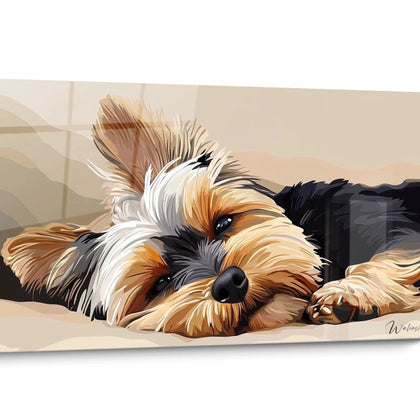 Wall Art for Veterinary Clinic64
artworks
-
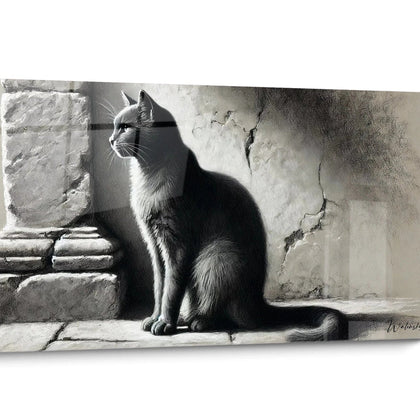 Wall Art for Veterinary Clinic Black and White15
artworks
-
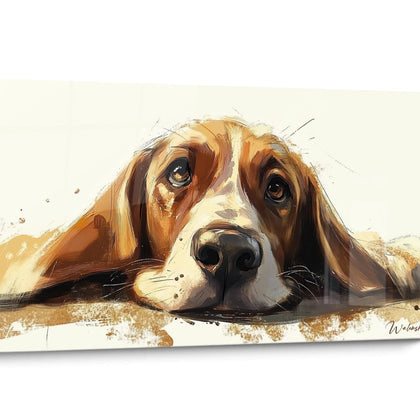 Watercolor Painting for Veterinary Clinic3
artworks
-
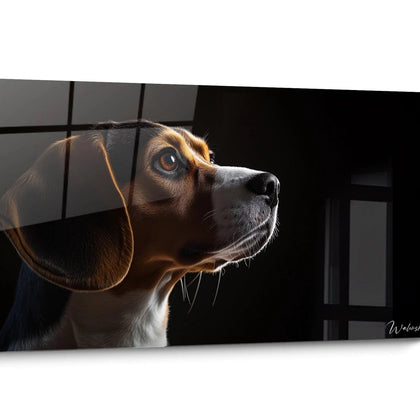 Realistic Wall Art for Veterinary Practice13
artworks
-
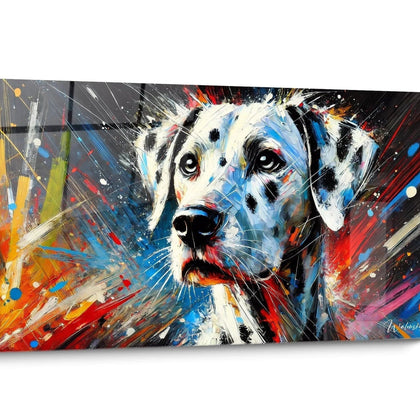 Pop Art Veterinary Clinic Wall Art3
artworks
-
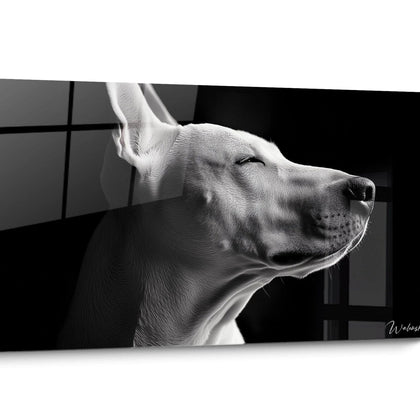 Minimalist Wall Art for Veterinary Clinic9
artworks
-
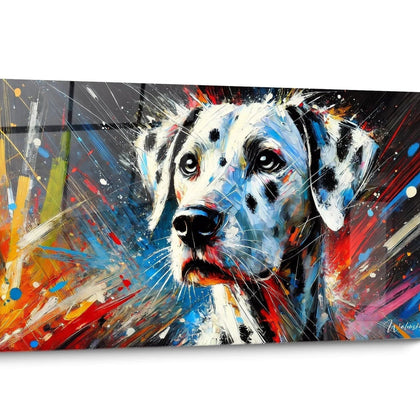 Colored Wall Art for Veterinary Office8
artworks
-
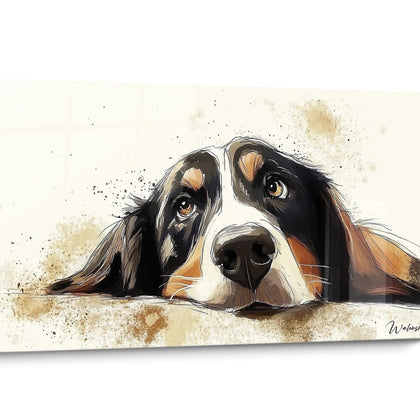 Portrait Wall Art for Veterinary Clinic24
artworks
All about Vintage Veterinary Office Wall Art
- Vintage Veterinary Painting Presentation
- Retro Ambiance Veterinary Clinic
- Vintage Visual Authenticity
- Professional Decorative Integration
Discover our exclusive collection of paintings for vintage veterinary clinics, designed to transform the atmosphere of your professional space. These large-format creations capture the nostalgic essence of veterinary medicine of yesteryear while bringing a distinctive touch to your waiting room or consultation room. Each visual evokes the legacy of practitioners from past decades, creating an immediate emotional connection with pet owners who are sensitive to the authenticity and history of the veterinary profession.
Retro Aesthetics in Service of Professional Veterinary Identity
A vintage veterinary clinic painting is much more than a simple decorative element: it affirms your attachment to the traditional values of animal medicine. These large-format representations recall the era of sepia anatomical plates, India ink medical illustrations, and early photographs of practitioners in white coats surrounded by their patients. The atmosphere created immediately evokes the trust and expertise passed down from generation to generation.
Why choose a vintage aesthetic for your veterinary clinic?
Pet owners seek reassuring environments where experience shines through. The retro graphic universe instantly communicates this historical depth, reducing consultation anxiety. The sepia, patinated beige, and aged black tones characteristic of the vintage style blend naturally into spaces with neutral tones, creating a soothing visual coherence. These monumental visuals transform impersonal clinical walls into galleries evoking the medical cabinets of curiosities of the early twentieth century.
The psychological impact of veterinary historical references
Vintage illustrations of ancient dog breeds, alley cats immortalized in the 1930s, or draft horses documented by early rural veterinarians create a powerful emotional bond. These large-format representations spark spontaneous conversations in the waiting room, humanizing the medical environment. For practices specializing in farm animals or equines, these historical references strengthen professional legitimacy by placing the practice within an ancestral lineage.
The nostalgic dimension as a differentiating factor
Faced with the standardization of modern veterinary environments, the vintage veterinary clinic painting offers a distinctive personality. Clients remember a space with authentic retro accents more readily than generic decoration. This visual strategy works particularly well for practices housed in old buildings or historic neighborhoods, where architectural harmony becomes a commercial asset. Large-format visuals immediately capture attention upon entry, creating a memorable first impression that positively influences the perception of care quality.
The vintage approach is also relevant for practitioners wishing to position themselves as craftsmen of animal health rather than anonymous technicians, thereby highlighting the relational and human dimension of traditional veterinary medicine.
Graphic Authenticity and Iconographic References of Veterinary Heritage
Selecting a vintage veterinary clinic painting requires particular attention to the authentic visual codes of the period. The most effective representations draw inspiration from nineteenth-century animal encyclopedias, posters from early pet food manufacturers, or anatomical diagrams used in pre-war veterinary schools. These precise iconographic references guarantee a stylistic coherence immediately perceptible to a cultivated clientele.
The characteristic motifs of ancient veterinary documentation
Comparative plates of breed morphologies, old-style vaccination point diagrams, or illustrations of diagnostic postures create a studious atmosphere reminiscent of period medical libraries. These large-scale visual elements transform your waiting room into a living museum of veterinary history. Art Nouveau or Art Deco typefaces, aged gilded ornamental frames, and yellowed paper effects reinforce the impression of heritage authenticity.
How do vintage tones influence the perception of space?
Typical color ranges - ochre, burnt sienna, patinated slate gray, faded olive green - profoundly alter the visual temperature of your clinic. These warm tones counterbalance the coldness of contemporary medical equipment, creating a soothing sensory balance. For consultation rooms where animals show stress, these soft colors reduce agitation by visually lowering the ambient stimulation.
If you are looking for a gentler complementary approach, explore our collection of watercolor veterinary clinic paintings, which offers a different artistic sensitivity while preserving professional elegance.
Which animals should you favor in vintage visuals?
Historical breeds that are now rare or extinct particularly fascinate natural history enthusiasts. A vintage veterinary clinic painting featuring English bulldogs from the 1890s, Persian cats of an old type, or European draft horse breeds creates enriching conversation starters. These iconographic choices subtly position your clinic as a guardian of animal heritage, valuing the preservation of lineages and in-depth knowledge of breed morphology.
Representations of antique veterinary instruments - wooden stethoscopes, leather field kits, or mechanical scales - add a museum-like dimension that discreetly educates your clientele about the evolution of care practices, thereby reinforcing the perception of medical progress while honoring the foundations of the profession.
Spatial Integration Strategies to Maximize Vintage Visual Impact
Installing a large-format vintage veterinary clinic painting requires strategic thinking about high-visibility areas. The main wall of the waiting room, facing the entrance, is the ideal location for creating an immediate immersive effect. This position ensures that every pet owner instantly perceives the distinctive visual identity of your establishment, setting your clinic apart from standardized veterinary environments.
Where should you position vintage paintings to optimize the client experience?
In consultation rooms, a monumental format placed behind the practitioner's desk creates a professional backdrop that inspires confidence during the examination. This visual composition unconsciously structures the spatial hierarchy, placing the veterinarian in an environment of historical expertise. For clinics with circulation corridors, a series of vintage visuals punctuating the route transforms transitional spaces into captivating galleries that reduce the perception of waiting.
Combining with period furniture and textures
A vintage veterinary clinic painting reaches its full potential when it interacts with coherent material elements: aged leather benches, dark wood displays, or antique terracotta tile floors. This decorative synergy creates a global sensory experience in which every element reinforces the historical narrative. Clinics housed in recent buildings can offset contemporary architecture with retro accessories - pendulum wall clocks, wrought iron shelves, or industrial lamps - that amplify the vintage effect of the monumental visuals.
What layout should you adopt for multifunctional spaces?
In clinics offering an accessories boutique alongside the medical area, the vintage theme can serve as a unifying thread for the experience. Commercial zones particularly benefit from nostalgic visuals evoking early pet shops or old agricultural supply stores, creating a narrative coherence that enhances your entire offering. XXL formats work as elegant visual dividers, delineating zones without physically partitioning the space.
Lighting suited to older representations
Large-format vintage paintings require indirect lighting that avoids reflections which would alter the patina effects. Retro-style side wall lights or adjustable spotlights with a warm color temperature (2700-3000K) preserve the chromatic authenticity of the sepia and ochre tones. This attention to lighting turns your visuals into true museum-quality works, justifying the premium positioning of your establishment.
Which vintage style suits a rural veterinary clinic best?
Clinics in rural areas will favor depictions of historical farm animals - cattle of old local breeds, heritage poultry, or traditional herding dogs. These iconographic choices resonate with the territorial identity of your agricultural clientele, creating an immediate cultural connection. Monumental formats evoking early twentieth-century agricultural fair posters reinforce your roots in the rural fabric.
How does a vintage veterinary clinic painting influence how long waiting feels?
Visuals rich in historical detail - ornate typography, old scientific annotations, multi-species representations - offer a depth of observation that holds attention for several minutes. This visual complexity diverts attention from the passing of time, transforming a potentially anxiety-inducing wait into a moment of cultural discovery. Clients accompanied by children particularly appreciate this educational dimension, which positively occupies young minds.
Is a vintage veterinary clinic painting suitable for exotic pet clinics?
Absolutely, provided you select historical representations of exotic companion animals: naturalistic illustrations of rodents from Victorian encyclopedias, old ornithological plates for avian specialists, or engravings of reptiles from colonial scientific expeditions. These sophisticated vintage references position your exotic pet clinic as the heir to a learned naturalist tradition, reassuring a clientele that is often very well informed about the specific needs of their exotic animals.
Further reading
Our articles on this topic
- Vintage Animal Posters: The Complete Guide to Decorating with Style
- How to choose artwork for a medical practice that won't date quickly?
- What kind of painting to enhance an aging waiting room while awaiting renovation?
- Retro vintage painting for an elderly person's bedroom: the guide to choosing well
- Vintage botanical flower painting for a home office: the guide to a wall that inspires (and looks great on video calls)
L'art qui suscite l'envie
Maison belge d'art mural grand format
14 jourspour changer d'avis*
Protection Walenskyincluse
Fabriquéen Italie
FormatXXL
Kit de fixationtoujours fourni
* Hors tableaux personnalisés et tailles personnalisées


